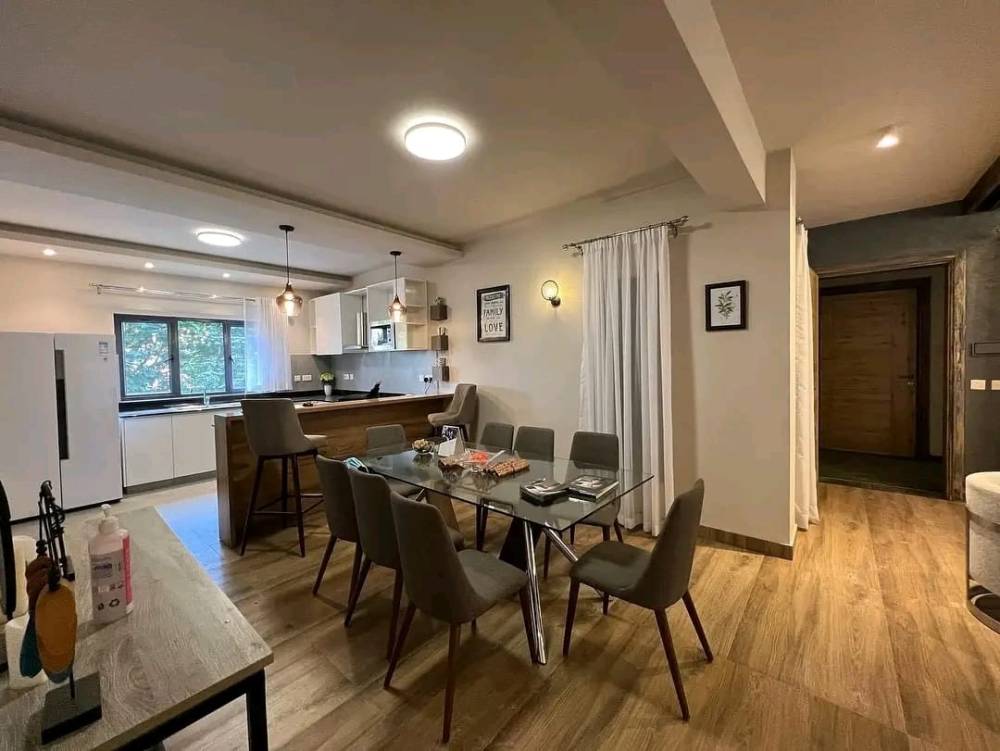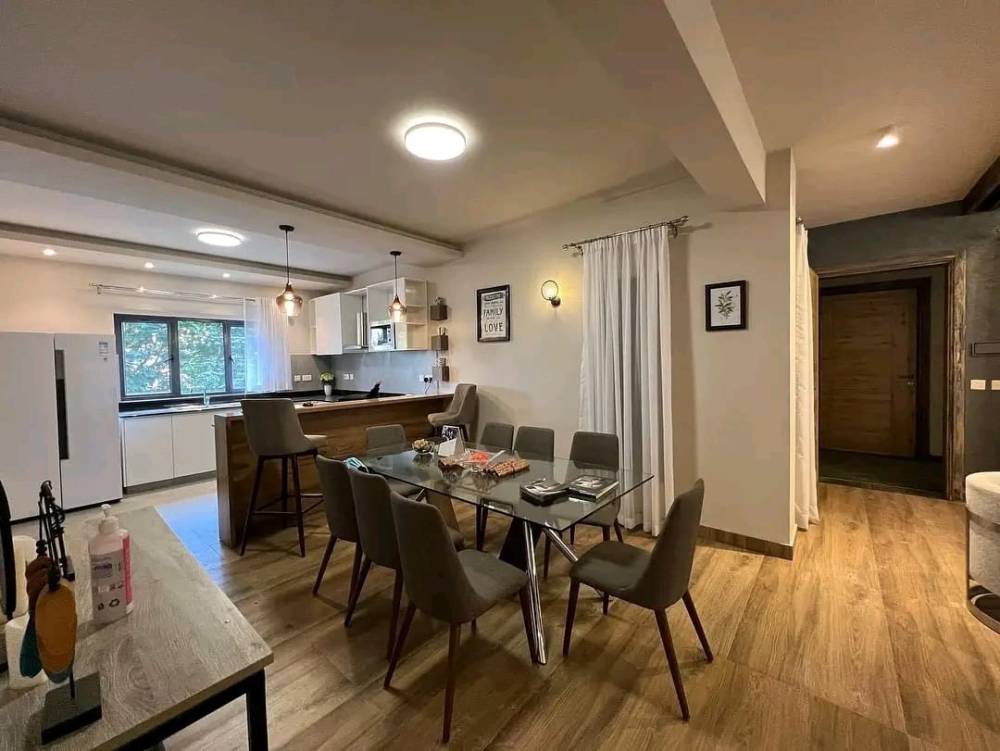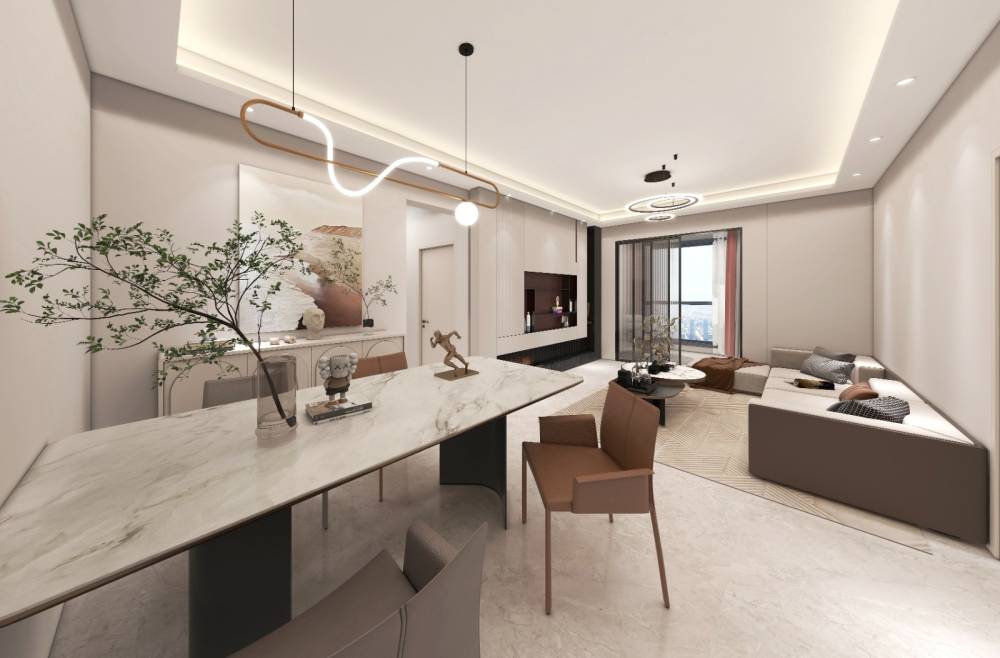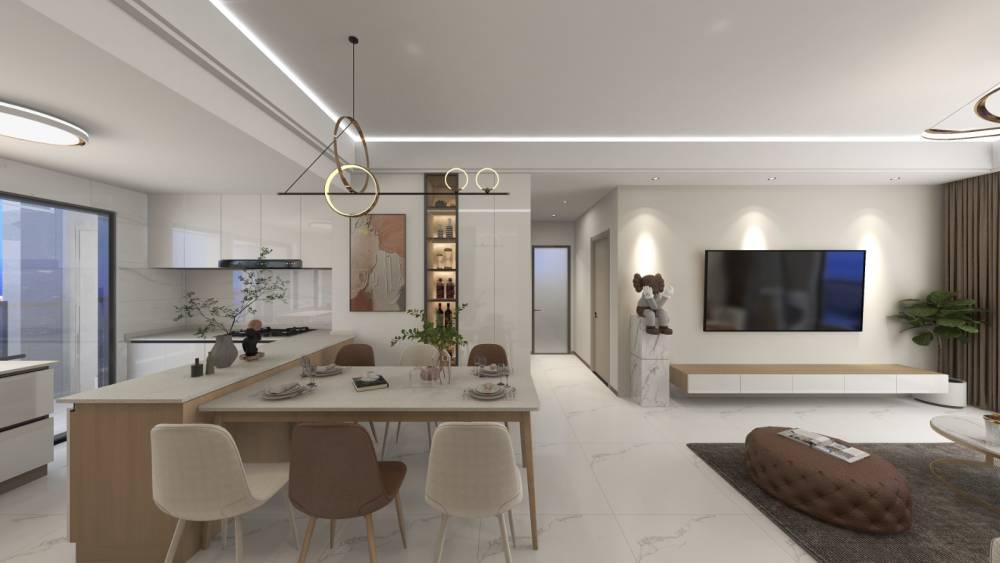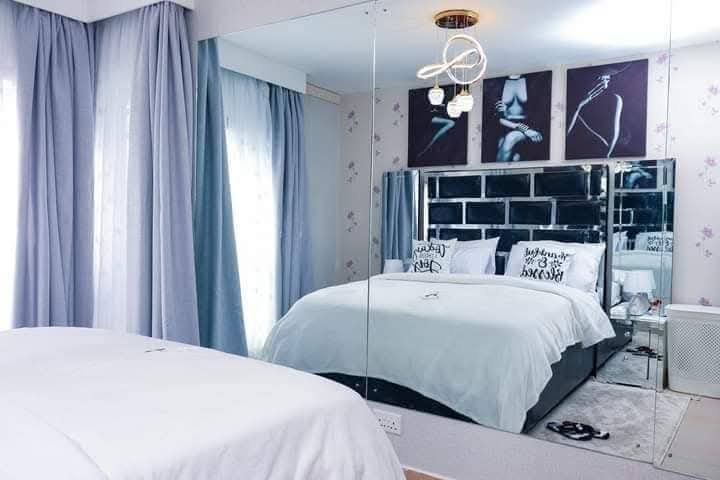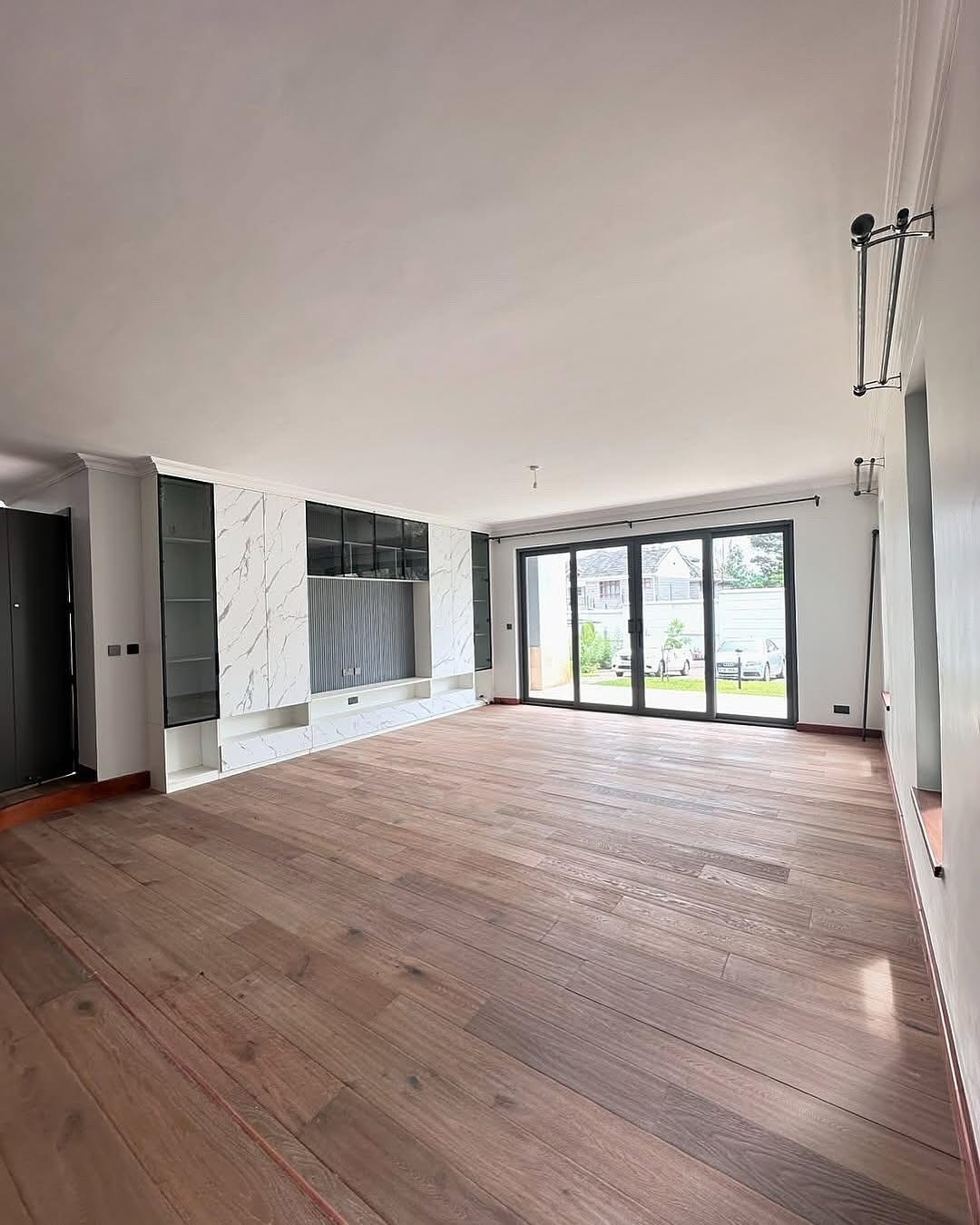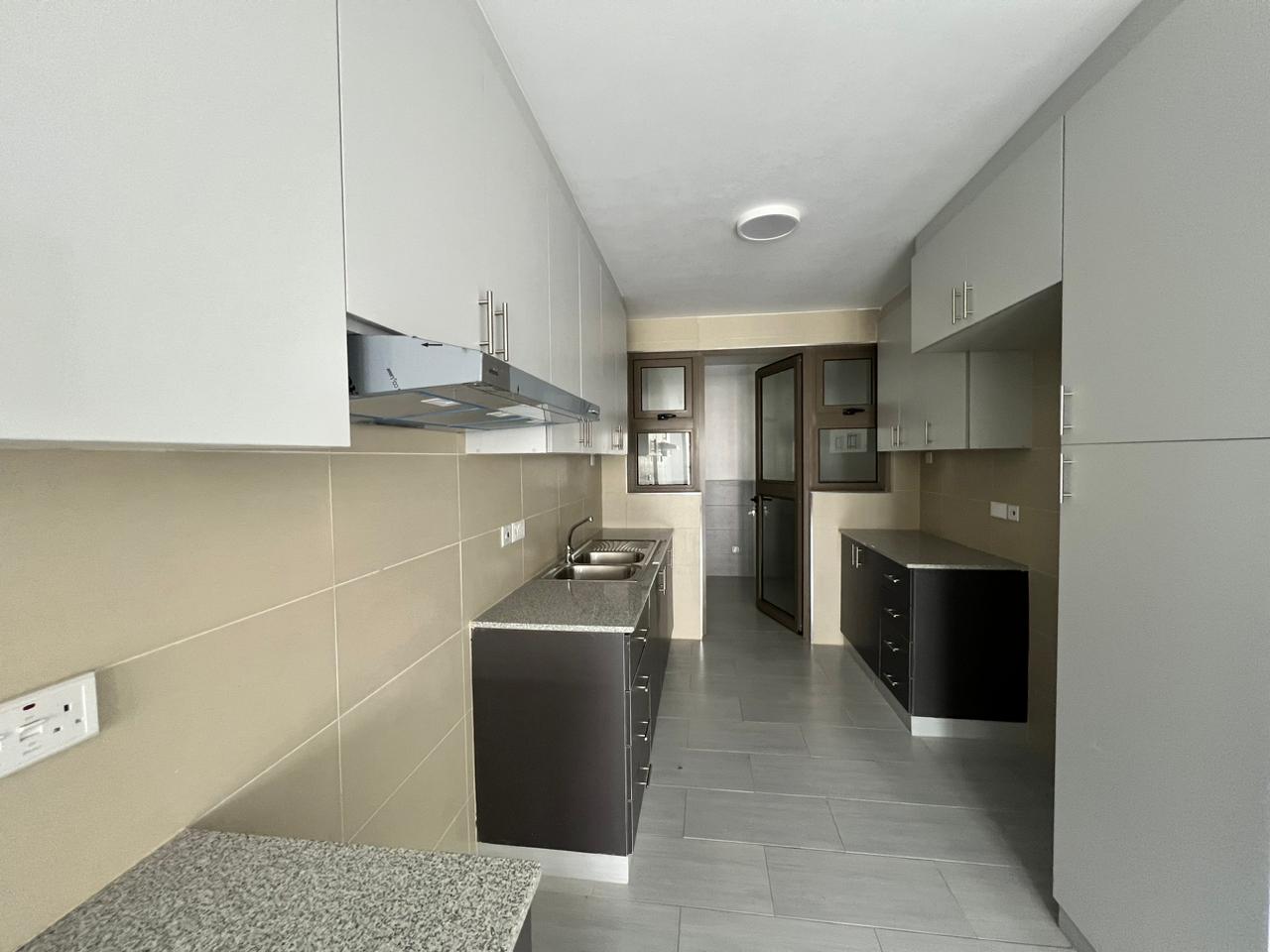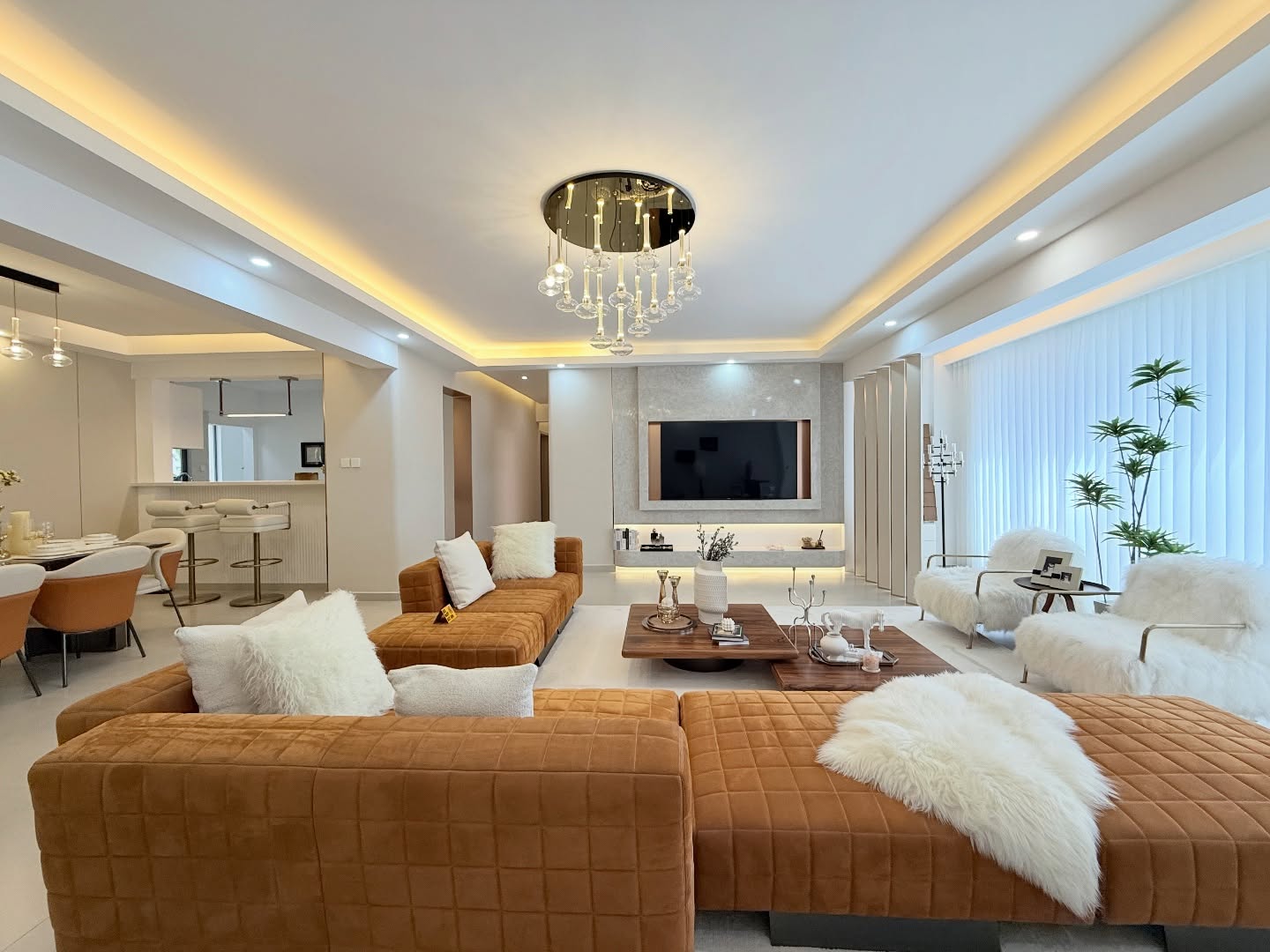
For decades, Lavington has functioned as the "Blue-Chip" bastion of Nairobi’s residential real estate. However, in 2026, the narrative has shifted from mere capital preservation to Strategic Zoning Arbitrage. As the Nairobi real estate market trends 2026 indicate a cooling in high-density high-rises (Kilimani/Kileleshwa), Lavington has become the primary target for "Infill Development"—where older 1-acre legacy homes are being re-engineered into ultra-premium, low-density townhouse clusters and boutique apartments.
For the institutional investor or the high-net-worth individual, houses for sale in Lavington are currently undervalued relative to their redevelopment potential under the revised 2026 Nairobi County Zoning Framework.
1. The "Zone 4" Transformation: From Legacy to Leverage
The most critical data point for 2026 is the Zone 4 and Zone 5 Reclassification. Historically restricted to single-family dwellings, large swathes of Lavington—specifically along James Gichuru Road and Gitanga Road—have transitioned into "Multi-Family Residential" status.
This is not a chaotic densification. Unlike the 20-floor caps recently debated in the Rhapta Road legal precedents, Lavington’s 2026 framework prioritizes "Managed Density," typically capping vertical growth at 5–8 floors. This restriction is the investor's best friend; it creates a "Scarcity Ceiling" that protects property values from the supply glut seen in neighboring nodes.
2. The Math of Arbitrage: Calculating Gross Development Value (GDV)
In 2026, profit is no longer found in land speculation but in Yield Engineering. The objective is to acquire high-value land with low-value improvements.
The Arbitrage Formula
To calculate the viability of a Lavington redevelopment play, we utilize the following logic:
Where:
-
N = Number of permitted units (e.g., 10 townhouses)
-
P = Projected sale price per unit (KES 65M+)
-
C = Construction and soft costs
-
L = Land acquisition cost (KES 160M - 220M)
The 2026 Reality: A single-unit legacy rental typically yields a stagnant 3.5%. By pivoting to a townhouse cluster, the GDV frequently hits the KES 520M - 780M range, representing a massive equity surge that outpaces inflation and currency devaluation.
3. 2026 Asset Performance: Strategic Grading
The Lavington market has bifurcated into two distinct winning categories for 2026. While the "apartment oversupply" narrative affects generic stock, Lavington’s boutique assets remain resilient.
Lavington Yield Matrix (Q1 2026 Data)
| Asset Type | 2026 Purchase Price | Avg. Rental Income | Net Annual Yield |
| Boutique 3-Bed Apartment | KES 22M - 28M | KES 150,000 | 6.5% - 7.5% |
| Gated Townhouse (5-Bed) | KES 58M - 75M | KES 350,000 | 5.8% - 6.2% |
| Serviced Studio (Off-plan) | KES 8.5M - 10M | KES 110,000 | 11% - 13% |
Analyst Insight: The standout performer for 2026 is the Serviced Boutique Studio. Professional expatriates and NGO consultants are migrating from the congested Kilimani hub to "Executive Pads" in Lavington, prioritizing proximity to Lavington Mall and Valley Arcade without the traffic gridlock.
4. Infrastructure & The "Walkability" Premium
Property value in Lavington is no longer just about the address; it is about Transit Velocity.
-
The Ring Road Expansion: The seamless link between Lavington and Westlands via the Ring Road Kilimani expansion has effectively merged these two markets, making Lavington a viable "Residential Wing" for the Westlands Financial Hub.
-
The Pedestrianization Dividend: Developments within 500 meters of Lavington Curve or The Jafferys Club are commanding a 12% rent premium. In 2026, the luxury tenant prioritizes the ability to walk to high-end amenities safely.
5. Compliance: ArdhiSasa & Sectional Titles 2026
If you are eyeing investment property for sale in Nairobi, your due diligence must be digital-first.
-
ArdhiSasa Verification: Every plot in Lavington must be verified against the National Land Information Management System. We have identified a 15% price discount on properties where owners failed to "regularize" titles—this is your entry point for negotiation.
-
Sectional Titles: For all new developments, ensure the developer has processed individual Sectional Titles under the Sectional Properties Act 2020. In 2026, banks are rejecting sub-lease structures, rendering them "illiquid assets."
6. Risk Mitigation: The Utility Sovereignty Standard
Lavington's primary risk in 2026 is Infrastructural Lag. High-density redevelopments are straining legacy sewer and water lines.
The Solution: Prioritize "Off-Grid" Resilience.
-
Reverse Osmosis (RO) Plants: Essential for buildings relying on borehole water to avoid high salinity.
-
Energy Resilience: Dedicated transformers and solar-hybrid systems are now the market standard. A building relying solely on municipal utilities in 2026 will see its vacancy rate double by 2028.
The Investor’s Verdict: Execution Strategy
Lavington is the Long-Term Wealth Compounder. For Passive Income: Target boutique 2-bedroom units near Gitanga Road.
-
For Aggressive Growth: Acquire legacy 0.75-acre plots in the Muthangari pocket for townhouse redevelopment.
I have identified three specific off-market plots in Lavington that have already received "Change of Use" approvals for townhouse clusters. These represent the highest-margin opportunities in the Nairobi market today.
Contact me for the "Lavington Zoning Alpha Report" and private acquisition details.
📞 0713595863 | 0722506632