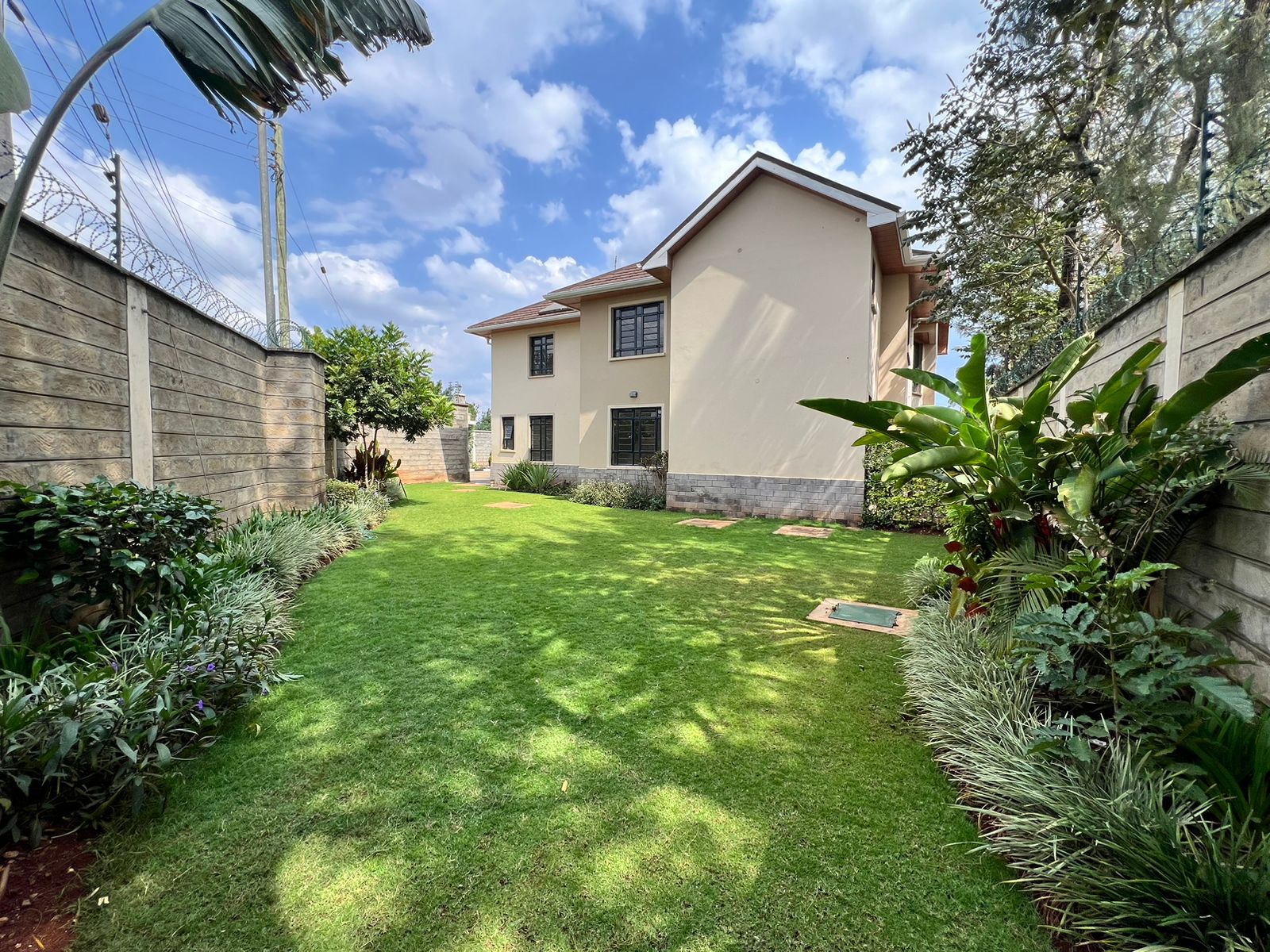
Land is one of the most valuable assets in Kenya, which makes it a prime target for fraud. Every year, buyers both local and in the diaspora lose millions to scammers selling land with fake or duplicate title deeds. Whether you’re buying a home, plot, or farmland, verifying the authenticity of the title deed should be your top priority before making any payment.This comprehensive guide explains how to identify genuine title deeds in Kenya, the verification process, red flags to watch out for, and how to carry out due diligence through the Ministry of Lands.
1. What Is a Title Deed in Kenya?
A title deed is a legal document that proves ownership of a piece of land or property. It includes crucial information such as:
-
Name of the registered owner
-
Land parcel number
-
Land size and location
-
Registration details
-
Encumbrances (e.g. loans, caveats, disputes)
Without a valid title deed, your legal ownership is not secure.
2. Common Types of Title Deeds in Kenya
-
Freehold Title Deed – Grants the owner full rights to the land with no time limit. Common in rural areas.
-
Leasehold Title Deed – Grants land rights for a fixed period (usually 99 years). Common in urban areas like Nairobi and Mombasa.
Knowing the type of title deed helps you understand what you’re legally entitled to.
3. Red Flags of Fake Title Deeds in Kenya
Before making a purchase, be cautious of the following warning signs:
-
Seller is reluctant to provide the original title deed
-
Title deed looks altered, has poor printing quality, or lacks a land reference number
-
The property has multiple “owners” or conflicting information
-
Pressure to make quick payments without verification
-
Inconsistencies in names, plot numbers, or locations
-
Seller claims the land is "unregistered" or "soon to be issued a title"
4. How to Verify a Title Deed in Kenya (Step-by-Step)
Step 1: Conduct an Official Land Search at the Ministry of Lands
-
Visit the nearest land registry office or use the eCitizen portal
-
Provide the land title number and fill out the land search form
-
Pay the applicable fee (Ksh 500 as of 2025)
-
Receive the official search report within 2–3 working days
The search results should show:
-
Registered owner's name
-
Status of land (e.g., freehold or leasehold)
-
Encumbrances or disputes
-
Land size and location
Step 2: Verify Seller's Identity
Ensure the seller’s ID matches the name on the title deed and search results. Request:
-
National ID or passport
-
KRA PIN
-
Certified copies of documents
If the land is owned by a company or a group, ask for:
-
Certificate of Incorporation
-
Board resolution authorizing the sale
-
Official company PIN
Step 3: Visit the Property Physically
Don’t rely on photos or video. Physically inspect the property to:
-
Confirm boundaries and location
-
Ensure no occupants or squatters
-
Check if it matches the registry details
Step 4: Involve a Licensed Advocate or Conveyancer
Always hire a registered real estate lawyer to:
-
Conduct due diligence
-
Draft and review the sale agreement
-
Oversee legal compliance during the transaction

5. Where to Conduct a Title Deed Search in Kenya
You can verify title deeds at:
-
Ministry of Lands offices (County Land Registries)
-
eCitizen platform (for selected counties)
-
ArdhiSasa Portal (for Nairobi and expanding regions)
6. How to Avoid Common Scams Related to Title Deeds
-
Avoid buying land through verbal agreements or from “brokers” without documentation
-
Avoid properties being sold under succession disputes or court injunctions
-
Never make full payment before verification is complete
-
Always request a search certificate from the Ministry of Lands
7. Legal Consequences of Owning a Fake Title Deed
If found in possession of a forged or invalid title deed, you risk:
-
Losing your land or money
-
Involvement in legal disputes
-
Criminal charges for possession of fraudulent documents
FAQs About Title Deed Verification in Kenya
Q1: How much does it cost to verify a title deed in Kenya?
A standard land search costs around Ksh 500 at the Ministry of Lands.
Q2: Can I verify a title deed online?
Yes, you can verify title deeds via the eCitizen platform or ArdhiSasa for supported regions.
Q3: How long does a land search take?
Typically 2–3 working days.
Q4: Can I verify a title deed from abroad?
Yes, you can appoint a trusted lawyer or agent in Kenya to conduct the search and send you the results electronically.
Q5: What is an encumbrance on a title deed?
An encumbrance is a legal claim like a loan, caveat, or court dispute that limits your rights to the land.
Conclusion
In Kenya’s fast-growing real estate market, due diligence is not optional it’s essential. With so many fraudulent transactions and forged title deeds circulating, verifying the authenticity of a title deed should be your number one priority before any purchase.Always perform a land search, inspect the property physically, verify the seller’s documents, and involve a qualified lawyer to guide you through the process. Protect your money. Secure your future. Own your property the right way.