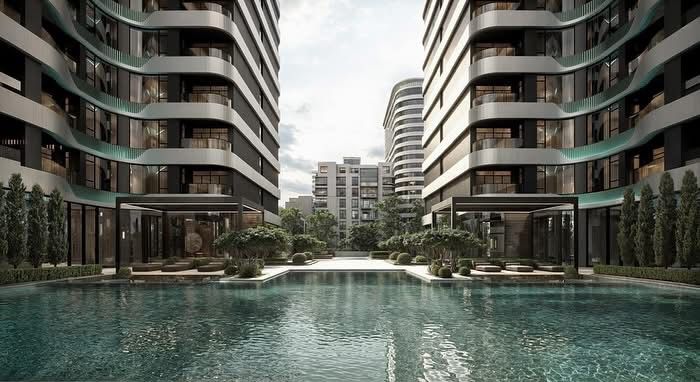
Westlands is one of Nairobi’s most active and visible neighborhoods. It combines business, entertainment, and residential living in a way few areas can. For some buyers, this energy is exactly the attraction. For others, it raises important questions around congestion, noise, and long-term comfort.
If you are considering living in Westlands, this guide breaks down the realities beyond marketing, so you can decide whether it aligns with your lifestyle, budget, and property goals.
Understanding Westlands as a Residential Market
Westlands has evolved from a purely commercial zone into a mixed-use neighborhood with strong residential demand. This shift has been driven by:
-
Corporate headquarters and multinational offices
-
High-end malls and lifestyle destinations
-
Proximity to CBD, Parklands, Riverside, and Lavington
-
Consistent demand from expatriates and professionals
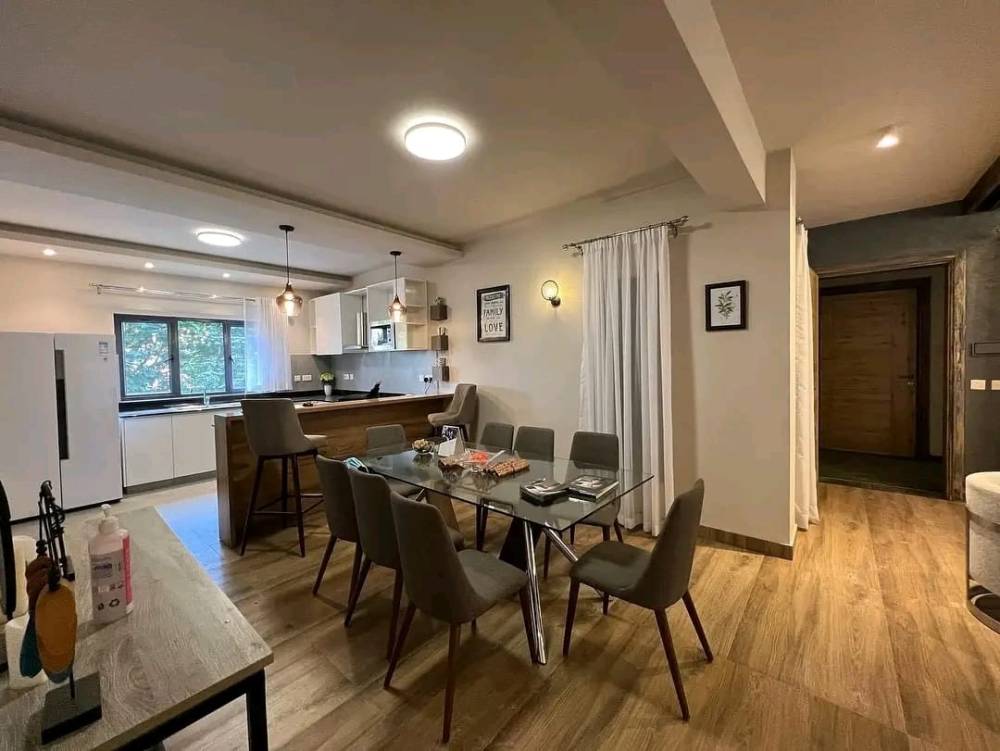
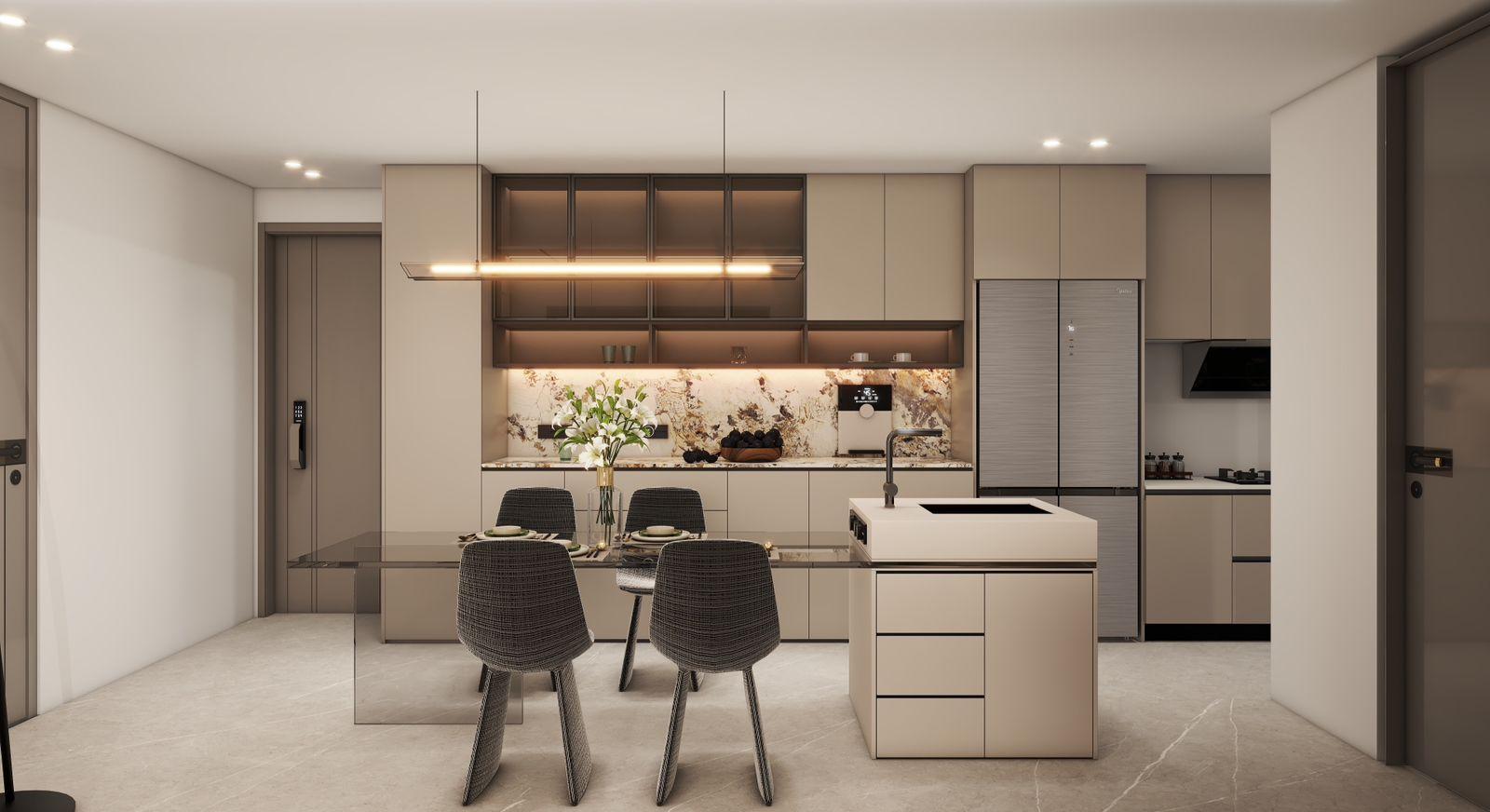
Residential options are primarily apartments, ranging from studios to high-end penthouses, with limited low-density housing.
The Lifestyle in Westlands: Fast-Paced and Highly Connected
Westlands offers a distinctly urban lifestyle built around accessibility and convenience.
Everyday Convenience
Residents enjoy close proximity to:
-
Major malls such as Sarit Centre and Westgate
-
Gyms, coworking spaces, and wellness centers
-
Restaurants, cafés, and supermarkets
-
Leading hospitals including Aga Khan and MP Shah
For professionals, this reduces daily travel time and supports a highly efficient routine.
Social and Entertainment Scene
Westlands is one of Nairobi’s leading dining and nightlife destinations. This suits:
-
Young professionals
-
Executives who entertain clients
-
Expatriates seeking an international environment
Buyers seeking quieter evenings often choose specific streets or developments designed to buffer sound and activity.
Work-Life Integration
Many residents live in Westlands to stay close to their offices. This is particularly attractive for:
-
Corporate executives
-
Consultants and entrepreneurs
-
Business owners with offices nearby
Traffic in Westlands: What to Expect Day-to-Day
Traffic is a defining factor when evaluating Westlands as a place to live.
Peak Hour Congestion
Congestion is common:
-
Weekday mornings and evenings
-
Weekends around malls and event venues
-
Along major roads such as Waiyaki Way and Ring Road Westlands
Managing the Trade-Off
Experienced residents manage traffic by:
-
Living close to their workplace
-
Choosing quieter internal roads
-
Prioritizing buildings with good access and parking
For buyers who work remotely or have flexible schedules, traffic becomes less disruptive.
Property Types and Housing Options in Westlands
Apartments in Westlands
Most residential stock consists of:
-
Studio and one-bedroom apartments (popular with investors)
-
Two- and three-bedroom apartments for owner-occupiers
-
Modern developments with shared amenities
Vertical living dominates due to limited land availability.
Luxury Apartments and Residences
High-end developments target:
-
Diplomats
-
Senior executives
-
Long-term expatriates
These emphasize lower density, privacy, sound insulation, and strong security.
Family-Oriented Options
Standalone homes are rare and expensive. Families typically opt for:
-
Larger apartment units
-
Quieter edges bordering Riverside or Lavington
Property Costs and Budget Expectations
Purchase Pricing Overview
-
Studios and one-bedroom units command premium pricing due to demand
-
Two-bedroom apartments vary widely by location and building quality
-
Three-bedroom and luxury units attract higher-end buyers
Prices are influenced by road access, proximity to malls, views, and construction standards.
Rental Market Performance
Westlands remains one of Nairobi’s strongest rental markets due to:
-
High professional and expatriate demand
-
Strong long-term rental stability
-
Premium short-term rental opportunities
Service charges tend to be higher due to amenities and building management standards.
Additional Cost Considerations
Buyers should assess:
-
Service charge levels
-
Parking allocation
-
Noise control and privacy
-
Traffic flow around the building
Who Should Consider Living in Westlands?
Westlands is well-suited for:
-
Professionals working nearby
-
Investors targeting consistent rental demand
-
Expatriates prioritizing convenience and lifestyle
-
Buyers comfortable with an active urban setting
It may not suit buyers who:
-
Prefer low-density neighborhoods
-
Have young children and need outdoor space
-
Want minimal exposure to traffic
Westlands Compared to Nearby Neighborhoods
| Area | Key Difference |
|---|---|
| Riverside | Quieter, lower density, residential focus |
| Lavington | Family-oriented, larger homes |
| Parklands | Proximity to hospitals and schools |
| Kilimani | Younger demographic, lifestyle-driven |
Understanding these differences helps buyers choose the right fit.
Long-Term Value and Market Outlook
Westlands continues to benefit from:
-
Commercial expansion
-
Infrastructure improvements
-
Ongoing mixed-use development
While price appreciation may be steady rather than speculative, demand remains resilient for well-located, well-managed properties.
Final Verdict: Is Westlands the Right Place for You?
Living in Westlands is about prioritizing access, connectivity, and urban convenience. For buyers who value proximity to work and lifestyle amenities and understand the trade-offs, it offers long-term value and strong market fundamentals.
The key is choosing the right micro-location and development to match your daily routine and long-term plans.
Thinking of Buying or Renting in Westlands?
Making the right decision in Westlands requires local market insight, not just listings.
For professional guidance and curated opportunities, contact
Ochieng Wycliffe
📞 0713595863 | 0722506632