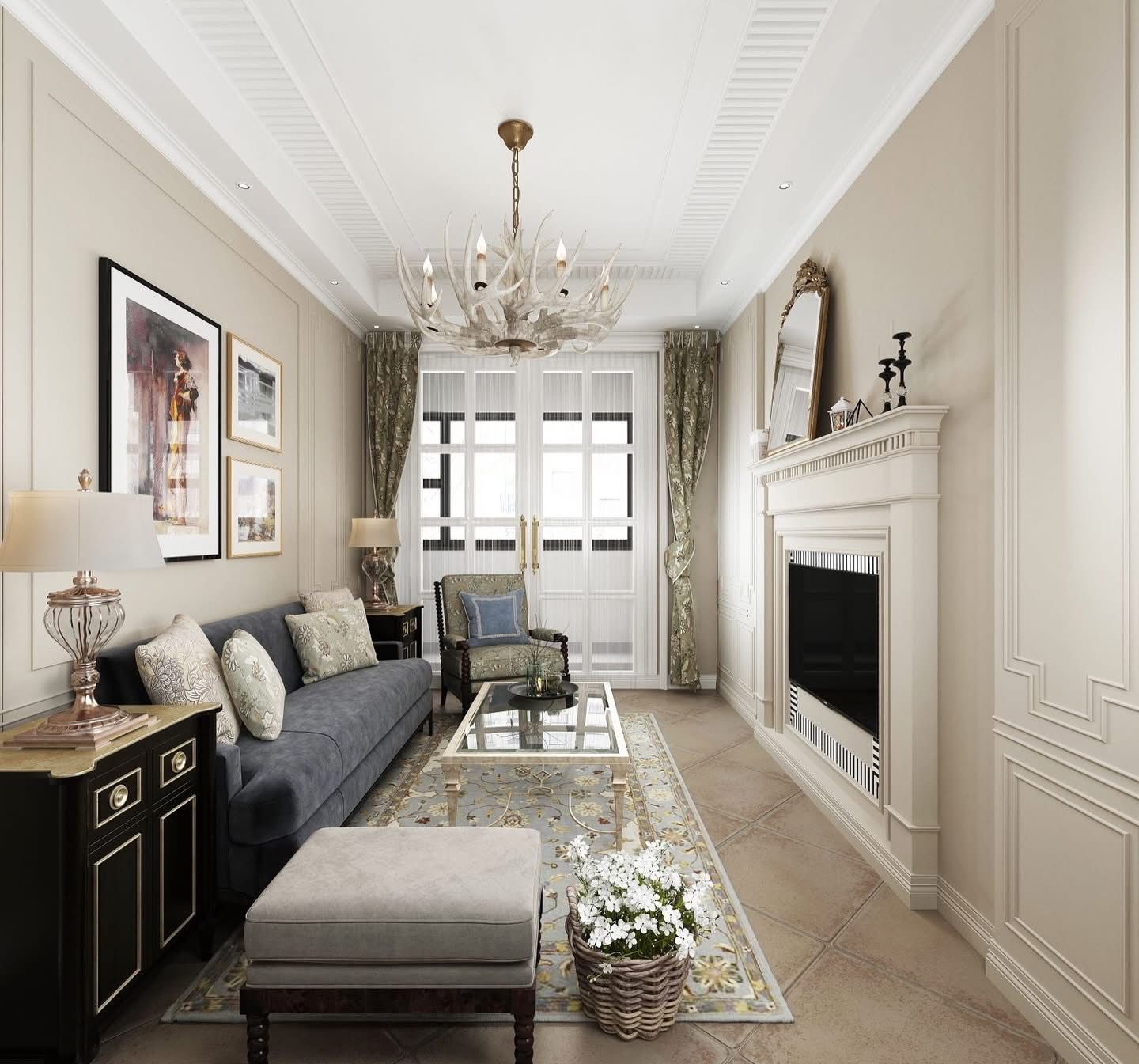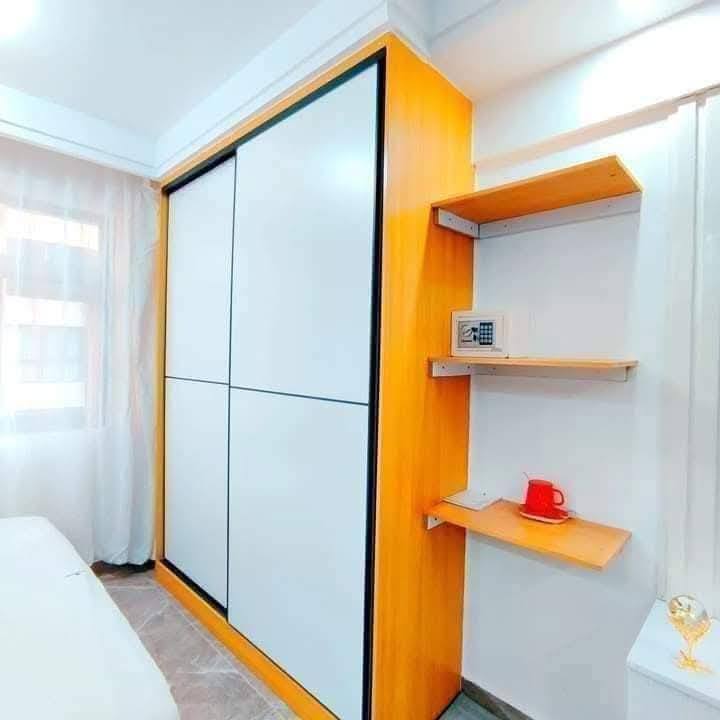
In 2024 and 2025, the phrase "Airbnb in Kilimani" became synonymous with market saturation. However, as we move into 2026, the data reveals a sophisticated bifurcation. The "hobbyist" investors—those who simply threw furniture into a standard apartment—are seeing occupancy rates tank to 35%. Meanwhile, professional hospitality assets in Kilimani are commanding 12% net yields and maintaining 75%+ occupancy.
In 2026, Kilimani isn't oversupplied; it is under-supplied with quality. The modern traveler—ranging from the West African tech founder to the UN consultant—is no longer looking for a "home away from home." They are looking for a service-integrated residence. If your Kilimani Investments doesn't offer a 24-hour concierge, high-speed mesh Wi-Fi, and utility sovereignty, you are essentially competing for the bottom of the market.
Is Kilimani still profitable for short-stay rentals in 2026?
Yes, but only for Tier-1 Managed Units. In 2026, the average Daily Rate (ADR) for a premium 1-bedroom in Kilimani has stabilized at KES 7,500 ($58), with top-performing units hitting KES 11,000 ($85). While the market median occupancy is 51%, professionally managed units via our services are achieving 78% occupancy by targeting the 1-to-3 month "Medium-Stay" corporate niche rather than volatile 2-night bookings.
1. The 2026 Revenue Ledger: Short-Stay vs. Long-Term
The smart money in 2026 uses a RevPAR (Revenue Per Available Room) metric to judge performance. Kilimani remains the most liquid rental market in Nairobi due to its sheer density of amenities.
| Unit Type | ADR (2026 Premium) | Monthly Gross (70% Occ.) | Net Annual Yield |
| Studio (Executive) | KES 6,500 | KES 136,500 | 11.8% |
| 1-Bedroom (Premium) | KES 8,500 | KES 178,500 | 12.4% |
| 2-Bedroom (Family/Group) | KES 12,500 | KES 262,500 | 10.2% |
| 3-Bedroom (Corporate) | KES 18,000 | KES 378,000 | 9.5% |
Note: Net Yield accounts for 20% management fees, 10% utility/service charge, and 5% maintenance reserve.
2. Strategic Moats: The 2026 Connectivity Premium
In 2026, Kilimani has effectively become the "Living Room" of the Nairobi Expressway.
-
The Museum Hill Interchange: For the diaspora investor the ease of guest arrival is a primary value driver. A guest landing at JKIA can be checking into their Kilimani suite in 18 minutes via the Expressway.
-
The Yaya-Adlife Corridor: This remains the highest-demand "Lifestyle Node." Properties within a 500-meter radius of Yaya Centre command a 15% price premium because guests value walkability over transport in 2026’s traffic climate.
-
The Health-Tech Hub: With the growth of medical tourism around The Nairobi Hospital and Argwings Kodhek clinics, short-stay demand for "Recovery Suites" has become a high-margin niche for 2026 investors.
3. The Infrastructure Moat: Utility Sovereignty
The single biggest reason for vacancy in 2026 is Utility Friction. In Kilimani, older buildings are struggling with water rationing and power fluctuations.
We prioritize developments that feature:
-
Dual-Source Water: Borehole plus high-capacity council storage.
-
Full-Load Generators: Units where the elevator, Wi-Fi, and shower heaters all work during a blackout.
-
ICT Backbone: Direct fiber-to-the-room (FTTR) is no longer an option; it is a baseline requirement for the 2026 "Digital Nomad" guest.
4. The "Honest" Section: Managing the Saturation Risk
We must be intellectually honest: Kilimani has a "Copy-Paste" problem. Many developers are building identical 2-bedroom blocks. To avoid the "Commodity Trap" in 2026, you must differentiate. We recommend the "Hotelization" Strategy:
-
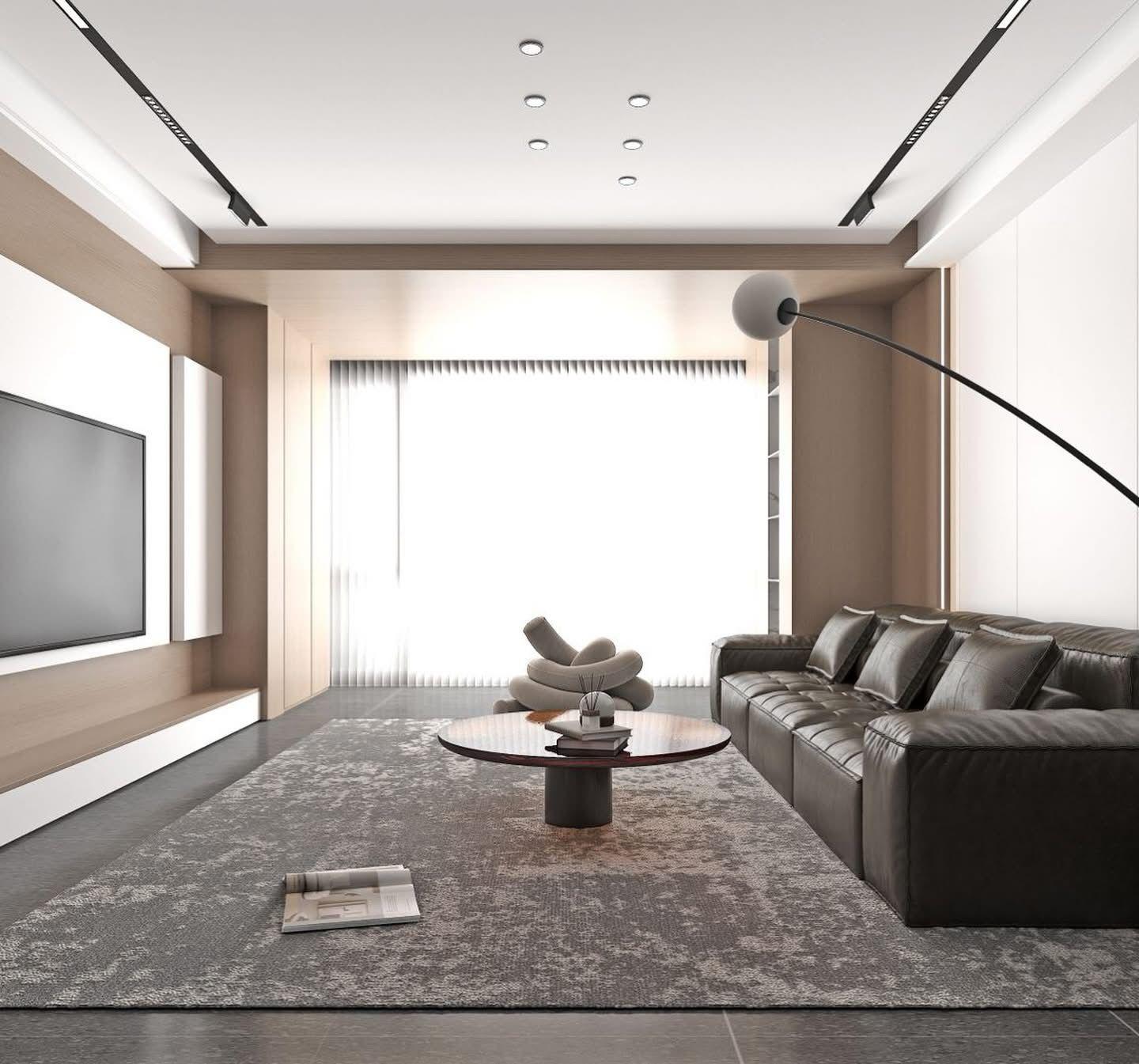
Design Intervention: Avoid generic "Nairobi Grey" tiles. Use high-tactility finishes and local art.
-
Amenity Stacking: Rooftop pools, co-working lounges, and "Instagrammable" lobbies are what drive the algorithms on booking platforms in 2026.
-
Management Over Maintenance: A standard caretaker is not enough. You need a hospitality manager who understands Dynamic Pricing Algorithms to maximize ADR during peak months like December and July.
5. 2026 Project Deep-Dive: Where to Buy Now
-
The Habitat Kilimani: A masterclass in mixed-use. The integration of retail on the ground floor ensures that guests never have to leave the building for basics, a key driver for 5-star reviews.
-
Crest Park Expansion: Targeted specifically at the "Executive Relocation" market, these units offer larger floor plans that allow for a home office—essential for the 2026 workforce.
-
Off-Plan Value: Buying into Kilimani's 2026 pipeline at KES 10.5M for a 2-bedroom (compared to Westlands yields which require KES 18M+) offers a faster path to break-even.
6. FAQs: Investing in Kilimani 2026
How do I handle the 12% withholding tax on short-stays?
In 2026, we advise our Diaspora clients to register their units as business entities. This allows you to deduct operational expenses (cleaning, management, utilities) before tax, significantly improving your net take-home compared to individual filing.
Which unit size has the best ROI in 2026?
The 1-bedroom apartment is the "Efficiency King." It has the lowest entry price and the highest occupancy rate (72% average) because it caters to the largest traveler demographic: solo business travelers and couples.
Is land fraud a risk in Kilimani?
While Kilimani is a mature market, always verify titles via the Ardhisasa platform. At www.ochiengwycliffe.com, we provide a full due-diligence report for every unit we represent to ensure 100% title security.
Reach Out and Let Ochieng Wycliffe Help You Secure Your 2026 Future in Kilimani
📞 0713595863 | 0722506632