Introduction: Buying High-Rise in Kilimani Is No Longer a Simple Decision
By 2026, Kilimani has completed its transformation from a serene residential suburb into Nairobi’s most dense vertical corridor. The skyline, once dominated by jacaranda trees and colonial-era bungalows, is now a canyon of 15-to-22-story towers. While this densification has provided a massive supply of houses for sale in Kilimani Nairobi, it has also introduced a level of complexity that the average buyer is ill-equipped to handle.
For investors, the 2026 market presents a paradox: high rental demand coexisting with high structural risk. The era of "buying on a brochure" is dead. In a landscape where developers are racing to maximize floor-area ratios (FAR), the quality of construction, legal compliance, and operational sustainability varies wildly from one block to the next.
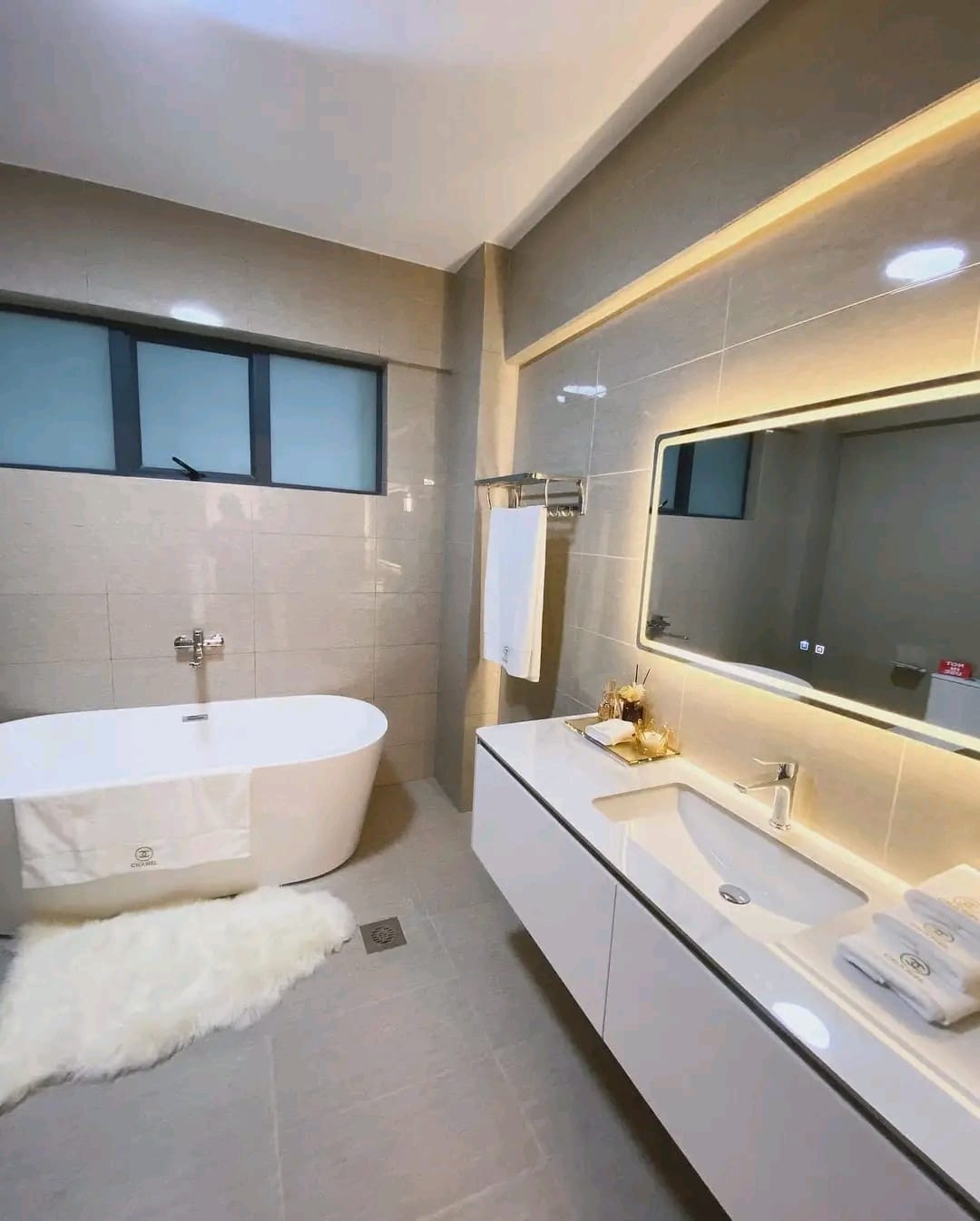
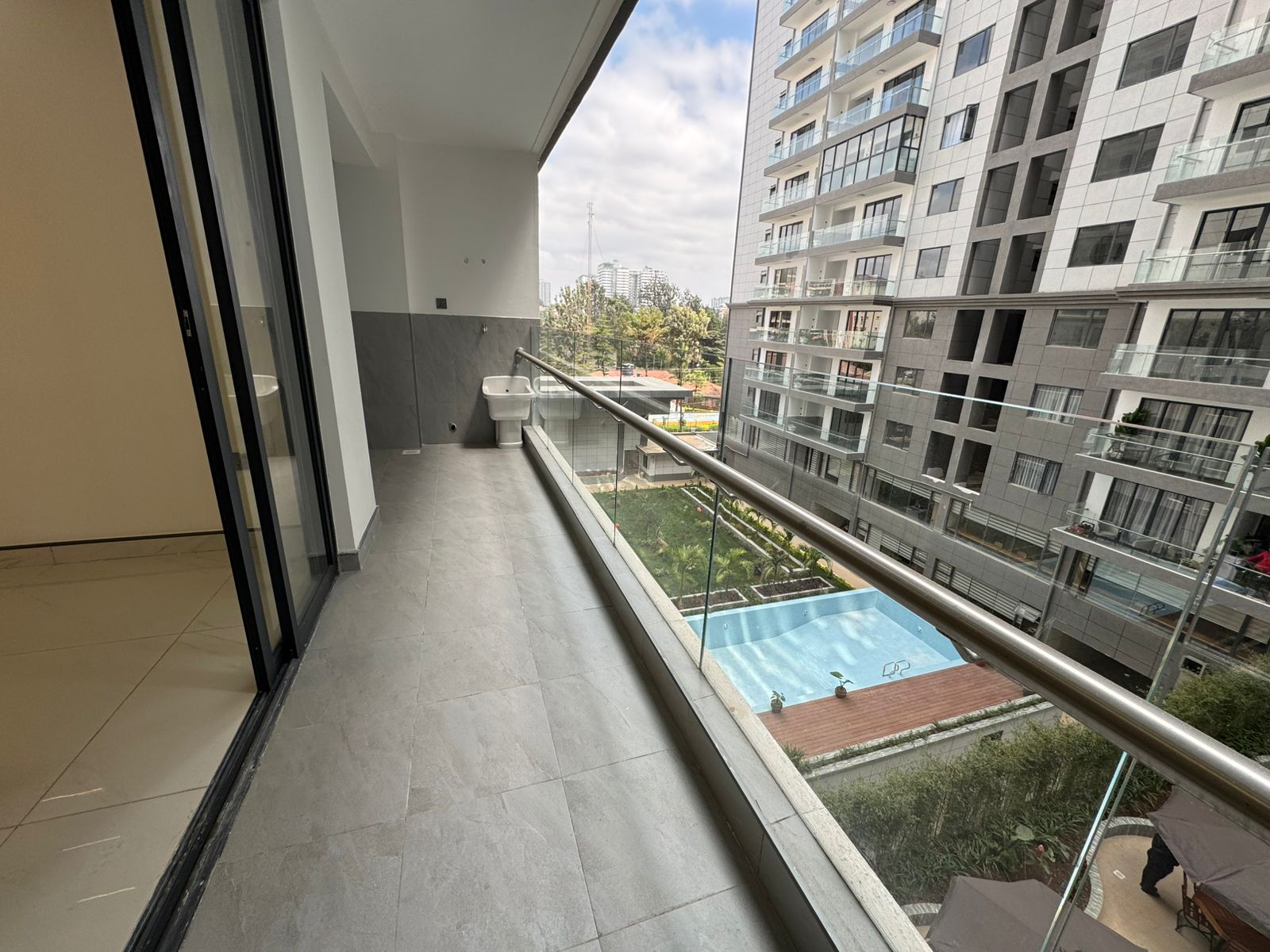
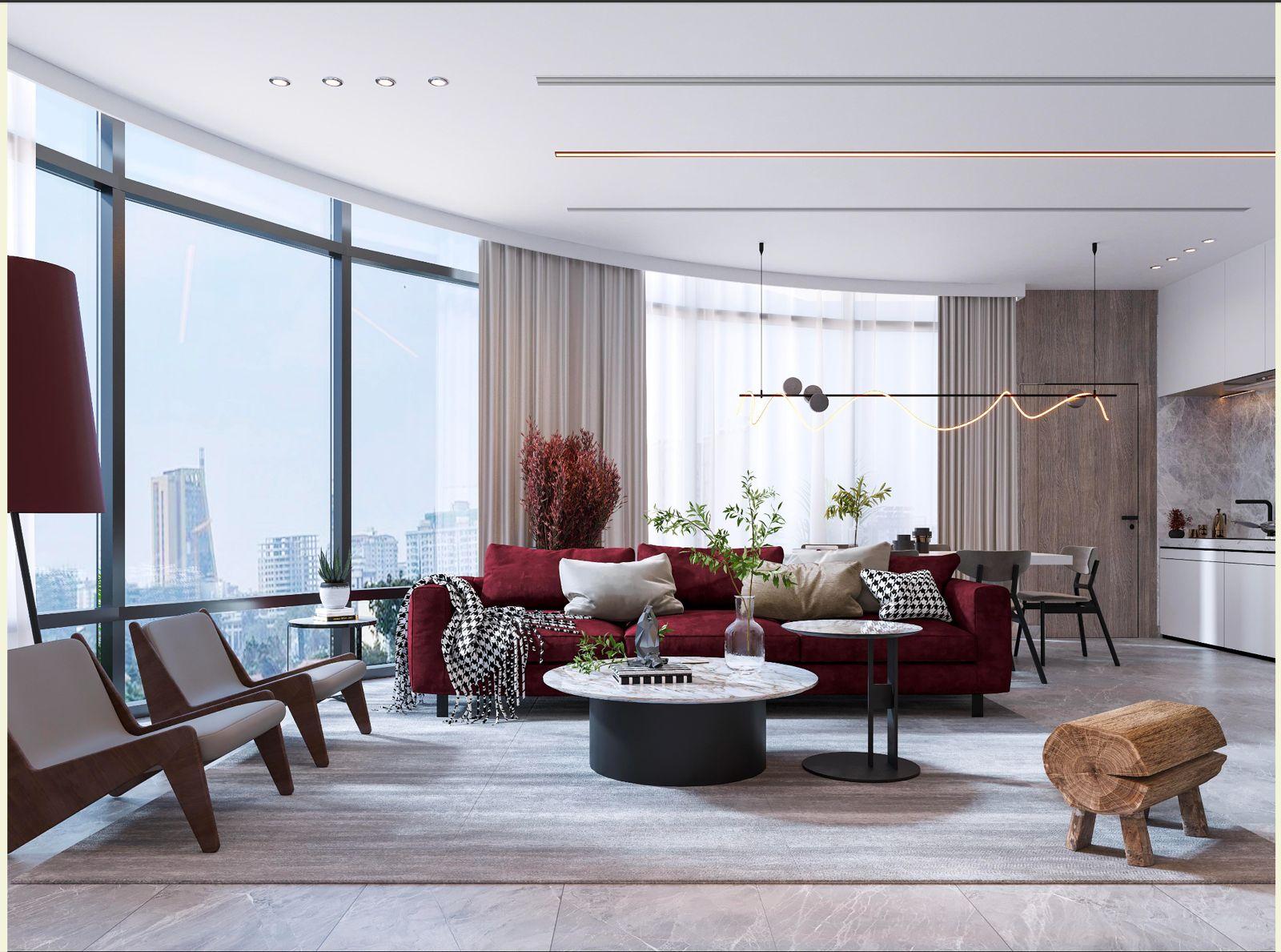
If you are looking for luxury apartments for sale in Kilimani Nairobi, you must understand that aesthetics are a commodity, but structural and legal integrity are rare. This guide is a senior analyst’s framework for filtering risk. We move past the granite countertops and infinity pools to inspect the "bones" of the investment—the elements that determine whether your asset appreciates over the next decade or becomes a maintenance-heavy liability.
This is the definitive 2026 buyer’s roadmap for navigating Kilimani’s vertical jungle.
1. Structural Integrity: The Foundation of Your Investment
Black Cotton Soil and Foundation Depth
Kilimani is notorious for its "Black Cotton Soil"—an expansive clay that shrinks and swells significantly with moisture changes. For a 20-story high-rise, the foundation is the single most expensive and critical component.
When inspecting best investment properties in Kilimani Kenya 2026, your first question shouldn't be about the rent; it should be: "Was this building piled, or is it on a raft foundation?"
-
Piling: Deep concrete pillars driven into the bedrock. This is the gold standard for high-rises in Kilimani.
-
Raft Foundations: Thicker slabs that "float" on the soil. While often used for mid-rises, they require meticulous soil stabilization that many 2026 developers shortcut to save costs.
Shear Walls and Column Consistency
In high-density vertical living, the structural load is immense. Walk through the basement and parking levels. Look for:
-
Column Alignment: Are the pillars massive and uniform?
-
Shear Walls: Reinforced concrete walls (usually around the lift core and corners) designed to resist lateral forces like wind and seismic activity.
-
Cracking Patterns: Ignore thin "hairline" plaster cracks. Look for diagonal cracks in beams or columns. If you see them in a building less than three years old, walk away.
2. The Vertical Velocity Calculus: Lifts and Accessibility
In 2026, vertical mobility is the "silent killer" of property value. A beautiful 18th-floor penthouse is a prison if the lifts don't work.
The Lift-to-Unit Ratio
Many Kilimani developments are over-densified, featuring 8 to 12 units per floor. If a building has 150 units served by only two lifts, the "vertical commute" during peak hours (7:00 AM – 9:00 AM) will lead to high tenant churn.
-
The Gold Standard: One lift for every 40–50 units.
-
Service Lifts: Does the building have a dedicated service elevator for moving furniture and waste? If not, the "luxury" passenger lifts will be battered and scratched within six months.
Brand and Maintenance Contracts
In 2026, Kenya faces intermittent supply chain issues for specialized spare parts. Inspect the brand of the lifts (e.g., Otis, Schindler, Kone, or Sigma). More importantly, ask for the Service Level Agreement (SLA). A high-rise without a 24/7 lift maintenance contract is a disaster waiting to happen.
3. Water Infrastructure: The Non-Negotiable Utility
Water is Kilimani's greatest operational challenge in 2026. The municipal supply is vastly insufficient for the new density.
Borehole Yield and Storage Capacity
Never buy an apartment in Kilimani that relies solely on Nairobi Water. You must verify:
-
Borehole Depth and Yield: Ask for the geologist's report. A low-yield borehole in a 100-unit block is a recipe for "water trucking," which will triple your service charge.
-
Reverse Osmosis (RO) Systems: Kilimani borehole water is often "hard" or high in fluoride. Check if the developer has installed a central RO plant to treat the water before it reaches your taps.
-
Storage Calculation: A standard high-rise should have at least 3 days of water storage (approx. 500–700 liters per unit per day).
Investors looking at apartments to rent in Nairobi know that nothing kills a rental listing faster than a "no water" review on social media.
4. Power Redundancy and Load Management
With the 2026 instability of the national grid, "backup power" has moved from a luxury to a baseline requirement.
Full vs. Partial Backup
Many developers claim "full backup," but in reality, the generator only powers the common areas and one light bulb in your living room.
-
The 2026 Requirement: Your inspection must confirm that the generator supports all heavy appliances—water heaters, ovens, and washing machines.
-
Automatic Changeover: Ensure the system switches within 10 seconds of a power cut. For diaspora buyers managing properties remotely, this reliability is essential for tenant retention.
5. The Legal Layer: Sectional Properties Act 2026 Compliance
As of 2026, the transition from the old sub-lease system to the Sectional Properties Act 2020 is mandatory. If you are researching how to buy property in Kenya, this is your most critical legal hurdle.
Ardhisasa Verification
Every unit in a Kilimani high-rise must now have its own unique title registered on the Ardhisasa digital platform.
-
Warning: Many older "off-plan" projects are still stuck on mother titles because the developer failed to pay land rates or comply with the new survey requirements.
-
The Risk: If the unit does not have a registered Sectional Title, you cannot use it as collateral for a bank loan, and you will find it nearly impossible to sell in the secondary market.
6. Parking, Ramps, and EV-Readiness
In the race to build more units, parking is often the first casualty of poor design.
The "Ramp Test"
Drive your car (or a standard SUV) into the basement.
-
Gradient: Are the ramps so steep that they scrape the undercarriage?
-
Turning Radius: Can two cars pass each other on the ramp?
-
Ratio: In 2026, a 2-bedroom or 3-bedroom unit without at least one dedicated parking slot (and 10% visitor parking) is a distressed asset.
EV Charging
By 2026, the adoption of electric vehicles in Nairobi has surged. Inspect the parking bays for conduit piping for EV chargers. Buildings that are "EV-ready" are already commanding a premium in the expat rental market.
7. Service Charge Sustainability and the "Sinking Fund"
A high-rise is an expensive machine to run. Low service charges are often a trap.
The Budget Audit
Ask to see the building’s annual budget. It should cover:
-
Security and cleaning.
-
Lift and generator maintenance.
-
Borehole pumping costs.
-
The Sinking Fund: This is a reserve fund for long-term expenses like repainting the building (every 5 years) or replacing lift motors. If the building has no sinking fund, you will be hit with a massive, unexpected "special assessment" fee in the future.
8. Fire Safety and High-Rise Compliance
Safety standards in Kilimani are often overlooked until it is too late.
Life Safety Systems
-
Pressurized Fire Escapes: In a fire, smoke shouldn't enter the stairwell.
-
Sprinkler Systems: Check for internal sprinklers and smoke detectors in every room.
-
Wet Risers: Ensure the fire hoses on every floor are connected to a pressurized water tank.
Buildings that take shortcuts on fire safety are becoming uninsurable in 2026.
9. Developer Track Record and 2026 Resilience
Not every developer who builds a 20-story tower is an engineer.
The "5-Year Walk-Through"
Before buying an off-plan or new-build project, visit a project the developer completed five years ago.
-
Is the paint peeling?
-
Are the tiles cracking?
-
Is the management company still active?
-
Best real estate agents in Kenya will tell you that a developer's reputation is their only real warranty.
10. Rental Reality vs. Marketing Projections
If you are buying for investment, ignore the "12% ROI" promises in the brochure.
The Kilimani Yield Compression
With the 2026 oversupply of affordable homes in Kilimani Nairobi, yields have compressed.
-
Realistic 2026 Yields: 6.5% – 8.5% for unfurnished units.
-
The Airbnb Factor: While Kilimani remains the Airbnb capital of Nairobi, saturation means you must have a "top 5%" property to maintain high occupancy. This requires superior design, high-speed internet (fiber to the home), and impeccable security.
Conclusion: Kilimani Rewards the Disciplined
Kilimani remains one of the most vibrant and liquid real estate markets in East Africa. However, the high-rise era has raised the stakes. The difference between a "trophy asset" and a "money pit" lies in the technical details.
If you are looking at land for sale Kenya or pre-built towers, prioritize structural integrity over marble floors. In 2026, a "luxury" apartment is defined by its ability to function—to provide water, power, and security—without fail.
If you are considering buying a high-rise apartment in Kilimani, professional inspection and advisory can protect you from costly long-term mistakes.
Speak with a Nairobi property advisor for a Kilimani apartment due diligence and buyer advisory session:
📞 0713595863 | 0722506632