Leadership Begins with Self-Leadership
Many people aspire to become great leaders. They dream of leading organizations, building successful businesses, influencing communities, or inspiring future generations. Yet one truth remains constant across every field: before you can lead others effectively, you must first learn to lead yourself.
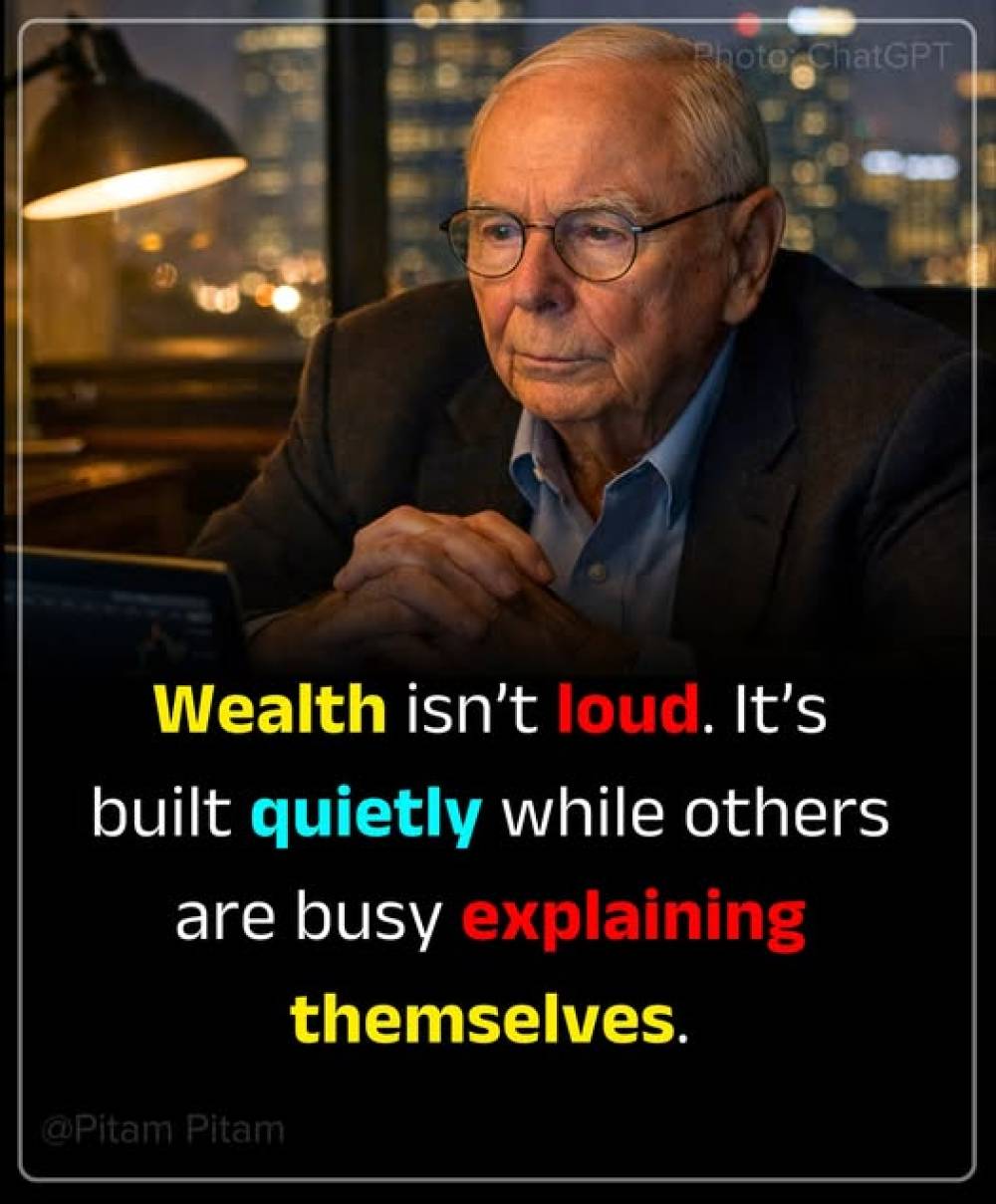
Self-leadership is the invisible foundation upon which every great leader is built. It is the daily commitment to discipline, responsibility, integrity, and continuous improvement—even when no one is watching.
Titles may grant authority, but character earns respect.
Leadership Is More Than a Position
Leadership is often misunderstood as a position or title. Becoming a manager, director, CEO, or team leader does not automatically make someone an effective leader.
Real leadership is influence.
People are inspired less by what leaders say and more by how they consistently live. Every decision, habit, and response sends a message. The example you set often teaches more than the words you speak.
The most respected leaders understand that influence begins long before they stand in front of a team. It begins in private moments when they choose discipline over excuses, preparation over procrastination, and responsibility over blame.
Self-Leadership Means Taking Responsibility
One of the defining characteristics of self-leadership is personal responsibility.
Instead of blaming circumstances, difficult markets, limited resources, or other people, self-leaders ask a different question:
"What can I do with what I have today?"
This mindset creates growth because it shifts focus from problems to solutions.
Every successful person has faced setbacks. What separates them is not the absence of challenges but the willingness to take ownership of their response.
Responsibility is empowering because it reminds us that while we cannot control everything around us, we can always control our attitude, effort, and choices.
Discipline Is the Bridge Between Vision and Results
Every worthwhile goal demands consistency.
Dreams without discipline remain wishes.
Whether building a business, pursuing financial freedom, improving health, or strengthening relationships, lasting success comes from repeated daily actions rather than occasional bursts of motivation.
Motivation is temporary.
Discipline creates momentum.
The people we admire most are rarely those who waited until they "felt inspired." They are those who continued showing up long after excitement faded.
Character Is Built in Private
One of the greatest tests of leadership happens when no one is watching.
Integrity means doing the right thing even when recognition is absent.
The habits developed in private eventually become visible in public.
People often admire confidence, communication skills, or professional success, but these qualities usually rest upon years of unseen commitment, sacrifice, and personal discipline.
Strong leaders understand that public victories are often the result of private consistency.
Emotional Intelligence Shapes Great Leaders
Leadership is not only about making decisions; it is also about managing emotions.
Self-leaders develop the ability to remain calm under pressure, respond thoughtfully rather than react emotionally, and maintain perspective during uncertainty.
They understand that emotions influence decisions, relationships, and organizational culture.
Emotional maturity creates stability, and stability builds trust.
Teams naturally follow leaders who demonstrate composure during difficult moments.
Continuous Learning Is a Leadership Responsibility
The world changes rapidly.
Industries evolve.
Technology advances.
Customer expectations shift.
Leaders who stop learning eventually stop growing.
Self-leadership requires humility—the willingness to admit there is always more to learn.
Reading books, seeking mentors, attending seminars, asking thoughtful questions, and remaining curious are habits that keep leaders relevant.
Growth should never become optional.
Your Habits Become Your Leadership Style
Leadership is not built in extraordinary moments.
It is built through ordinary routines repeated consistently.
Small daily decisions determine future outcomes.
Choosing punctuality.
Keeping promises.
Preparing thoroughly.
Listening carefully.
Communicating honestly.
Respecting others.
Managing time wisely.
These seemingly small habits gradually shape reputation and influence.
Eventually, people begin trusting not just your words but your consistency.
Leadership Begins at Home
The principles of self-leadership extend beyond business.
Leadership first appears in how we treat family, manage finances, honor commitments, and serve our communities.
Professional success without personal integrity creates an unstable foundation.
The strongest leaders strive for consistency across every area of life.
Their public image reflects their private values.
The Ripple Effect of Self-Leadership
When individuals choose self-leadership, the benefits extend far beyond themselves.
Families become stronger.
Businesses become healthier.
Communities become more trustworthy.
Organizations become more productive.
Every great movement in history began with individuals who first mastered themselves before attempting to influence others.
Self-leadership creates a ripple effect that reaches people we may never even meet.
Final Thoughts
Leadership is not something that begins the day people start following you.
It begins the day you decide to become accountable for your own growth.
Every meaningful achievement starts with one person choosing discipline over comfort, responsibility over excuses, and integrity over convenience.
The greatest leaders are not simply those who inspire others.
They are those who continually inspire themselves to become better than they were yesterday.
Lead yourself well, and your example will naturally become a light that others choose to follow.
"Whoever rules his spirit is better than one who takes a city." — Proverbs 16:32
Author: Ochieng Wycliffe
At Ochieng Wycliffe, we believe that true success is built on character, wisdom, discipline, and long-term thinking. Our mission is to inspire individuals to make better decisions in business, leadership, wealth creation, and life—because every lasting legacy begins with the person you choose to become today.
Frequently Asked Questions (FAQs)
What is self-leadership?
Self-leadership is the ability to manage your thoughts, emotions, habits, and actions in a way that consistently aligns with your goals and values.
Why is self-leadership important?
It builds discipline, accountability, emotional intelligence, and integrity—the qualities that form the foundation of effective leadership.
Can anyone develop self-leadership?
Yes. Self-leadership is not an inborn trait but a skill developed through consistent practice, reflection, and intentional habits.
How does self-leadership affect business success?
Business success depends heavily on decision-making, consistency, communication, and resilience. Self-leadership strengthens each of these areas, making individuals more effective professionals and entrepreneurs.
What is the first step toward becoming a better leader?
The first step is taking personal responsibility for your growth, choices, and daily habits. Great leadership always begins within.