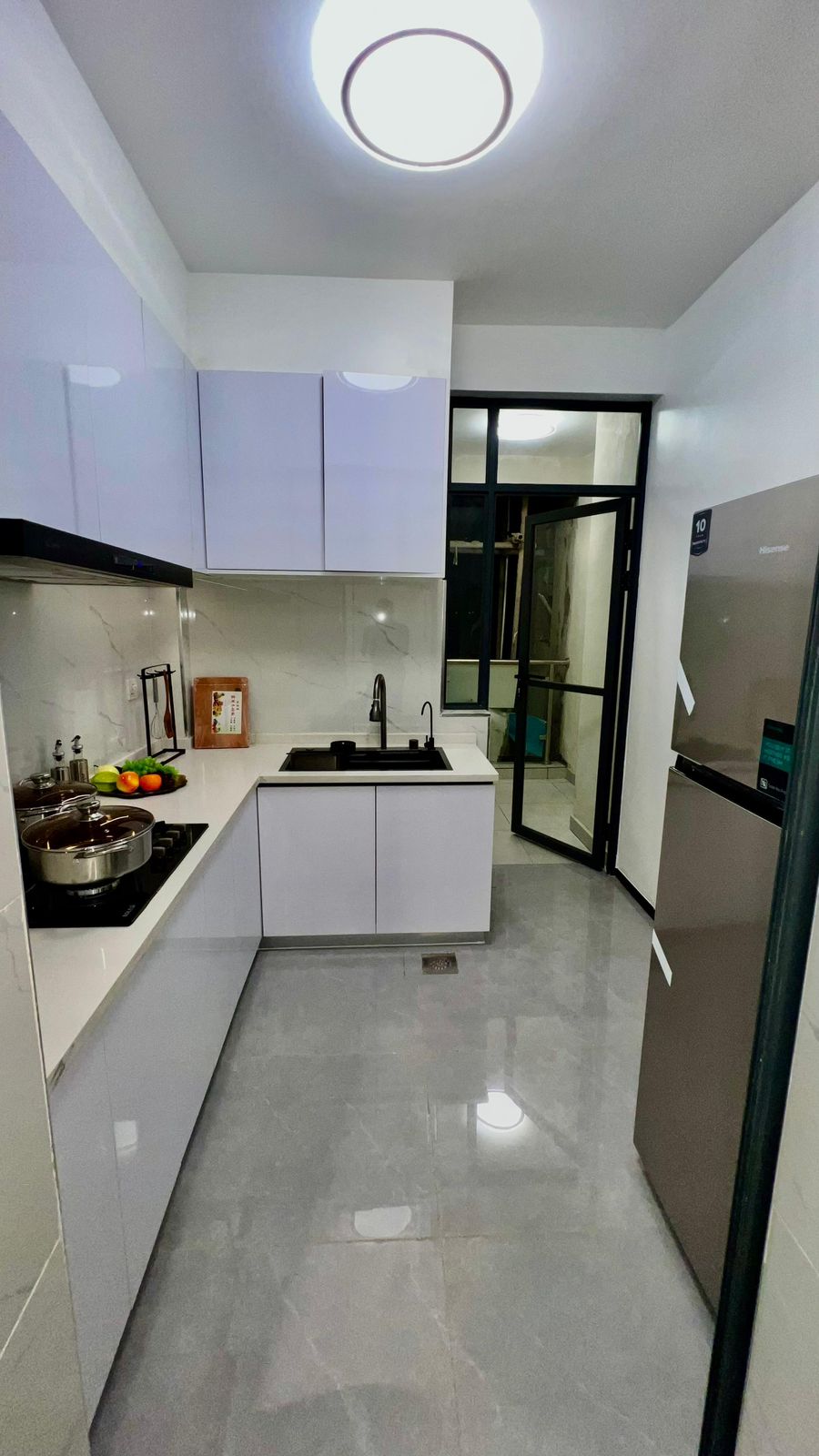
Two cities. Two very different philosophies of real estate.
In Nairobi, opportunity is expanding, flexible, and still finding its full structure. In Singapore, the market is precise, regulated, and engineered for long-term stability.
Yet both markets reward those who understand them deeply.
For agents and investors focused on Kilimani, Kileleshwa, Lavington, and Westlands, there is a lot to learn from how Singapore has built one of the most efficient real estate systems in the world.
Market Structure: Growth vs Control
Kenya’s real estate market thrives on growth and demand. Areas like Kilimani and Kileleshwa have seen rapid apartment development driven by urbanization and rising middle-class demand.
Lavington and Westlands, on the other hand, combine both residential and commercial appeal, attracting investors looking for rental income and long-term appreciation.
In contrast, Singapore operates under strict government control. Land supply is limited, and every development is carefully planned.
The result is a market where:
- Price fluctuations are controlled
- Developments follow long-term urban planning
- Speculation is heavily regulated
Kenya offers flexibility and higher growth potential. Singapore offers stability and predictability.
Property Pricing and Accessibility
In Nairobi, entry into the market is still relatively accessible.
Apartments in Kilimani and Kileleshwa attract both local and diaspora investors due to moderate pricing and strong rental demand. Lavington offers premium housing, while Westlands provides a mix of commercial and high-end residential opportunities.
Singapore, however, ranks among the most expensive real estate markets globally. High property prices and strict financing rules make entry difficult, especially for foreign investors.
This creates a key distinction:
- Kenya is accessible but less regulated
- Singapore is expensive but highly structured
Rental Yields and Investment Returns
Nairobi’s key areas offer attractive rental yields, particularly in Kilimani and Kileleshwa where demand for apartments remains high.
Westlands stands out for both residential and commercial returns, while Lavington appeals more to long-term family living and premium tenants.
Singapore, while stable, often delivers lower rental yields due to high property prices. Investors rely more on capital preservation than aggressive returns.
For agents, this means:
- Kenya is ideal for yield-focused investors
- Singapore attracts wealth preservation investors
Legal and Ownership Framework
Kenya’s legal framework is improving, but still requires careful due diligence. Title verification, developer credibility, and legal processes must be handled professionally to avoid risk.
Singapore’s system is one of the most transparent in the world. Property ownership is clear, processes are efficient, and regulations protect both buyers and the market.
This is where Kenya presents both a challenge and an opportunity:
- Agents who understand legal processes gain client trust quickly
- Proper guidance becomes a key selling point
Infrastructure and Urban Planning
Singapore is globally recognized for its world-class infrastructure and planning. Transport systems, zoning, and amenities are integrated into every development decision.
Nairobi is rapidly improving, with major infrastructure developments shaping areas like Westlands and Kilimani.
However, planning inconsistencies still exist, creating both opportunities and inefficiencies.
For a smart investor:
- Singapore offers certainty
- Nairobi offers growth potential
The Role of the Real Estate Agent
In Singapore, agents operate in a highly regulated environment with structured processes and strict compliance.
In Kenya, the role of an agent goes beyond transactions.
A strong agent must:
- Educate clients
- Guide investment decisions
- Verify properties
- Build trust in an evolving market
This creates a powerful opportunity for agents willing to operate at a higher standard.
Why Kilimani, Kileleshwa, Lavington, and Westlands Still Stand Out
Despite global comparisons, Nairobi’s prime areas remain highly attractive.
Kilimani and Kileleshwa continue to dominate the apartment market with strong rental demand.
Lavington offers exclusivity, space, and a premium lifestyle.
Westlands stands as a commercial and residential powerhouse, attracting both businesses and high-income residents.
These areas represent the future of urban living in Nairobi.
Frequently Asked Questions
Is Kenya a better investment than Singapore?
It depends on your goals. Kenya offers higher returns and growth potential, while Singapore provides stability and lower risk.
Which areas in Nairobi are best for investment?
Kilimani, Kileleshwa, Westlands, and Lavington remain top choices due to demand, infrastructure, and long-term value.
Is it safe to invest in Kenya real estate?
Yes, with proper due diligence and the right professional guidance.
Conclusion
Real estate is not just about location, it is about understanding the system behind the market.
Singapore shows what happens when structure leads.
Kenya shows what happens when opportunity expands.
For agents and investors, the winning strategy is simple:
Learn from structured markets, and apply that discipline in high-growth environments like Nairobi.
That is where true opportunity lies.