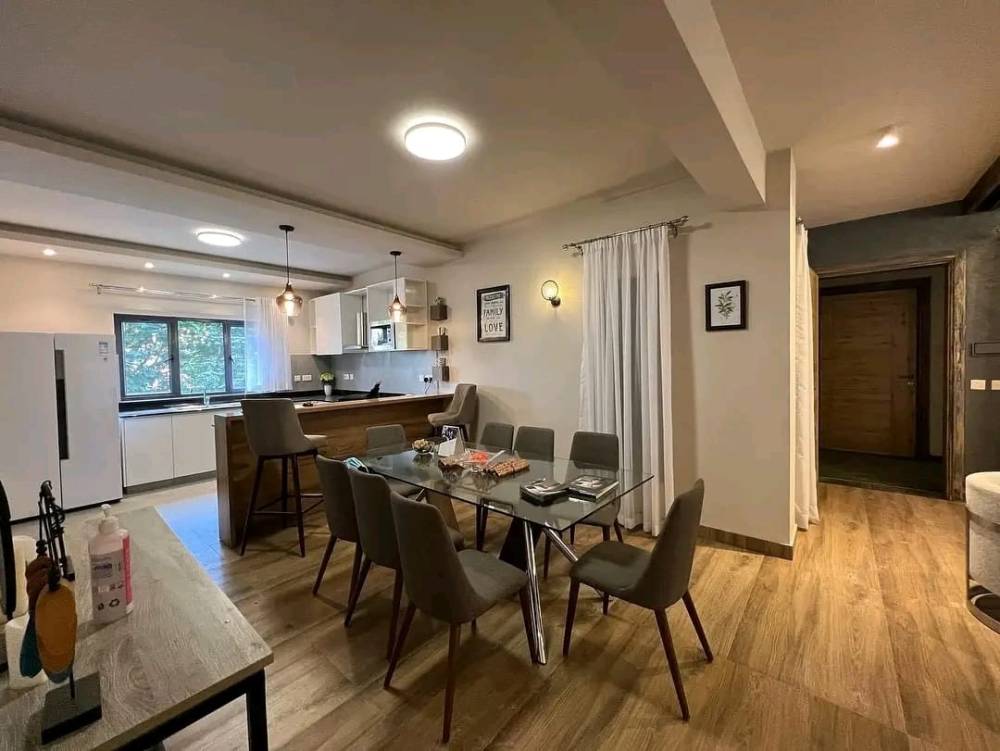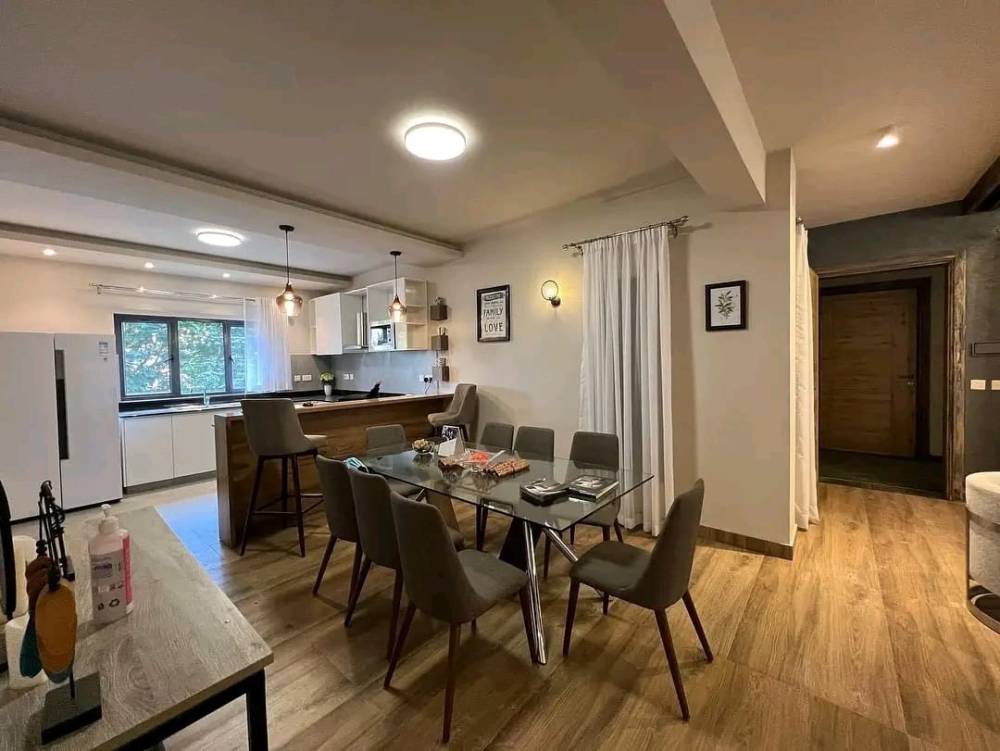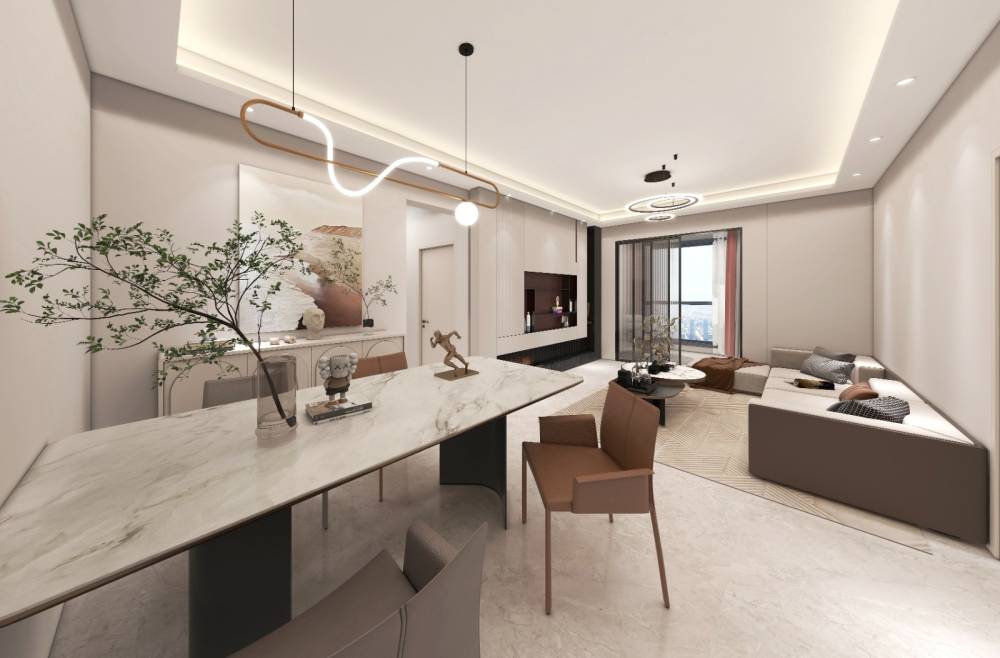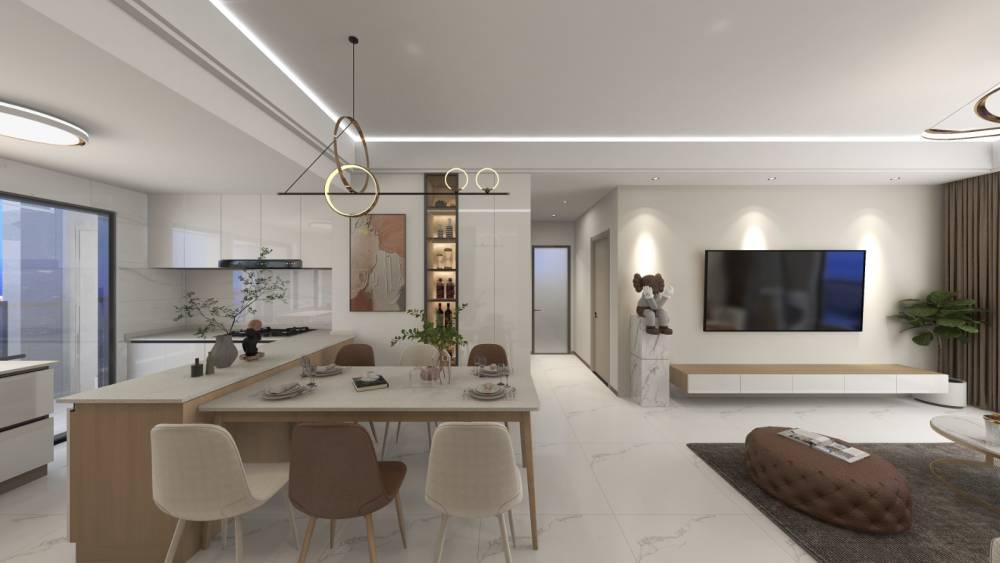
Kilimani remains the most scrutinized square kilometer in Nairobi. For the high-intent buyer and the mobile professional alike, the central question has shifted from "Where should I live?" to "How should I hold this asset?" The choice between apartments to rent in Kilimani and apartments for sale in Kilimani is no longer a matter of lifestyle—it is a sophisticated financial calculation involving opportunity cost, liquidity, and the velocity of capital.
There's a paradigm shift in how capital is deployed in this node. In 2026, the "Rent vs. Buy" debate is governed by a compressed yield environment and a surge in diaspora-led demand. To decide which path is right for you, we must look past the marketing brochures and into the raw data of the Nairobi property market.

The Financial Anatomy of Renting in 2026
Renting in Kilimani has traditionally been viewed as a flexible "stop-gap" for young professionals. However, in 2026, the "Cost of Flexibility" is at an all-time high. With the average apartments to rent in Kilimani seeing annual escalations of 5% to 8%, rent is increasingly becoming a significant leak in a professional’s wealth-building strategy.
If you are paying KSh 120,000 per month for a premium 2-bedroom unit, your annual "sunk cost" is KSh 1.44 million. Over a five-year horizon, assuming a standard 5% annual increase, you will have transferred over KSh 8 million to a landlord. In the 2026 context, this amount represents nearly 60% of the purchase price for a high-quality 2 bedroom apartment Kilimani price point.
The primary argument for renting remains liquidity. For those who prioritize the ability to pivot their capital into a business venture or who may be relocated by a multinational firm within 24 months, renting acts as a hedge against the friction costs of selling a property.
The Mathematics of Buying: Equity and Appreciation
Conversely, the case for apartments for sale in Kilimani has never been stronger for those with a 5-year-plus horizon. The 2026 market is characterized by a "flight to quality." Buyers are no longer just looking for a roof; they are looking for an inflation-protected asset.
When you purchase a 1 bedroom apartment Kilimani price entry-point unit at approximately KSh 8.5 million, you are moving from a consumer mindset to an owner mindset. Even with a mortgage, a portion of every monthly payment is "captured" as equity rather than lost as rent. Furthermore, Kilimani has shown a resilient capital appreciation rate of 7% to 11% annually in well-managed gated communities.
This means that while the renter is losing KSh 1.44 million a year, the owner is potentially gaining KSh 800,000 in paper wealth through appreciation, in addition to the stability of a fixed housing cost. For the diaspora investor, Kilimani property investment serves as a dual-purpose vehicle: a high-yield rental asset now and a luxury residence for the future.
The Breakeven Point: The Five-Year Rule
In the 2026 Nairobi market, the "Breakeven Point"—the moment where the costs of owning become lower than the costs of renting—typically occurs between Year 4 and Year 5. This calculation includes the upfront "friction costs" of buying: the 4% stamp duty, legal fees of 1.5%, and valuation costs.
If your tenure in Nairobi is expected to be less than three years, renting is almost always the superior financial move. The costs of acquisition and the potential 6-month wait to liquidate an asset in a high-value market like Kilimani can erode any short-term gains. However, if you are a "settled" professional or an investor looking for off plan apartments Kilimani offers, the long-term wealth gap between renting and owning becomes a canyon after the fifth year.
Yield Compression and the Landlord’s Dilemma
For the investor, 2026 has introduced the challenge of yield compression. As more "luxury" towers hit the skyline, the gross rental yields for standard units have settled into a range of 6.5% to 8.5%. To achieve the "Alpha" returns of 10% or higher, owners must now pivot toward furnished, short-term rentals or "serviced" offerings.
This is where the "Buy" argument gains an edge. An owner-occupier in Kilimani is essentially their own best tenant, "paying" themselves the market rent while benefiting from the full upside of capital gains. For those looking for the best areas to buy property in Nairobi, Kilimani’s status as a "Mixed-Use Hotspot" ensures that even if residential demand fluctuates, the commercial and retail vibrancy of the area keeps land values on an upward trajectory.
The Diaspora and Off-Plan Advantage
One of the most significant trends in 2026 is the dominance of off plan apartments Kilimani among diaspora buyers. By entering a project at the "ground-breaking" stage, investors are capturing an automatic 15% to 20% "equity lift" upon completion. This strategy effectively bypasses the "Breakeven" wait time, as the capital gain is baked into the construction cycle.
For the young professional on the ground, this same strategy allows for a staggered entry into homeownership. Payment plans linked to construction milestones are often more manageable than a massive lump-sum deposit or a high-interest mortgage, making the transition from renter to owner more seamless.
Hidden Costs: What the Brochures Don’t Tell You
Whether renting or buying, the "Service Charge" has become a critical 2026 variable. In premium Kilimani developments, monthly service charges now range from KSh 12,000 to KSh 25,000. For a renter, this is often "inclusive," but for an owner, it is a persistent holding cost that must be factored into the Net ROI.
Owners must also account for the 10% Rental Income Tax and annual maintenance. In the 2026 climate, a building’s "Management Quality" is the single biggest predictor of whether it remains a "Gold" asset or a "Leaden" liability. High-quality management preserves the "Luxury" status of the building, which in turn preserves the resale value.
Strategic Conclusion: Making the Move
The decision to rent or buy in Kilimani in 2026 comes down to your "Capital Velocity."
Renting is for the Agile: If your career is in a high-growth, high-mobility phase, do not anchor your capital in a physical asset yet. Use the flexibility of renting to stay close to your evolving workplace and keep your cash liquid for high-risk, high-reward opportunities.
Buying is for the Architect: If you are building a multi-generational wealth base or looking for a stable hedge against inflation, buying is the logical conclusion. Kilimani is a "Blue Chip" neighborhood; it is the Nairobi equivalent of a safe-haven currency.
As we look toward the remainder of 2026, the window for sub-KSh 10M entry points in Kilimani is closing. Whether you choose to lease or to lead as an owner, ensure your decision is backed by the latest market data.
Master Your Kilimani Move
The difference between a "home" and a "high-performing asset" is the strategy behind the purchase. At ochiengwycliffe.com, we specialize in identifying the 5% of properties that outpace the market average. Whether you are looking for apartments for sale in Kilimani or need a data-driven rental valuation, our team is ready to assist.
📞 0713595863 | 0722506632