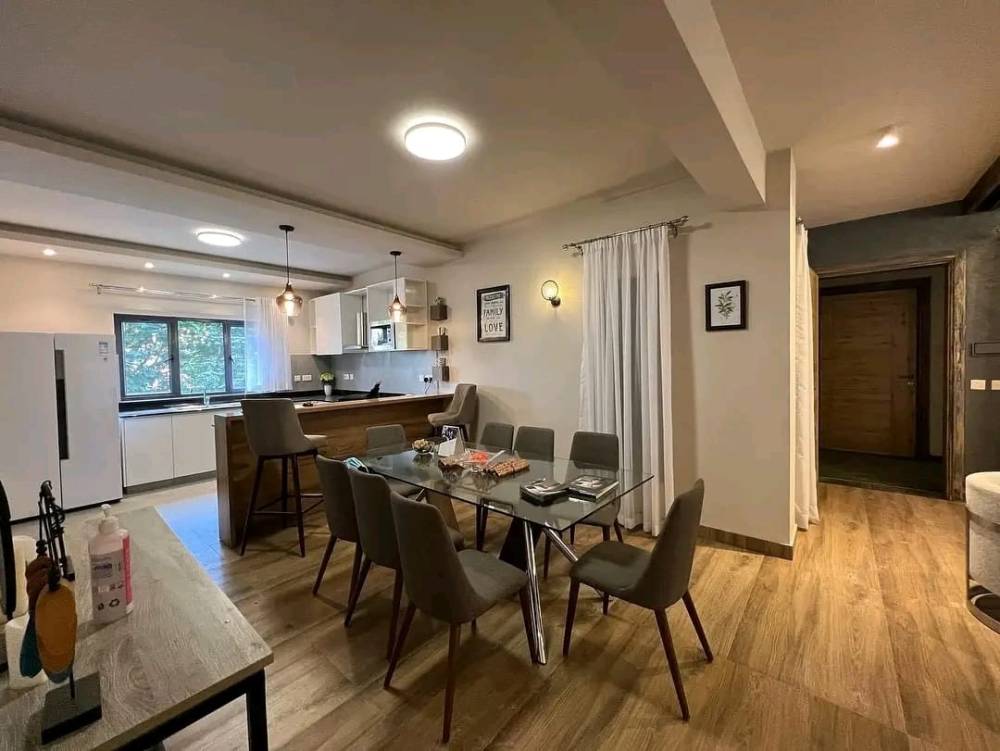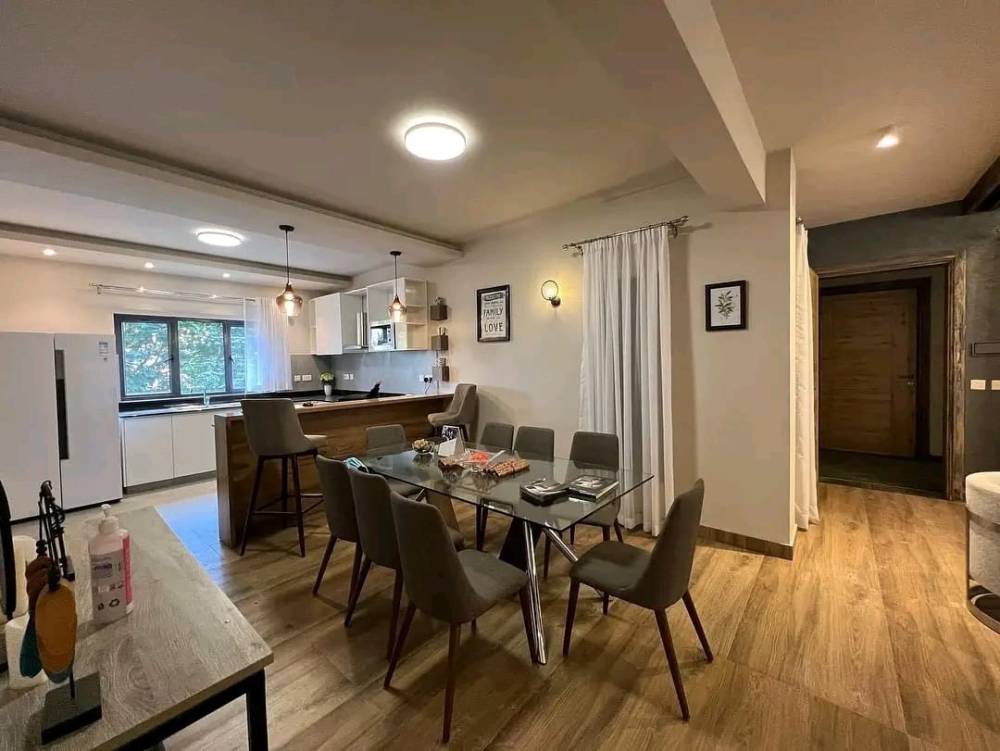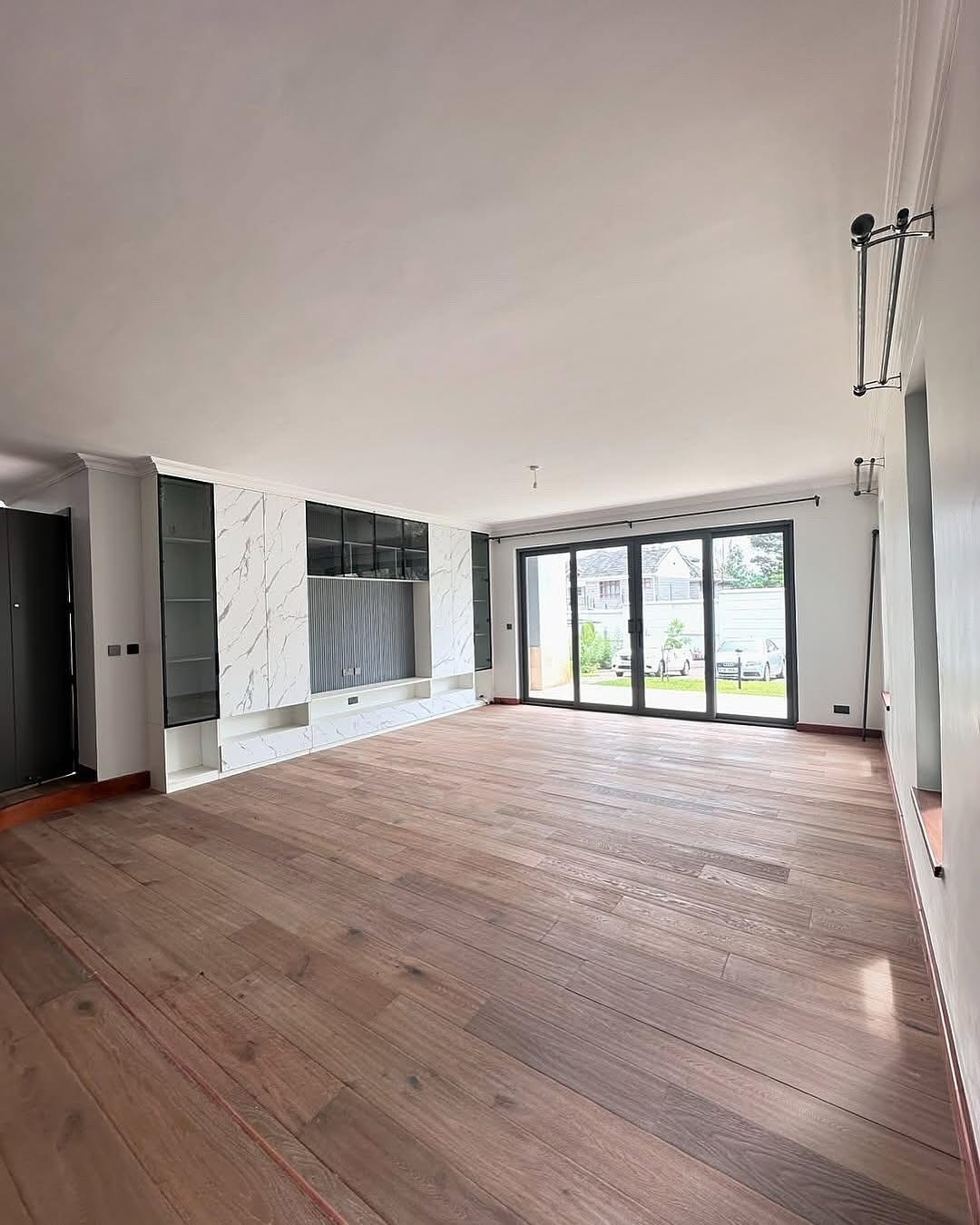
Your home is more than just a structure it's where your life unfolds. In Kenya, where urbanization is growing fast, choosing the right living space is critical for comfort, lifestyle, safety, and investment value. Whether you're moving to Nairobi, Mombasa, Kisumu, or anywhere in between, this guide will walk you through every step of the home-finding process.
1. Define What “Ideal” Means for You
Start by identifying what’s most important for you or your family:
-
Do you prefer urban or suburban living?
-
Do you need proximity to work, schools, or hospitals?
-
What lifestyle do you want quiet, vibrant, gated community, or mixed-use development?
Knowing what matters most helps narrow your options early and prevents regret later.
2. Understand the Market and Your Budget
Whether you’re buying or renting, understanding property prices in various locations helps you set realistic expectations. For instance:
-
A 3-bedroom apartment in Kilimani may cost KSh 13M–20M to buy or KSh 90K–150K per month to rent.
-
A townhouse in Syokimau might range from KSh 8M–15M, with more space for your money.
-
Luxury homes in Runda or Karen can exceed KSh 40M.
Set your budget and add a 10–15% cushion for extra costs like legal fees, furnishings, or renovations.
3. Choose the Right Location
Each neighborhood in Kenya has its own character. Here are a few considerations:
-
Kilimani and Kileleshwa: Ideal for professionals; well-developed and close to Nairobi CBD.
-
Westlands: Great for business and entertainment, with both apartments and office space.
-
Ruiru and Syokimau: More affordable and rapidly growing; great for families.
-
Karen and Runda: Upmarket, serene, and ideal for luxury living.
-
Thika Road, Kitengela, and Athi River: Budget-friendly and suitable for long-term investment.
4. Choose the Right Type of Property
Depending on your lifestyle and family size, here are common property types:
-
Apartments – Suitable for singles or small families, mostly in urban settings.
-
Townhouses – Great for larger families, typically found in gated communities.
-
Standalone Homes – Provide privacy and space, but may come with higher maintenance costs.
-
Off-Plan Properties – Ideal for investors or buyers looking to save on pricing during early development stages.
-
Furnished Apartments – Good for temporary stays, corporate housing, or short-term rentals.

5. Inspect Amenities and Infrastructure
Before committing to a property, ensure it has:
-
Adequate water supply and sanitation
-
Reliable electricity and backup systems
-
Good road access and public transport
-
Internet connectivity
-
Security (gated access, CCTV, perimeter wall, guards)
Also, check proximity to:
-
Schools, hospitals, shopping malls, religious centers, and recreational areas
6. Work with a Trusted Real Estate Agent
A reliable agent will:
-
Help you navigate listings
-
Ensure due diligence
-
Negotiate favorable terms
-
Connect you with lawyers, surveyors, and valuers
Avoid middlemen without credentials. Always verify licenses and previous client reviews.
7. Legal and Financial Considerations
When buying property:
-
Conduct a title deed search with the Ministry of Lands
-
Ensure the seller is the legal owner
-
Hire a real estate lawyer to draft or review sale agreements
-
Be aware of hidden costs (stamp duty, transfer fees, legal fees)
When renting:
-
Sign a tenancy agreement that outlines terms clearly
-
Understand utility responsibilities and service charges
-
Inspect the unit before making payment
FAQs: Finding Your Ideal Living Space in Kenya
Q1: Should I buy or rent in Nairobi?
If you plan to stay long-term or want to invest, buying may be ideal. Renting is better for flexibility and shorter stays.
Q2: How do I avoid real estate scams in Kenya?
Work with certified agents, verify title deeds, and always involve a real estate lawyer before making payments.
Q3: What is a good budget for a family home in Nairobi?
Mid-range family homes cost KSh 8M–200M depending on location and size. Rental options vary from KSh 50K–150K/month.
Q4: What is the process of buying a home in Kenya?
Search → Site visit → Offer → Legal due diligence → Agreement → Payment → Title transfer → Move in.
Q5: Can I buy property in Kenya from abroad?
Yes. Diaspora buyers can purchase property with the help of a trusted real estate agent, power of attorney, and lawyer.
Conclusion: Your Perfect Living Space Is Within Reach
Finding your ideal living space in Kenya doesn’t have to be stressful. With the right planning, guidance, and priorities, you can secure a home that fits your lifestyle, budget, and future goals.Whether you’re a first-time homebuyer, a family relocating, or an investor seeking opportunities, use this guide to make smart and confident decisions.Need help finding your perfect home?
Reach out to our team of trusted real estate experts to begin your journey.Reach out to Ochieng wycliffe and get the best.