The Nairobi real estate market of 2026 has entered a phase of aggressive segmentation. While the narrative for much of the previous decade focused on the explosive growth of satellite towns, 2026 marks a decisive "return to the core." Data from the most recent property indices indicates that prime residential nodes—specifically Westlands and Kileleshwa—are outpacing the broader market in capital appreciation.
For the investor, the question is no longer whether Nairobi property is a viable asset, but rather why these two specific suburbs have become the anchors of value in a rebalancing economy. This analysis moves beyond the marketing gloss to examine the structural, economic, and infrastructure-led drivers making Westlands and Kileleshwa the premier investment destinations in 2026.
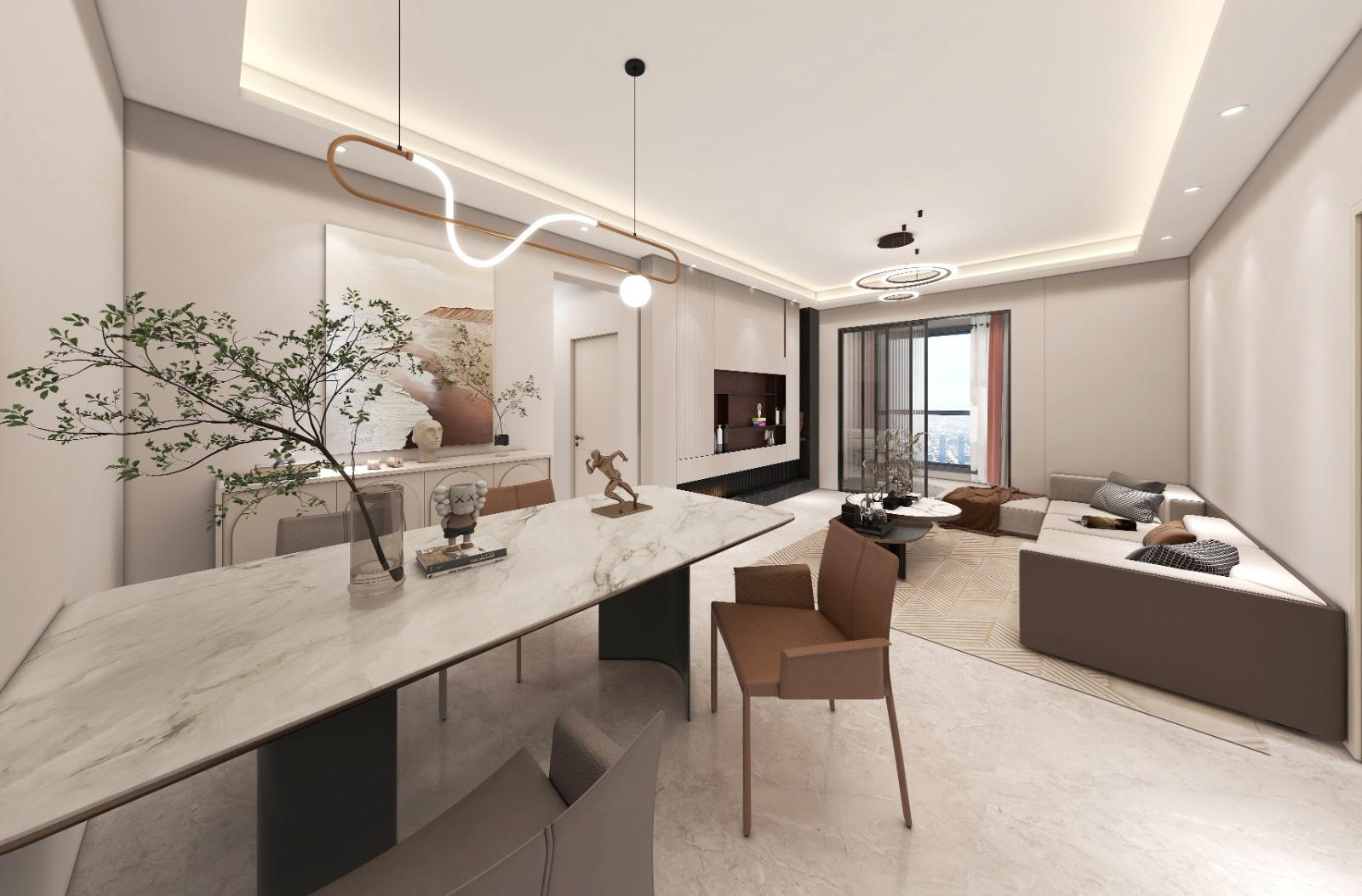
The 2026 Flight to Quality: A Market Overview
In early 2026, the Kenyan real estate sector is navigating a "stabilization era" following the interest rate shocks of 2024 and 2025. Buyers have become more sophisticated, shifting their focus from speculative land banking in peripheral areas to income-generating assets in established urban hubs.
The Divergence of Suburbs vs. Satellites
While satellite towns like Juja and Kitengela recorded a plateau in land price growth (averaging under 7% annually), Westlands and Kileleshwa have seen residential price appreciation tick up by 8.2% year-on-year. This divergence is driven by a "flight to quality." Investors are prioritizing "best investment properties in Westlands Kenya 2026" that offer immediate utility, proximity to commercial centers, and reliable infrastructure.
The New Buyer Profile: Diaspora and Corporates
The appreciation in these areas is heavily supported by record-high diaspora remittances, which hit new peaks in 2025. These "dollar investors" are less sensitive to local mortgage rates and are targeting luxury apartments for sale in Westlands Nairobi and Kileleshwa. Simultaneously, multinational corporate relocations have solidified Westlands as the "new CBD," creating a permanent floor for both rental demand and capital value.
Why Westlands is the Undisputed Capital of Appreciation
Westlands has successfully transitioned from a commercial annex to Nairobi’s primary business and lifestyle hub. In 2026, it is the city’s most resilient real estate market.
1. The "Expressway Effect" and Connectivity
The full optimization of the Nairobi Expressway interchanges has redefined Westlands’ geography. With the transit time from Jomo Kenyatta International Airport (JKIA) to Westlands now consistently under 20 minutes, the area has become the first choice for international consultants and diplomats. This ease of mobility has directly correlated with a 10–15% rise in the value of properties along the Waiyaki Way and Riverside corridors.
2. Concentration of Mixed-Use Developments (MUDs)
Westlands leads the city in the "Live-Work-Play" model. Modern developments that integrate high-end retail, Grade A office spaces, and residential units—such as those near Sarit Centre and GTC—command the highest premiums. For an investor, the apartments to rent in Westlands, Nairobi that offer this integrated lifestyle are seeing the fastest rental growth, often 3–5% higher than the city average.
3. Yield Resilience and Serviced Units
Westlands boasts the highest rental yields in Nairobi, currently averaging 8.5%. The surge in demand for serviced apartments and executive short-stays has pushed property appreciation as investors compete for limited high-quality stock.
Kileleshwa’s Vertical Transformation: The Driver of Value
If Westlands is the commercial engine, Kileleshwa is the high-density residential powerhouse. Its appreciation in 2026 is a result of a massive architectural and demographic shift.
1. From Villas to Vertical Living
Kileleshwa has undergone a total transformation from a low-density suburb of single-storey bungalows to a high-density apartment hub. This shift has maximized land value. A typical quarter-acre plot that once housed a single family now supports 40+ units. This densification, combined with the Kileleshwa residential plots and homes prices guide for 2026, shows that land prices in the area are rising by 8–10% annually due to extreme scarcity for redevelopment.
2. High-Net-Worth Professional Demand
Kileleshwa remains the "sweet spot" for upper-middle-class professionals who find Kilimani too congested and Lavington too expensive. Its proximity to Westlands makes it the primary dormitory for the city's highest-paid workers. The demand for luxury apartments for sale in Kileleshwa Nairobi is driven by those seeking modern amenities—rooftop gyms, solar-hybrid power, and high-speed lifts—which are now standard in 2026 developments.
3. Sectional Title Compliance
One of the most significant but overlooked drivers of appreciation in 2026 is the widespread adoption of the Sectional Properties Act. Kileleshwa has been a leader in this transition. The ability for buyers to receive individual titles for their units has increased market liquidity and buyer confidence, especially for those learning how to buy property in Kenya from the diaspora.
Comparing the ROI: Westlands vs. Kileleshwa
To secure high returns, investors must weigh the trade-offs between these two high-performing zones.
| Feature | Westlands (2026) | Kileleshwa (2026) |
| Primary Driver | Corporate/Multinational | High-Density Residential |
| Average Rental Yield | 8.5% | 7.5% - 8.0% |
| Price Appreciation | 8.2% - 9.0% | 7.0% - 8.5% |
| Best Unit Type | Furnished/Serviced Units | 2 & 3 Bedroom Apartments |
| Tenant Profile | Expats & Business Travelers | Professionals & Young Families |
Key 2026 Investment Drivers to Watch
Infrastructure and Utilities Independence
In 2026, property value is tied to "utility sovereignty." Buildings in Westlands and Kileleshwa that feature high-yield boreholes and full solar-hybrid backup systems are appreciating faster than those dependent on the national grid. Savvy investors are vetting developers based on their "Green Living" credentials, which has moved from a marketing buzzword to a fundamental value driver.
The Role of PropTech and Transparency
The digitization of the Nairobi land registry (Ardhisasa) has reached maturity in 2026. This has drastically reduced fraud and shortened the transaction cycle. This transparency has invited more institutional capital into Westlands and Kileleshwa, as the "risk premium" associated with Kenyan real estate has lowered, pushing prices upward as demand increases.
Risk Mitigation: Identifying Overpriced Hype
While appreciation is strong, 2026 is not a market for the reckless.
-
Avoid "Copy-Paste" Developments: In parts of Kileleshwa, there is a risk of mid-range apartment oversupply. Units that lack unique selling points (USPs) like superior layouts or smart-home integrations may face rental stagnation even if the land value appreciates.
-
Verify Developer Liquidity: Ensure you work with the best real estate agents in Kenya who can provide historical data on a developer's completion rates. The 2026 market favors those who deliver on time, as delayed handovers erode the capital gains of off-plan buyers.
Conclusion: The Strategic Outlook for 2026
Westlands and Kileleshwa are leading Nairobi’s property appreciation because they provide what the 2026 buyer demands most: certainty. These suburbs offer a unique combination of infrastructure, proximity to high-value employment, and a lifestyle that satellite towns cannot yet replicate.
For investors, the window to capture the current appreciation cycle is closing as the market stabilizes. Whether you are seeking high rental yields in a Westlands serviced apartment or long-term capital gains through Kileleshwa's vertical redevelopment, the data supports a concentrated investment strategy in these core Nairobi nodes.
To receive an exclusive market intelligence report on the top-performing projects in Westlands and Kileleshwa, speak with Ochieng Wycliffe; your Nairobi's #1 property advisor for a private consultation:
📞 0713595863 | 0722506632