Tatu City is Kenya’s most advanced master-planned development and one of Africa’s largest mixed-use cities. Built on 5,000 acres in Ruiru, Kiambu County, the city is designed to accommodate over 250,000 residents and tens of thousands of businesses. Unlike traditional neighbourhoods that develop without coordination, Tatu City follows a structured, long-term master plan that integrates living, working, learning, entertainment, and industrial zones within one controlled environment.This detailed overview explains the key components of the Tatu City Master Plan: infrastructure, international schools, road networks, parks and green spaces, residential precincts, commercial districts, and future expansion.
1. Overview of the Tatu City Master Plan
A City Designed for Generations
Tatu City follows a well-structured, globally benchmarked plan that includes:
-
Residential estates
-
Commercial and business districts
-
Retail centers
-
Industrial parks
-
Schools and universities
-
Hospitals and healthcare facilities
-
Recreation parks and green corridors
-
Utility zones and public services
-
Transport and mobility networks
Every zone is designed to support sustainable growth, efficient movement, and a high quality of life.
2. Schools in Tatu City
Education is a core feature of Tatu City’s development. The city already hosts some of Kenya’s most reputable international schools, with more planned for the future.
Crawford International School
A world-class institution offering:
-
Modern classrooms
-
Sports facilities
-
Global curriculum
-
High academic performance
Nova Pioneer Schools
Covers both primary and secondary education with emphasis on:
-
Leadership
-
Innovation
-
21st-century skills
-
Modern student housing (for high school)
Additional Schools in Planning
The master plan includes:
-
A future university campus
-
Multiple private and public primary schools
-
Early childhood learning centers
This makes Tatu City ideal for families and investors seeking strong educational infrastructure.
3. Roads and Transport Network
Well-Planned Internal Road System
Tatu City’s internal roads are built to international standards, including:
-
Dual carriageways
-
Service roads
-
Dedicated pedestrian walkways
-
Cycling paths
-
Clearly marked intersections and roundabouts
Key Access Roads to Tatu City
The city connects seamlessly to multiple major highways:
-
Thika Superhighway
-
Eastern Bypass
-
Northern Bypass
-
Kamiti Road
-
Ruiru-Kiambu Road
This provides residents and businesses with multiple routes in and out of the city, reducing congestion and improving logistics.
Future Transport Features
-
Bus rapid transit (BRT) connectivity
-
Improved public transport terminals
-
Shuttle services within residential precincts
-
Smart traffic management systems
4. Parks and Green Spaces
Tatu City dedicates large portions of its land to nature and recreation.
Key Green Areas in the Master Plan
-
Central Park: a large urban park with walking trails, picnic zones, and open lawns
-
Neighbourhood Parks: small parks within every residential estate
-
Green Belts and Forest Zones: preserved natural areas offering fresh air and biodiversity
-
Jogging and Cycling Trails: continuous routes across the city
-
Recreational Sports Fields: football, basketball, and fitness zones
These parks create a healthy environment, support community life, and significantly raise property values.
5. Residential Neighbourhoods
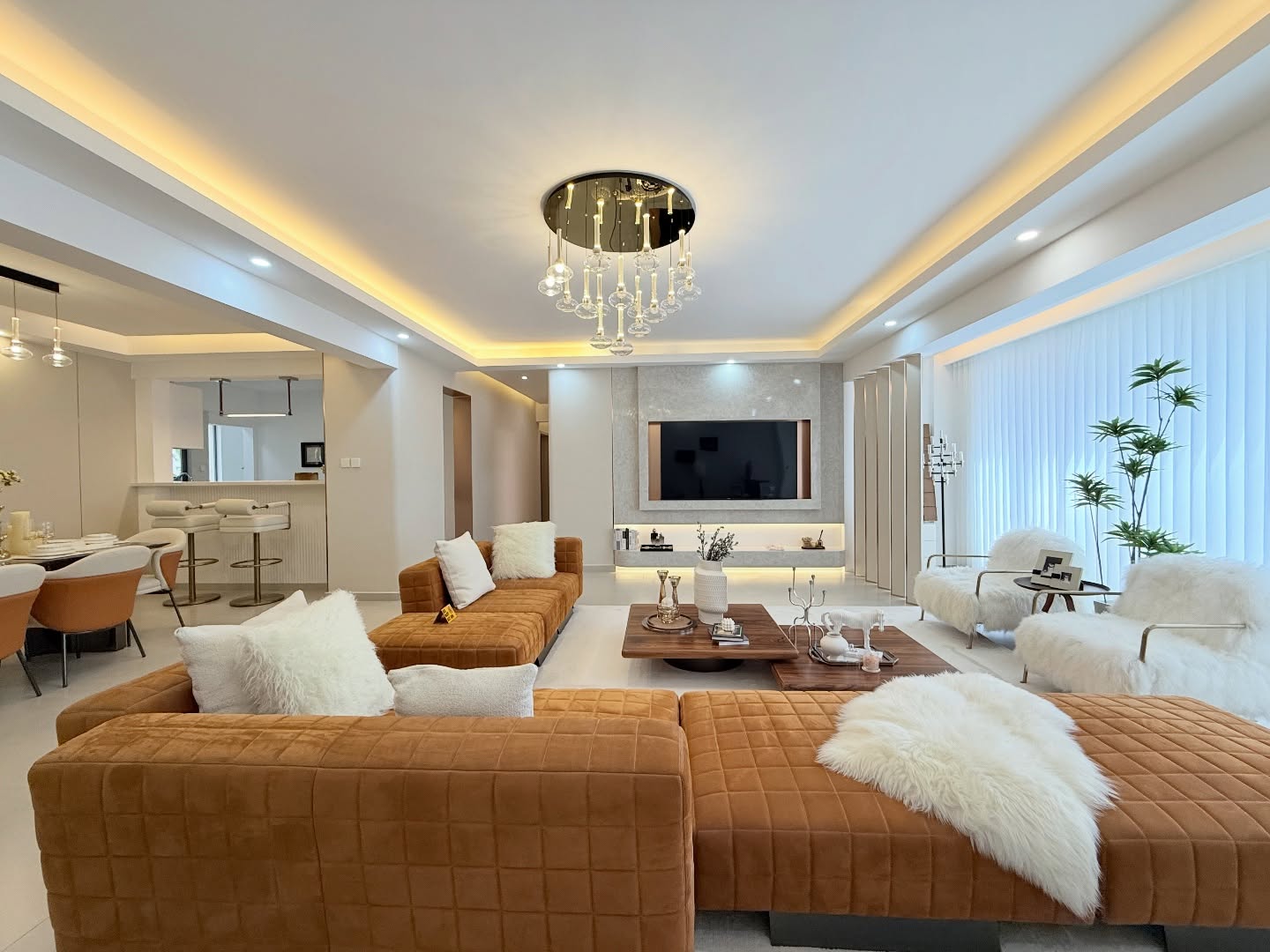
Tatu City’s master plan offers diverse housing options:
Residential Zones Include
-
Kijani Ridge (premium gated community)
-
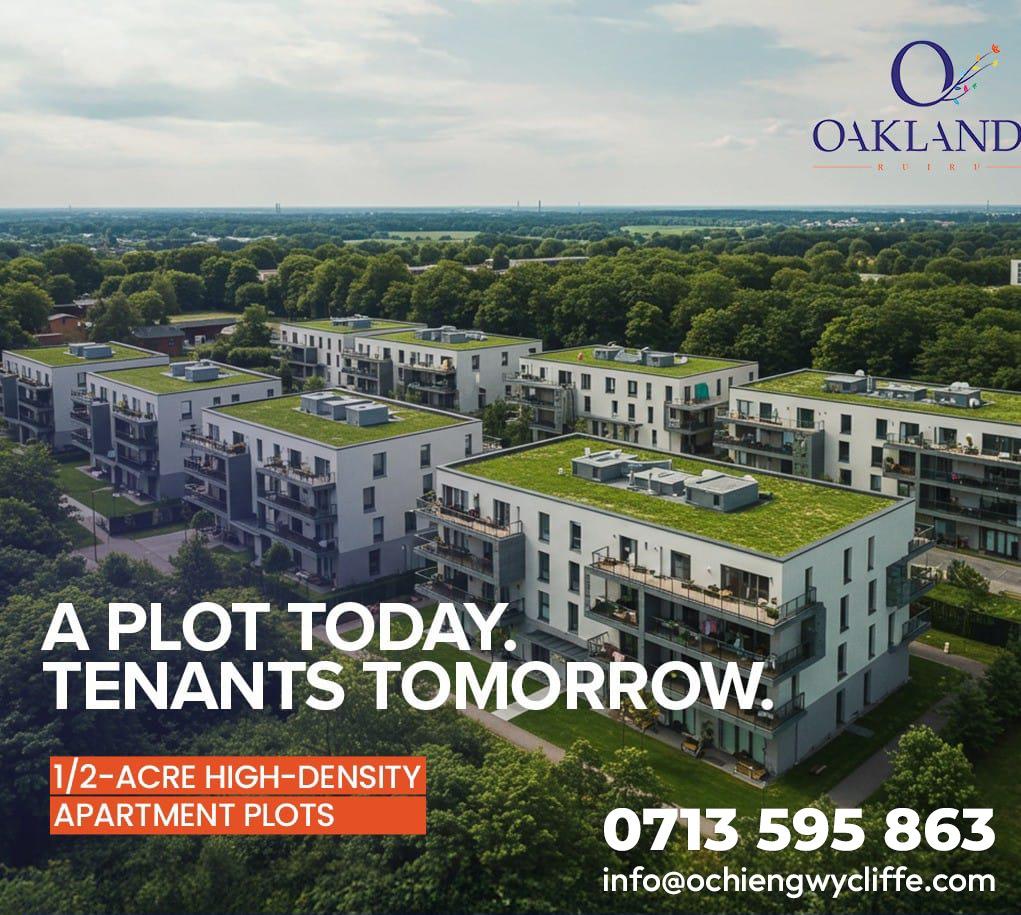
Oaklands (serviced plots)
-
Zaria Village
-
Unity Homes apartments
-
Silver Hill apartments
-
Serviced villa plots
-
Affordable housing zones
Each neighbourhood has:
-
24/7 security
-
Street lighting
-
Paved roads
-
Water and sewer systems
-
Fibre internet
-
Playgrounds and parks
This ensures safe and convenient living for both local and diaspora buyers.
6. Commercial and Business Districts
Tatu City integrates business zones throughout its plan.
Key Business Areas
-
Tatu Central Business District (CBD)
-
Retail plazas and malls
-
Office parks
-
Special Economic Zone (SEZ) industrial districts
-
Warehousing and logistics centres
-
Hospitality and hotel zones
Companies operating here enjoy tax incentives, modern infrastructure, and a secure environment for growth.
7. Industrial Park
The Tatu Industrial Park is one of the largest in East Africa.
It hosts global companies such as:
-
Unilever
-
Dormans
-
Copia
-
Chandaria Industries
-
Kenya Wines Agencies
-
Kim-Fay
Features include:
-
24-hour power reliability
-
Wide truck-friendly roads
-
Efficient zoning
-
Water and sewer connections
-
On-site security
-
SEZ tax benefits
This is a major driver of job creation and economic growth.
8. Retail, Entertainment, and Community Facilities
The master plan includes:
-
Shopping centres
-
Restaurants and cafes
-
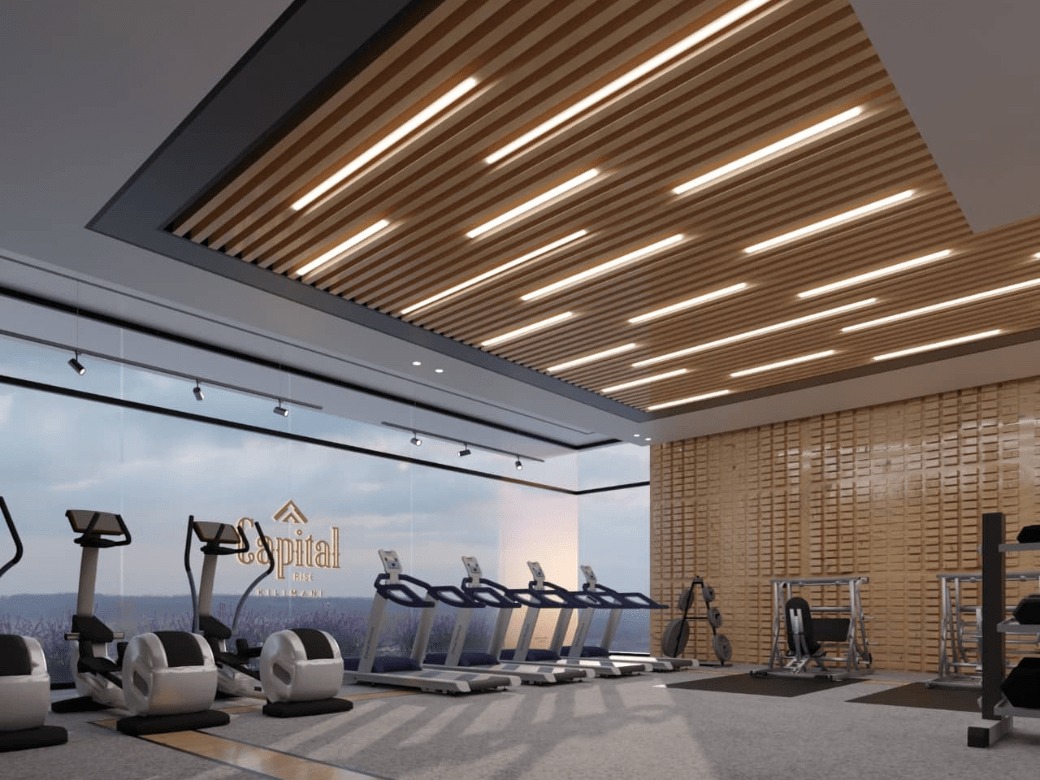
Fitness centres
-
Medical clinics
-
Banking services
-
Cultural centres
-
Sports complexes
These make Tatu City a true live-work-play environment.
9. Future Growth and Long-Term Vision
Tatu City is planned for long-term development extending over decades.
Future Growth Will Include
-
More international schools
-
A full university campus
-
Additional residential precincts
-
A major mall and lifestyle centre
-
Expanded office and business parks
-
Electric mobility integration
-
More public transport connections
-
Larger recreational hubs and cultural spaces
-
Expanding SEZ boundaries to attract more industries
The vision is to create Kenya’s most efficient and economically dynamic city.
Conclusion
The Tatu City Master Plan represents a new era of structured, sustainable, and investor-friendly urban development in Kenya. Its integration of schools, high-quality infrastructure, green parks, residential areas, commercial hubs, and long-term planning makes it one of the most promising real estate and investment destinations in East Africa.
Whether you are looking to buy land, invest in property, relocate your business, or raise a family, Tatu City provides a safe, modern, and future-focused environment.