The Biggest Profits Are Often Made Before the Building Is Complete
One of the biggest misconceptions in real estate is that value is created when a building is completed. In reality, much of the value is created during construction.
Experienced investors understand that timing is one of the most powerful drivers of real estate wealth. Buying early allows you to secure a property at today's price while benefiting from the appreciation that often occurs as construction progresses and the surrounding market continues to grow.
This is why many seasoned investors consistently include off-plan properties in their investment portfolios.
What Makes Off-Plan Investment So Powerful?
When you invest in a carefully selected off-plan development, you're not simply purchasing an apartment—you are positioning yourself ahead of future market growth.
1. Buy at Today's Price
Developers typically introduce projects at launch prices to attract early buyers. As construction advances and demand increases, prices often rise.
Early investors are therefore well-positioned to benefit from capital appreciation before the project is even completed.
2. Flexible Payment Plans
Unlike completed properties that usually require immediate financing or full payment, off-plan developments often provide structured payment plans spread over the construction period.
This allows investors to acquire premium real estate while managing cash flow more effectively.
3. Capital Appreciation During Construction
One of the greatest advantages of buying off-plan is that the property's value may increase before handover.
By the time construction is complete, many investors already hold an asset worth considerably more than their original purchase price.
4. First Choice of Premium Units
Early buyers enjoy access to the best units within a development.
Whether it's:
- Higher floors
- Better views
- Corner apartments
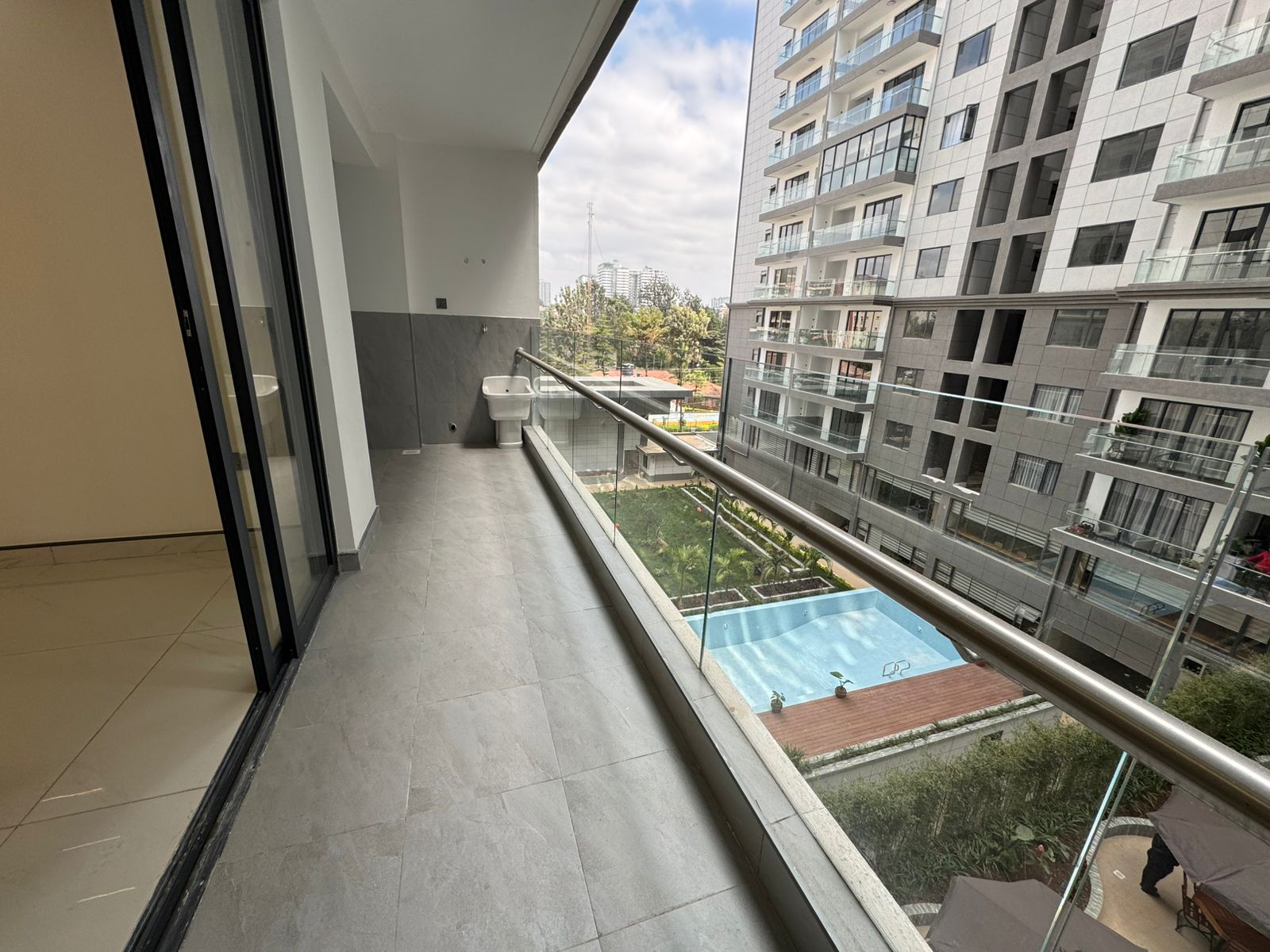
- Larger balconies
- Preferred layouts
These units typically command stronger resale values and higher rental demand.
5. Attractive Rental Returns
Prime residential neighborhoods continue to attract:
- Professionals
- Diplomats
- Corporate executives
- Expatriates
- International investors
Areas such as Kilimani, Kileleshwa, Lavington, Riverside, and Westlands consistently demonstrate strong rental demand, making them ideal for investors seeking reliable rental income.
Location Remains the Greatest Investment Decision
Not every off-plan project delivers exceptional returns.
Successful investors carefully evaluate:
- The developer's reputation
- Construction quality
- Completion history
- Location
- Market demand
- Rental potential
- Future infrastructure
- Long-term neighborhood growth
Choosing the right project is far more important than simply choosing the lowest price.
Prime Areas Continue to Lead the Market
Nairobi's blue-chip residential neighborhoods remain among the city's strongest investment locations because they combine:
- Excellent infrastructure
- High rental demand
- Premium lifestyle amenities
- Strong capital appreciation
- Limited prime land supply
- Consistent buyer confidence
These fundamentals continue to support long-term property values even as the market evolves.
Think Beyond Today's Price
Many first-time buyers focus only on what a property costs today.
Experienced investors ask a different question:
"What could this property be worth in three, five, or ten years?"
That shift in thinking often separates ordinary buyers from long-term wealth builders.
Real estate has consistently rewarded those who recognize future value before everyone else does.
Final Thoughts
The biggest profits in real estate are rarely made after a project is complete—they are often made during the journey from groundbreaking to completion.
Off-plan investment offers an opportunity to enter the market early, benefit from price appreciation, enjoy flexible payment plans, and secure premium properties in Nairobi's most desirable neighborhoods.
However, success depends on choosing the right location, the right developer, and the right project. Thorough due diligence and professional guidance remain essential before making any investment decision.
If you're considering investing in Kilimani, Kileleshwa, Lavington, Riverside, or Westlands, now may be the ideal time to explore quality off-plan opportunities before prices move higher.
Author
Ochieng Wycliffe
Real Estate Consultant
📞 0713 595863 | 0722 506632
Petlif Properties
"We believe every property holds a story of possibility. Our role is to help our clients find it, unlock it, and turn it into a lasting legacy."
Frequently Asked Questions (FAQs)
1. What is an off-plan property?
An off-plan property is one that is purchased before construction is completed, or in some cases before construction begins. Buyers invest based on approved plans, designs, and project specifications.
2. Why do off-plan properties cost less than completed properties?
Developers often offer introductory prices to attract early buyers and finance construction. As the project progresses and demand increases, prices typically rise.
3. Which Nairobi neighborhoods are best for off-plan investment?
Kilimani, Kileleshwa, Lavington, Riverside, and Westlands remain among Nairobi's strongest locations due to high demand, quality infrastructure, premium lifestyle, and long-term appreciation potential.
4. Is off-plan investment suitable for first-time buyers?
Yes, provided buyers conduct proper due diligence, verify the developer's track record, understand the payment plan, and seek professional advice before committing.
5. What should I look for before investing in an off-plan project?
Consider the developer's reputation, project approvals, construction timeline, payment structure, location, rental demand, expected appreciation, amenities, and legal documentation.
6. Can I earn rental income immediately after completion?
Yes. Once the project is completed and handed over, investors can rent out their units. Prime locations often attract strong rental demand, helping generate attractive rental yields.
7. Why should I work with a professional real estate consultant?
A knowledgeable consultant helps you evaluate developers, compare projects, negotiate favorable terms, identify high-growth opportunities, and reduce investment risks through proper due diligence.