Chapter One: The Midnight Scroll
It started at 11:47 PM.
Brian was not planning to buy property that night.
He was only “checking prices.”
The same dangerous sentence almost every serious investor says before accidentally changing their life.
One minute he was casually scrolling through listings on Property24 Kenya, and the next minute, he paused.
A beautifully presented apartment in Kilimani appeared on his screen.
Large windows.
Warm lighting.
A rooftop infinity pool.
A gym overlooking Nairobi’s skyline.
And beneath the photos was a familiar line:
“Contact Ochieng Wycliffe – Petlif Properties Kenya.”
Then the number:
0713595863.
He stared at the screen for a few seconds longer than necessary.
Not because of the apartment.
But because something about the listing felt… organized.
Clear.
Professional.
Trustworthy.
And in Nairobi real estate, trust is often more valuable than marble countertops.
So he called.
Chapter Two: The First Conversation
The phone rang twice.
“Hello Brian, this is Ochieng Wycliffe from Petlif Properties Kenya.”
The voice was calm.
Confident.
No pressure.
No aggressive sales pitch.
Just clarity.
Instead of immediately pushing the property, Ochieng asked a different question:
“What exactly are you looking for?”
That question changed the entire conversation.
Because buying property is rarely about walls and bedrooms.
Sometimes it is about reducing traffic stress.
Sometimes it is about finding proximity to schools.
Sometimes it is about status.
Sometimes it is about passive income.
And sometimes, quietly, it is about proving to yourself that you finally made it.
Brian explained what he wanted:
A modern apartment.
Good security.
Close to Westlands.
Reliable water.
A property with investment potential.
Within his budget.
Instead of forcing one listing, Ochieng shortlisted several carefully selected options in Kilimani, Kileleshwa, and Westlands.
The process had officially begun.
Chapter Three: The Site Visit Day
Saturday arrived.
Nairobi was unusually beautiful that morning.
The roads through Kilimani were alive with cafés opening, joggers moving past luxury apartments, and the slow rhythm of a city expanding vertically.
Brian met Ochieng for the site visit.
And this is where many buyers discover the difference between online photos and reality.
Some apartments looked smaller in person.
Some looked better.
Some had beautiful interiors but poor access roads.
Others had excellent locations but weak finishing.
But that is why site visits matter.
A serious Realtor does not simply unlock doors.
A serious Realtor interprets value.
During every viewing, Ochieng explained:
The developer’s reputation.
Rental demand in the area.
Expected appreciation.
Service charge structure.
Water availability.
Construction quality.
Title status.
Nearby infrastructure developments.
And something many buyers forget to ask:
“What will this property feel like five years from now?”
Hours later, Brian found it.
A modern two-bedroom apartment in Kilimani.
Natural lighting.
Functional layout.
Strong amenities.
Good rental yield potential.
And for the first time, he stopped comparing properties.
Because deep down, he already knew.
This was the one.
Chapter Four: The Negotiation Table
Most people think buying property is emotional.
But negotiation is mathematics mixed with psychology.
The asking price was slightly above Brian’s budget.
So the negotiation process began.
This is where representation matters.
Petlif Properties Kenya helped bridge the conversation between buyer and seller professionally without emotional tension.
Price adjustments were discussed.
Payment timelines reviewed.
Reservation terms clarified.
Included features confirmed.
Parking allocation negotiated.
Completion timelines verified.
And eventually, both parties reached an agreement.
The reservation fee was paid.
The apartment was officially reserved.
For the first time, the dream became legally visible.
Chapter Five: The Due Diligence Stage
This is the stage that separates excitement from wisdom.
Before any major payment, proper due diligence began.
The legal verification process included:
Legal Documents Reviewed
- Title Deed verification
- Mother title confirmation
- Search at the Ministry of Lands
- Seller identification documents
- Company ownership documents (if developer-owned)
- Approved building plans
- NEMA approvals
- Occupation certificate
- Land rates clearance
- Land rent clearance
- Sale Agreement review
A qualified property lawyer carefully reviewed every document.
Questions were asked.
Clarifications made.
Amendments adjusted where necessary.
Because in real estate, the safest transaction is not the fastest one.
It is the clearest one.
Chapter Six: Signing the Sale Agreement
The meeting room felt unusually quiet that afternoon.
Pens were placed neatly on the table.
Lawyers sat across from each other.
Pages turned slowly.
Every clause mattered.
The Sale Agreement outlined:
Purchase price.
Deposit structure.
Completion timelines.
Default clauses.
Transfer conditions.
Responsibilities of each party.
Then came the moment.
Brian signed.
The seller signed.
The lawyers witnessed.
And just like that, ownership had officially started moving from one person to another.
Chapter Seven: The Financial Process
The deposit was transferred.
Bank communication began.
Financing approvals moved forward.
Some buyers pay cash.
Others use mortgage financing.
Others use installment structures directly from developers.
But regardless of the payment method, documentation remained essential.
Every payment required:
Official receipts.
Acknowledgement letters.
Bank transfer records.
Lawyer confirmations.
Transparency protects both buyer and seller.
And throughout the process, communication remained consistent.
No confusion.
No disappearing agents.
No mysterious surprises.
Just structure.
Chapter Eight: Transfer and Registration
Once payments were completed, the legal transfer process officially moved to registration.
Documents were submitted.
Stamp duty assessed.
Transfer instruments prepared.
Ownership transfer processed through the Lands office.
And after weeks of paperwork, verification, and approvals…
It finally arrived.
The new title documents.
The apartment now legally belonged to Brian.
Not in theory.
Not in conversation.
Not in screenshots.
In law.
Chapter Nine: The Key Handover
The final meeting was surprisingly emotional.
The caretaker opened the apartment one last time.
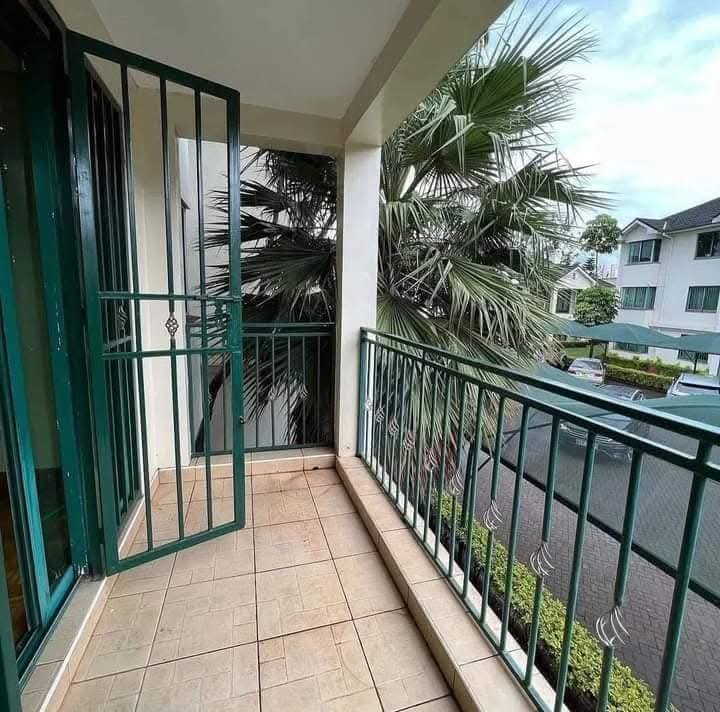
Sunlight entered through the balcony windows.
The city moved quietly outside.
Then Ochieng handed Brian the keys.
A simple moment.
But powerful.
Because property ownership is rarely just about real estate.
It is about stability.
Freedom.
Achievement.
Legacy.
And sometimes, it is the first visible proof that years of hard work finally became something tangible.
Why Buyers Choose Petlif Properties Kenya
At Petlif Properties Kenya, the process goes beyond showing houses.
The goal is to guide buyers through every step professionally and transparently:
- Property identification
- Investment consultation
- Site visits
- Negotiation support
- Legal guidance
- Due diligence coordination
- Documentation process
- Transfer assistance
- Property handover
Because buying property should feel structured, safe, and exciting — not confusing.
Frequently Asked Questions (FAQs)
How do I start buying property in Nairobi?
Start by identifying your budget, preferred location, and property type. Then contact a trusted Realtor for guidance and site visits.
Why are site visits important?
Photos can be misleading. Site visits help evaluate location, finishing quality, access roads, amenities, and overall value.
What legal documents should I verify before buying?
Always verify the title deed, land search records, approvals, sale agreement, land rates clearance, and ownership documents.
Can foreigners buy property in Kenya?
Yes, foreigners can buy property in Kenya under leasehold arrangements.
Is Kilimani still a good investment location?
Yes. Kilimani remains one of Nairobi’s strongest apartment investment zones due to rental demand, infrastructure, and central accessibility.
Conclusion
Most property journeys do not begin with lawyers or contracts.
They begin with curiosity.
A late-night scroll.
A random listing.
A phone call.
And eventually, a decision that changes everything.
Some people keep scrolling.
Others schedule the site visit.
And somewhere between the first viewing and the final key handover, a property slowly becomes home.
Contact Petlif Properties Kenya
For apartments, townhouses, and investment properties in Kilimani, Kileleshwa, Lavington, Westlands, Membley, Ruiru, and Tatu City:
Ochieng Wycliffe
Petlif Properties Kenya
0713595863 / 0722506632