The Same Property, Different Price: Why Perception Shapes Real Estate Value
Imagine two bottles of water.
One is sold in a local kiosk for KSh 50.
The other is sold in a luxury hotel for KSh 1,000.
The water may be the same—but the environment, branding, experience, and perception completely change its value.
Real estate works exactly the same way.
People Buy What They Believe
A buyer rarely purchases four walls and a roof.
They buy:
- Security
- Prestige
- Convenience
- Lifestyle
- Future appreciation
- Confidence in their investment
These are emotional decisions backed by financial logic.
That is why two apartments with similar sizes can sell at very different prices.
Location Creates Perception
Mention addresses like Kilimani, Kileleshwa, Lavington, Riverside, or Westlands, and people immediately associate them with quality living, accessibility, and long-term investment potential.
The address itself becomes part of the property's value.
People are not only buying the apartment—they are buying the neighborhood's reputation.
Presentation Matters More Than Many Think
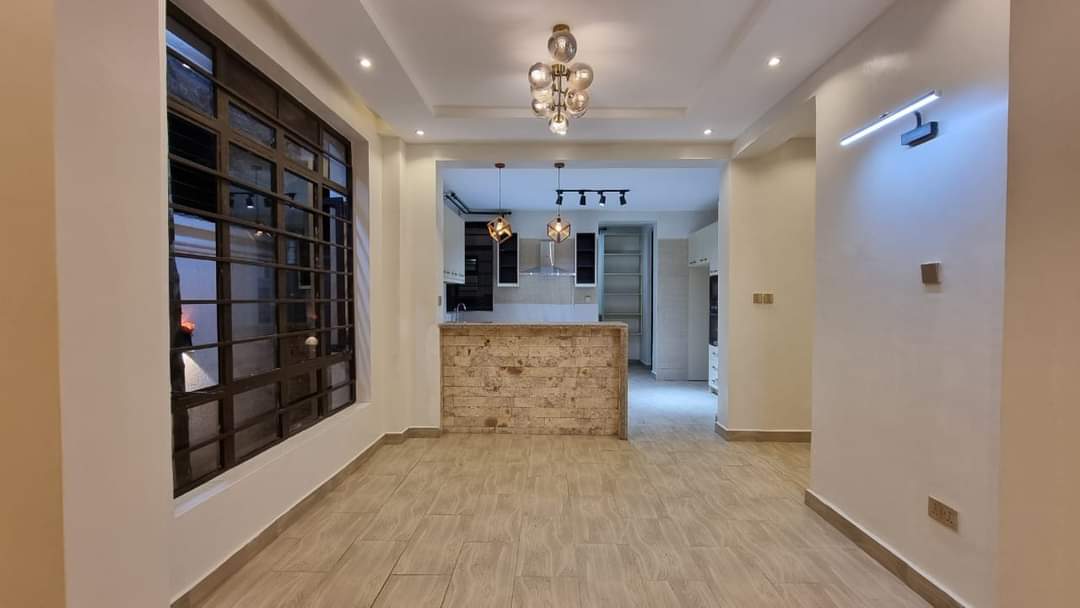
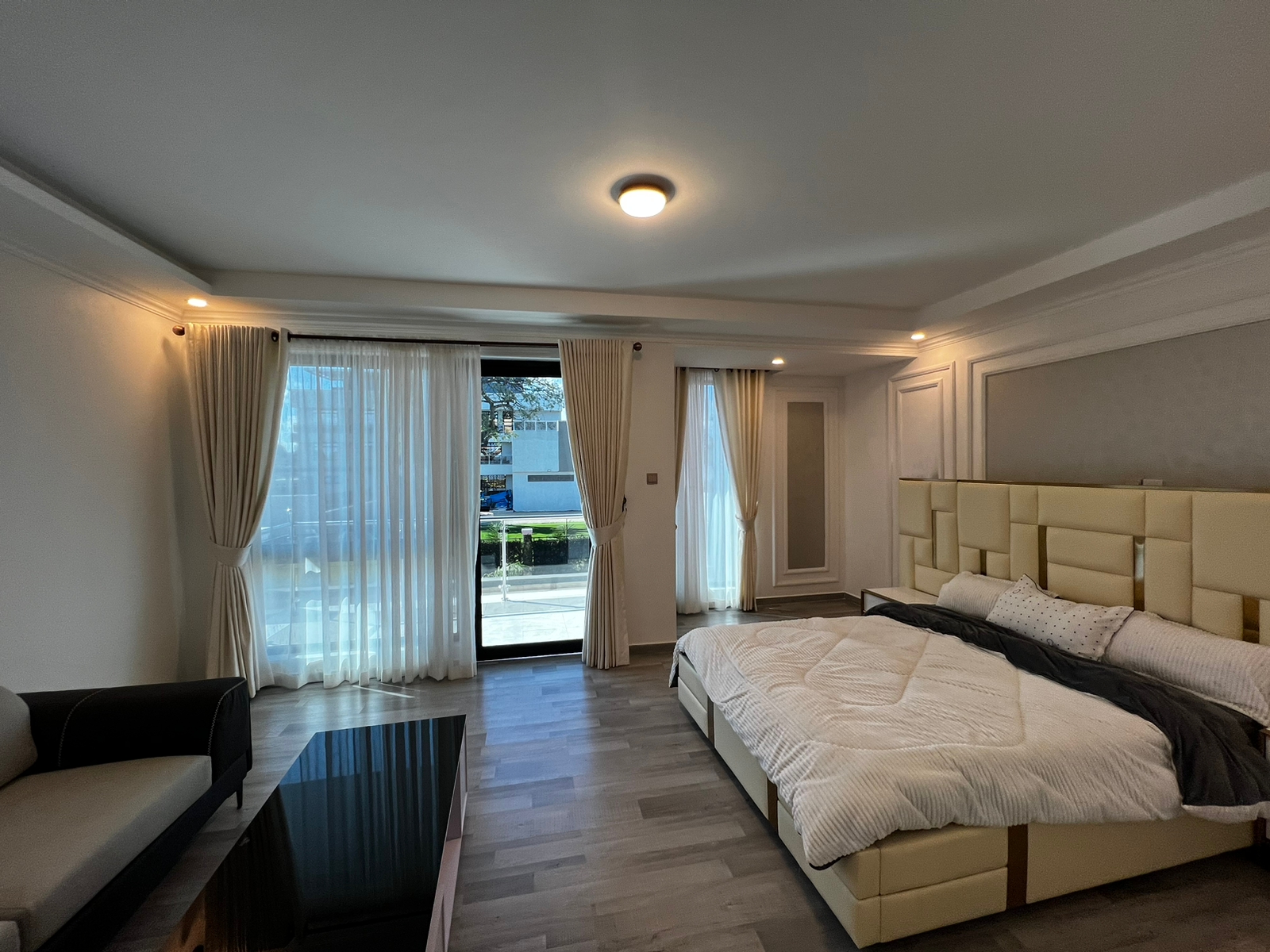
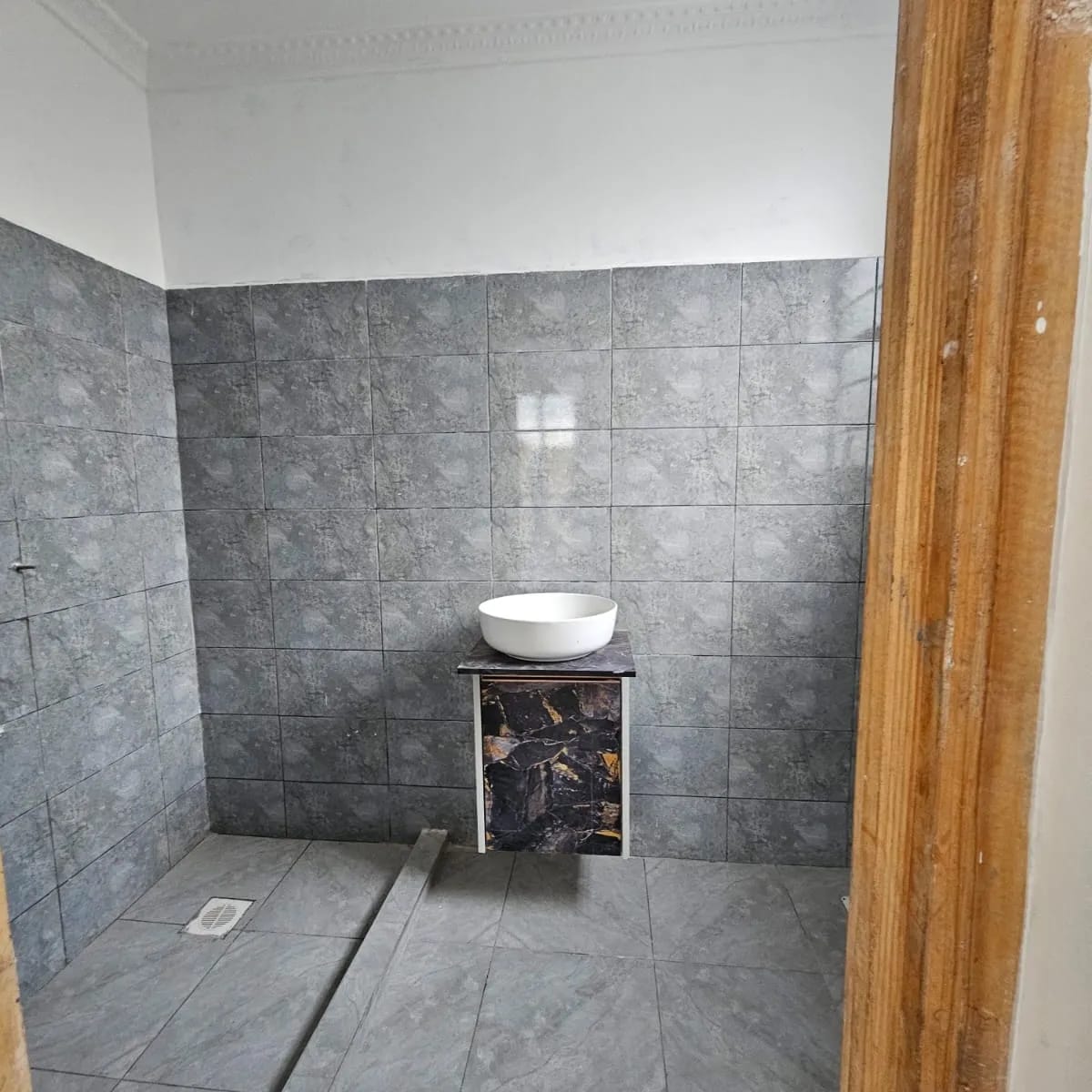
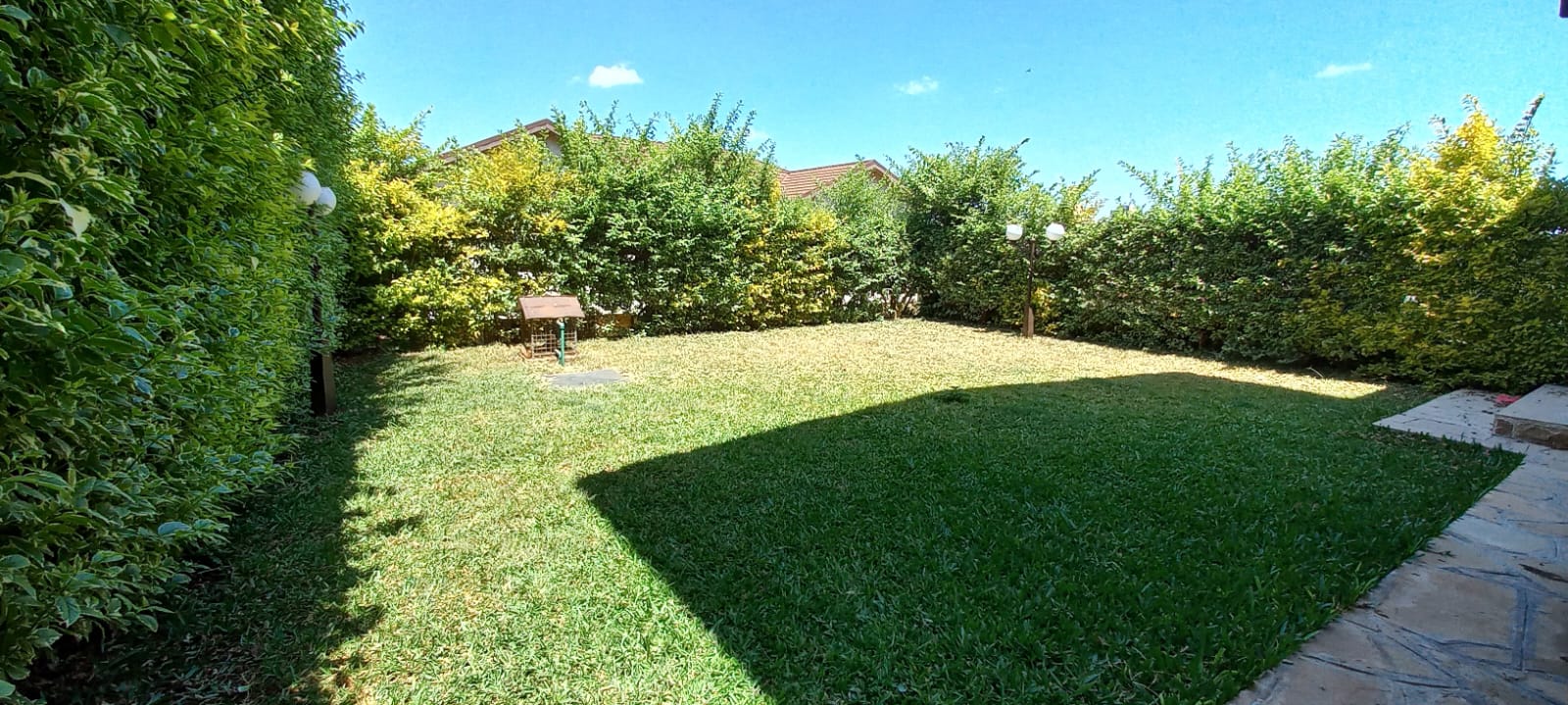
A clean, professionally photographed property attracts more interest than one with poor presentation.
The same home can appear ordinary or exceptional depending on how it is marketed.
Professional marketing doesn't create value out of nothing—it helps buyers recognize the value that already exists.
Brand Trust Influences Buying Decisions
When buyers trust the developer or the real estate professional, uncertainty decreases.
Trust often becomes the deciding factor between two similar properties.
This is why experienced investors don't only evaluate the property—they evaluate the people behind it.
Smart Investors Understand Perception
Successful investors know that markets reward perception.
They buy in locations where demand is growing, infrastructure is improving, and public perception is strengthening.
As more people recognize an area's potential, property values often follow.
Understanding perception isn't about manipulating buyers—it's about recognizing how markets naturally behave.
The Bottom Line
The market rarely pays only for bricks and mortar.
It pays for confidence.
It pays for location.
It pays for presentation.
It pays for trust.
And above all, it pays for perception.
The most successful real estate investors understand that value is created long before a property is sold. They position themselves where perception and opportunity meet.
"In real estate, value is not determined only by what a property is—it is also determined by what people believe it can become."
— Ochieng Wycliffe
Looking to buy, sell, rent, or invest in Nairobi's prime neighborhoods? Petlif Properties is committed to helping you make informed real estate decisions with professionalism, integrity, and market expertise.
Contact us:
📞 0713 595 863
📞 0722 506 632
Author: Ochieng Wycliffe
Frequently Asked Questions (FAQ)
1. Why do similar properties have different prices?
Pricing is influenced by factors such as location, neighborhood reputation, presentation, amenities, accessibility, developer reputation, and buyer demand—not just the physical structure.
2. Does branding really affect property value?
Yes. A reputable developer or trusted real estate agency increases buyer confidence, which can positively influence perceived value and demand.
3. Why are properties in Kilimani, Kileleshwa, Lavington, Riverside, and Westlands more expensive?
These neighborhoods are known for excellent infrastructure, security, accessibility, quality developments, and strong rental demand, making them attractive to both homeowners and investors.
4. Can good marketing increase a property's selling price?
Professional photography, compelling descriptions, targeted advertising, and proper positioning help attract qualified buyers who better appreciate the property's value.
5. What should investors focus on beyond the property itself?
Investors should evaluate the location, future infrastructure, developer credibility, market trends, rental demand, and the long-term perception of the area before making a purchase.