Introduction: Why Lavington Is Often Misunderstood by Investors
Lavington is frequently criticized by entry-level investors for one specific reason: the rental yields often appear lower than those found in high-density corridors. In the aggressive real estate environment of 2026, the common refrain is that “the rental yields in Lavington are not exciting.”
While that statement is technically true when looking at gross percentages on a spreadsheet, it is strategically incomplete. It ignores the fundamental law of risk-adjusted returns. In 2026, Lavington is not a cash-flow-maximization zone like Kilimani, nor is it a speculative frontier like the emerging satellite hubs of Tatu City. Its power lies in its role as a defensive asset.
Lavington’s true investment strength is capital preservation with controlled, resilient cash flow. For the sophisticated investor—particularly those in the diaspora or institutional funds—Lavington represents a "Blue Chip" asset. It is the location you choose when your primary goal is to protect wealth from inflation and currency volatility while ensuring that the asset remains liquid and desirable across decades, not just seasons.
This deep dive analyzes why Lavington behaves differently from other Nairobi suburbs, the mathematics of its "low" yields, and how to correctly position your capital in this enclave in 2026.
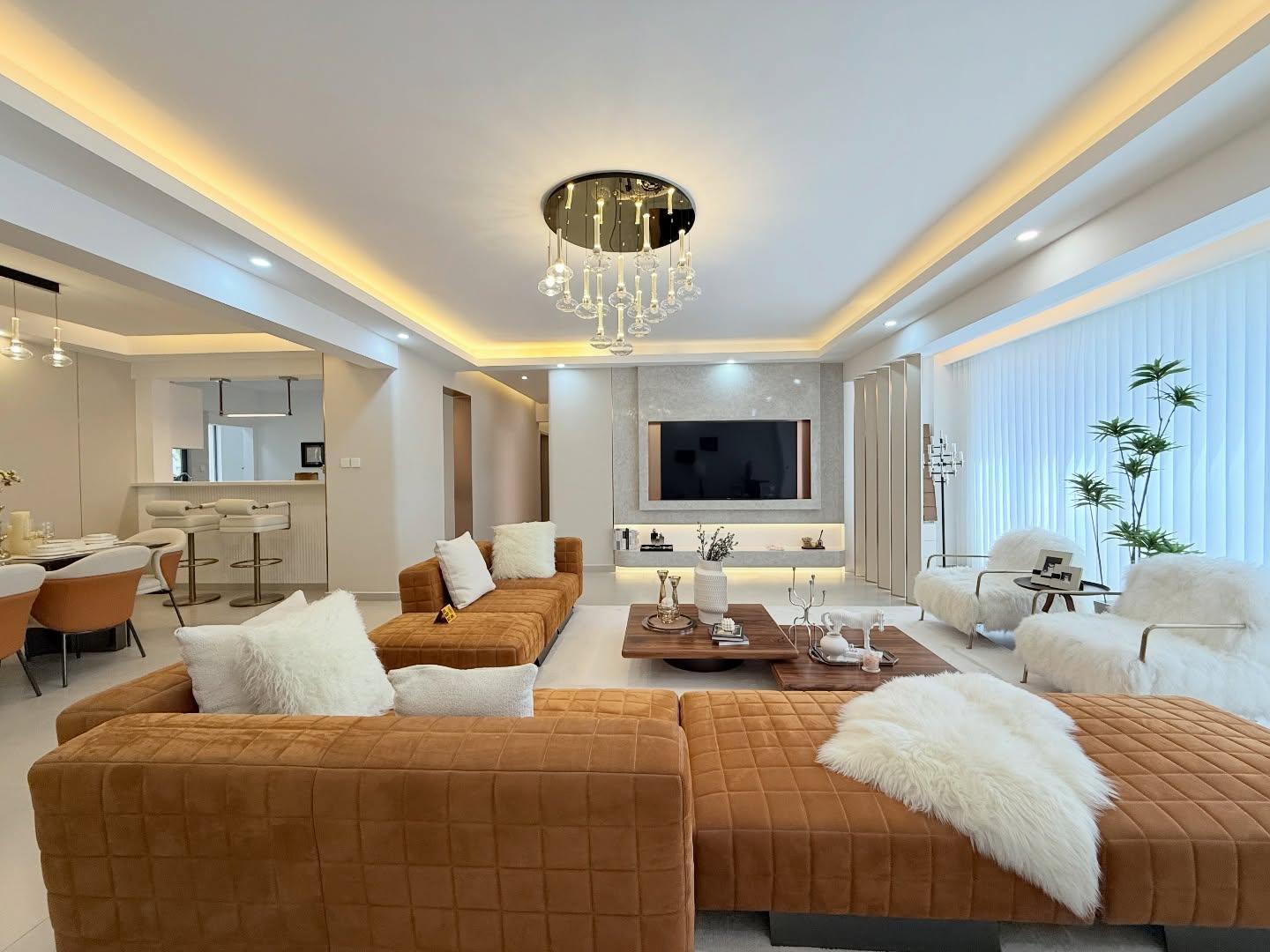
1. Lavington’s Role in Nairobi’s Property Hierarchy
The Defensive Asset Class
Every mature property market has a hierarchy. There are "growth" areas, "yield" areas, and "defensive" areas. In 2026, Lavington, alongside parts of Riverside and Runda, functions as Nairobi’s premier defensive asset class.
A defensive asset is characterized by low volatility. When the wider economy faces headwinds, Lavington prices do not experience the sharp corrections seen in oversupplied apartment hubs. This is because the majority of houses for sale in Lavington Nairobi are held by high-net-worth individuals and families with "patient capital"—owners who are not forced to sell during a downturn.
Wealth Stores vs. Income Streams
Investors frequently confuse "income" with "wealth." A high-yield studio in Kilimani provides an income stream, but that stream is subject to high tenant churn, management intensity, and physical depreciation of the building. Lavington, conversely, acts as a wealth store. The land value component in Lavington remains significantly higher relative to the built structure than in high-rise areas, ensuring that the underlying asset appreciates even as the building ages.
2. Capital Preservation vs Cash Flow: A 2026 Reality Check
Defining the Two Strategies
To invest successfully in 2026 Real Estate, you must identify which side of the ledger your portfolio sits on:
-
Cash Flow Assets: These prioritize monthly rent. They are often high-density, located in areas like Kilimani or parts of Westlands, and target young professionals. They offer 7%–9% yields but carry higher risks of oversupply and neighborhood degradation.
-
Capital Preservation Assets: These prioritize the "Exit Price." They target families and executives, offering 4.5%–6% yields but with 3%–5% higher annual capital appreciation and significantly lower vacancy rates.
Lavington is firmly a capital preservation play. In a year where the Kenyan Shilling’s stability is a key consideration for investors, the physical land in Lavington remains one of the most reliable hedges available.
Risk-Adjusted Performance
When we look at the best investment properties in Lavington Kenya 2026, we must look at the "Net" performance. A "10% yield" property elsewhere often nets 6% after accounting for 2 months of vacancy, high agent fees for frequent tenant finds, and aggressive wear-and-tear repairs. A "6% yield" Lavington townhouse often nets 5.5% because the tenant—usually a corporate executive or an expat family—stays for three to five years and maintains the property meticulously.
3. Why Lavington Prices Rarely Crash: The Structural Moat
Structural Supply Control and Zoning
One of the biggest threats to property value is uncontrolled supply. In Kilimani and Kileleshwa, the transition to high-rise zoning has led to a vertical supply explosion. Lavington has maintained a "structural moat" through:
-
Neighborhood Associations: The Lavington residents’ associations are among the most active in Nairobi. They have successfully challenged developments that violate the low-to-mid-density character of the area.
-
Minimum Plot Sizes: While some densification is happening, Lavington still retains many large plots (0.5 to 1 acre), preventing the "wall-to-wall" concrete density seen in neighboring suburbs.
-
Infrastructure Caps: The sewer and water infrastructure in Lavington is naturally limited, which acts as a physical ceiling on how many units a developer can feasibly put on a plot.
Buyer Profile Discipline
The types of people looking for how to buy property in Kenya with a focus on Lavington are rarely speculators. They are typically:
-
Multi-generational Kenyan families.
-
Senior diplomats and UN staff.
-
Institutional investment funds (REITs) seeking stable long-term holdings.
-
Best real estate agents in Kenya consistently report that Lavington remains the top request for "secure family living."
4. Rental Yields: The Truth Behind the Numbers
The Mathematics of "The Quality Premium"
On paper, a KES 80 million townhouse in Lavington renting for KES 350,000 looks like a 5.2% gross yield. By comparison, four KES 20 million apartments in a high-density area might rent for a total of KES 600,000, suggesting a 9% yield.
However, the 2026 market intelligence suggests the following "hidden" Lavington advantages:
| Metric | High-Density Apartment | Lavington Townhouse |
| Average Lease Term | 12 Months | 36 - 48 Months |
| Annual Vacancy | 15% - 20% | < 5% |
| Maintenance Cost | High (High traffic) | Low (Family care) |
| Land Ownership | Fractional (Sectional) | Significant (Pro rata) |
| Appreciation Type | Built-form dependent | Land-value driven |
Behavioral Stability
Lavington tenants prioritize the school node. With institutions like Braeside, Strathmore, St. Austin’s, and Lavington Primary within a 5-minute radius, families become "sticky." They do not move to save a few thousand shillings because the cost of disrupting their children’s education and social circle is too high. This behavioral stability is a major, yet underrated, investment advantage.
5. Property Types That Perform Best in Lavington
1. Townhouses in Gated Communities
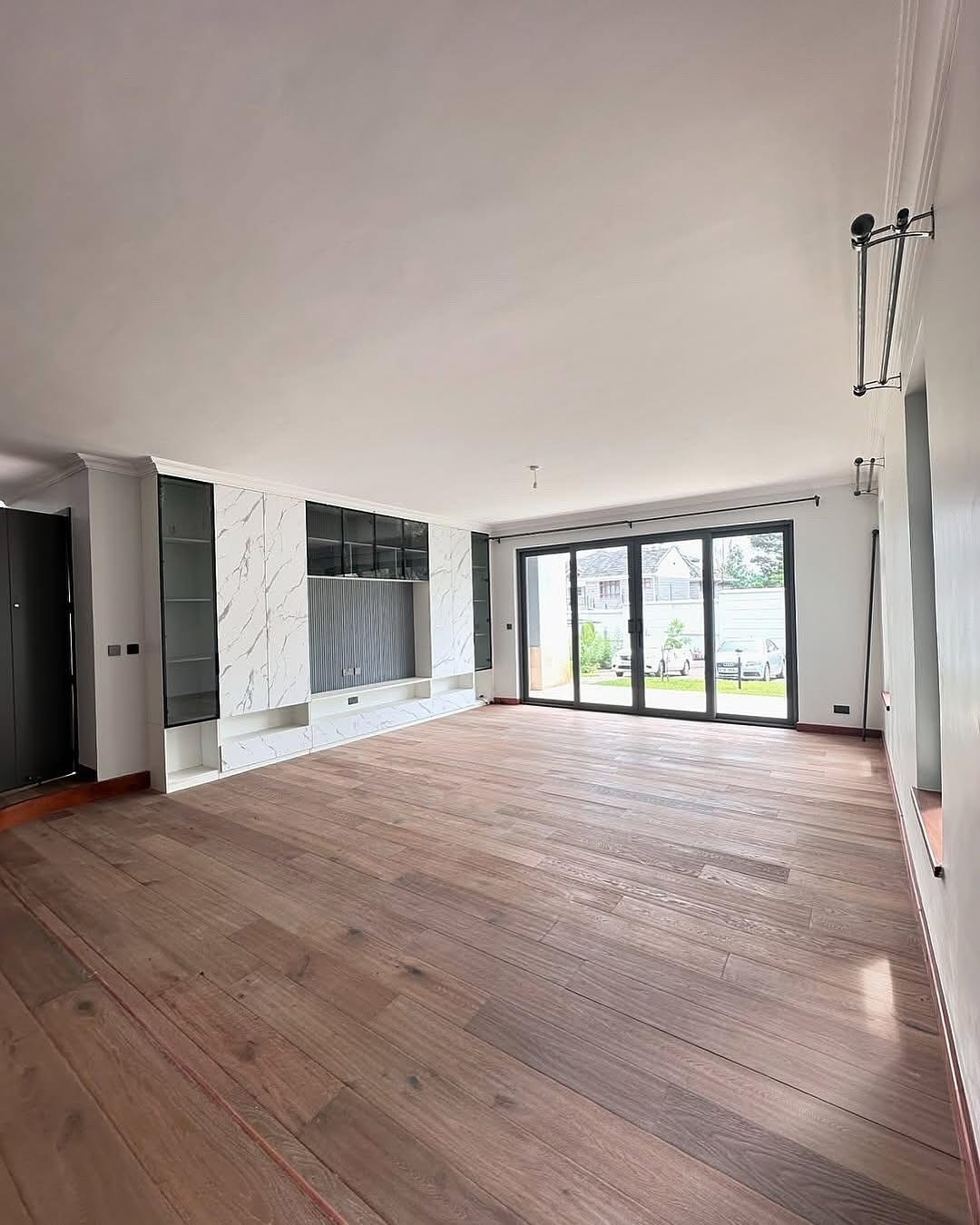
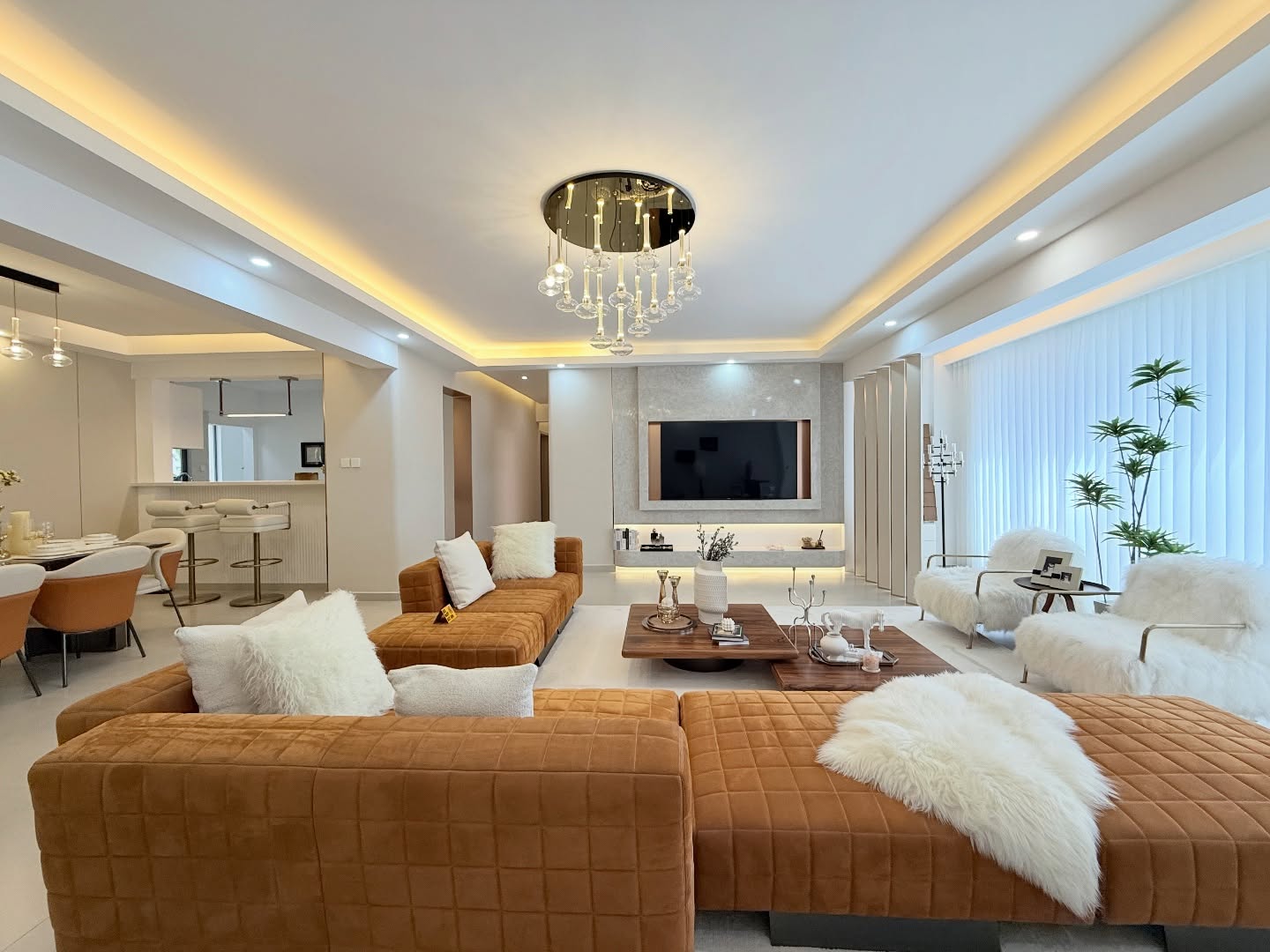
These are the "Crown Jewels" of Lavington. A gated community of 6 to 12 units offers the perfect balance of security and privacy. In 2026, the demand for houses for sale in Lavington Nairobi specifically focuses on modern designs that include:
-
Home offices (post-hybrid work era).
-
Solar energy integration.
-
High-end security tech.
2. Low-Density Apartment Blocks
While high-rises are the norm elsewhere, Lavington’s "sweet spot" is the 3-to-4-storey block with a maximum of 20 units. These apartments target senior expats who want the convenience of an apartment with the quiet of a house.
3. Residential Plots
For those looking at the Lavington residential plots and homes prices guide, land remains the ultimate scarcity play. Buying an old bungalow on half an acre for redevelopment or land banking remains the most successful capital preservation strategy for high-net-worth individuals.
6. The Scarcity Principle: Lavington vs. Kilimani
The primary reason to avoid yield-chasing in high-density areas is fungibility. One 2-bedroom apartment in a block of 200 is identical to a thousand others. Tenants can easily move to the next block for a better deal.
In Lavington, every property is relatively unique. A 5-bedroom townhouse in a quiet cul-de-sac on Mbaazi Avenue is not easily replaceable. When an asset is scarce, the landlord has the pricing power. In 2026, as Nairobi becomes more crowded, "Quiet" and "Green" have become luxury commodities. Lavington owns the market on both.
7. Strategic 2026 Infrastructure Impacts
Lavington is no longer an "isolated" suburb. The expansion of the James Gichuru road and the linkages to the Nairobi Expressway have transformed its accessibility.
-
Westlands Link: Executives can live in the "green" of Lavington while working in the "glass" of Westlands, with a commute of less than 15 minutes.
-
Retail Maturity: With Lavington Mall, The Junction, and ABC Place, the area is self-sufficient. This "15-minute city" capability sustains property values.
-
Security Upgrades: Increased private security patrols and the "Diplomatic Blue Zone" status of certain roads in Lavington continue to drive expat demand.
8. Common Investor Mistakes in Lavington
Mistake 1: Chasing Small Units
Buying a studio or a small 1-bedroom in Lavington is often a mistake. The tenant profile for this area is families and senior executives. Small units here often compete poorly with Westlands, which is better suited for the "young and mobile" demographic.
Mistake 2: Overlooking the Sectional Properties Act 2026
Many older Lavington properties are still on mother titles. As a buyer, you must ensure that the property is compliant with the Sectional Properties Act 2026. Non-compliant properties will face significant liquidity issues when you try to sell or use the property as collateral.
Mistake 3: Neglecting the "Management" Audit
In a gated community, the value of your house is tied to the quality of the communal gardens and security. Before buying, audit the service charge history and the effectiveness of the resident's committee.
9. Who Should Invest in Lavington in 2026?
Lavington is the ideal location for a specific type of investor:
-
The Diaspora Wealth Builder: Those living in the US, UK, or EU who want a "hands-off" investment that will safely grow in value until they return or retire.
-
The Institutional Fund: Entities that need to balance their portfolio with low-risk, high-liquidity assets.
-
The Family Legacy Investor: Those buying land for sale Kenya with the intent of building a multi-generational family compound or a small, high-end redevelopment project.
It is not the place for short-term flippers or those who need to maximize immediate monthly cash flow to service high-interest bank loans.
10. The 2026–2035 Outlook: Quiet Dominance
Lavington’s future is defined by "Quiet Dominance." As Nairobi continues its transition into a mega-city, the value of established, low-density, green neighborhoods will skyrocket.
We anticipate that by 2030, Lavington will move from being a "suburb" to being an "inner-city sanctuary." This transition will see a massive spike in land value. Investors who buy now are not just buying rent; they are buying an entry ticket into one of the most exclusive land-control clubs in East Africa.
Summary Comparison Table (2026 Data)
| Feature | Lavington | Westlands | Kilimani |
| Primary Intent | Capital Preservation | Corporate Yield | Cash Flow |
| Target Tenant | Families/Diplomats | Multi-national Execs | Professionals/Airbnb |
| Supply Risk | Low (Zoning) | Moderate | High |
| Volatility | Very Low | Moderate | High |
| Resale Liquidity | High (Family Buyers) | High (Investors) | Moderate |
Final Insight: Scarcity Always Wins
In property investing, the "flashy" areas get the headlines, but the "boring" areas build the wealth. Lavington rewards the patient investor. It rewards the person who realizes that in a city of 6 million people, a quiet, secure, and green 0.5-acre plot is the ultimate luxury.
Stop looking for the highest yield and start looking for the highest floor. Lavington provides that floor. It is dependable, it is resilient, and in 2026, it remains the safest harbor for capital in the Nairobi real estate market.
If you are evaluating Lavington for townhouses, low-density apartments, or long-term family assets, the decision must be strategic—not emotional.
Speak with a Nairobi property advisor to conduct a risk-adjusted analysis of your potential Lavington acquisition:
📞 0713595863 | 0722506632