The Apartments We Build vs. The Homes People Actually Want: A Realtor's Honest Observations
Every week, I walk through apartments with clients searching for a place they can proudly call home.
Some are first-time renters.
Others are families upgrading their lifestyle.
Some are investors looking for their next property.
What fascinates me is that while every client is unique, many of them consistently notice the same things.
As a realtor, I have learned that the smallest design decisions often influence whether someone falls in love with a property or walks away.
These observations are not criticism—they are opportunities. Opportunities for landlords, developers, architects, and interior designers to create homes that people genuinely enjoy living in.
1. Neutral Walls Make It Easier for People to Feel at Home
One of the first things many clients notice when they enter a house is the wall color.
Contrary to what many property owners believe, most buyers and tenants are not looking for bright, flashy colors.
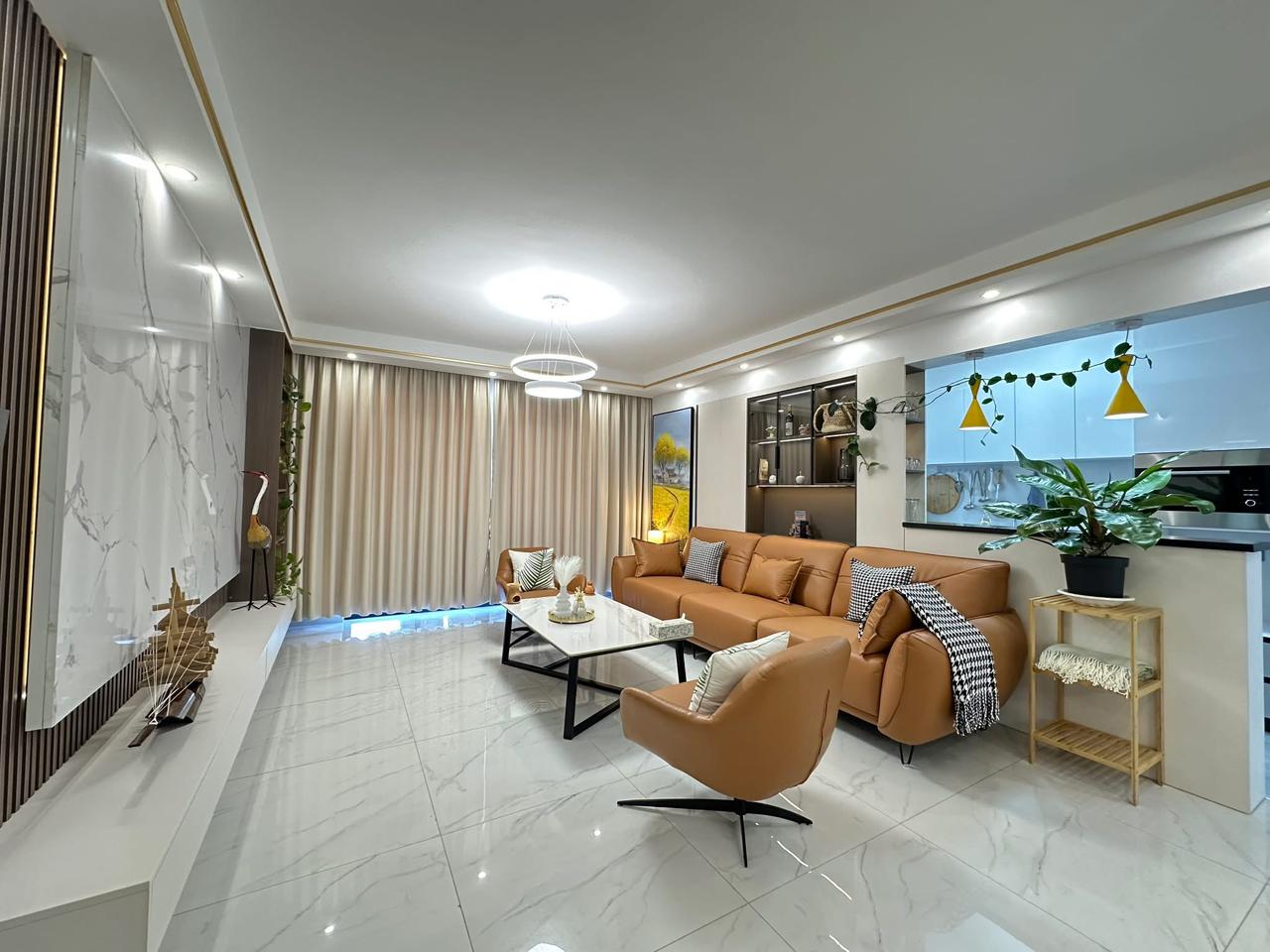
They are drawn to clean white walls, soft cream tones, light grey finishes, and other neutral palettes.
Why?
Because neutral colors create a sense of peace.
They make rooms appear brighter and more spacious.
More importantly, they allow people to imagine their own furniture, artwork, family photos, and personal style within the space.
A home should feel like a blank canvas waiting for someone's story.
Unfortunately, some landlords choose bold greens, oranges, reds, blues, or multiple accent colors simply because they personally like them.
The reality is that what appeals to one individual may discourage dozens of potential tenants.
Designing for the market instead of personal taste often leads to faster occupancy and happier residents.
2. Simplicity in Flooring Creates Timeless Elegance
Another pattern I've consistently observed is clients' appreciation for uniform flooring.
Many people prefer one tile design flowing throughout the apartment.
It creates harmony.
It makes rooms appear larger.
It gives the home a modern and premium feel.
Yet many apartments still feature different tile patterns from room to room or overly decorative flooring that competes for attention.
While such choices may seem impressive during construction, they can quickly become outdated.
Simple, high-quality flooring rarely goes out of style.
Timeless design almost always outperforms trendy design.
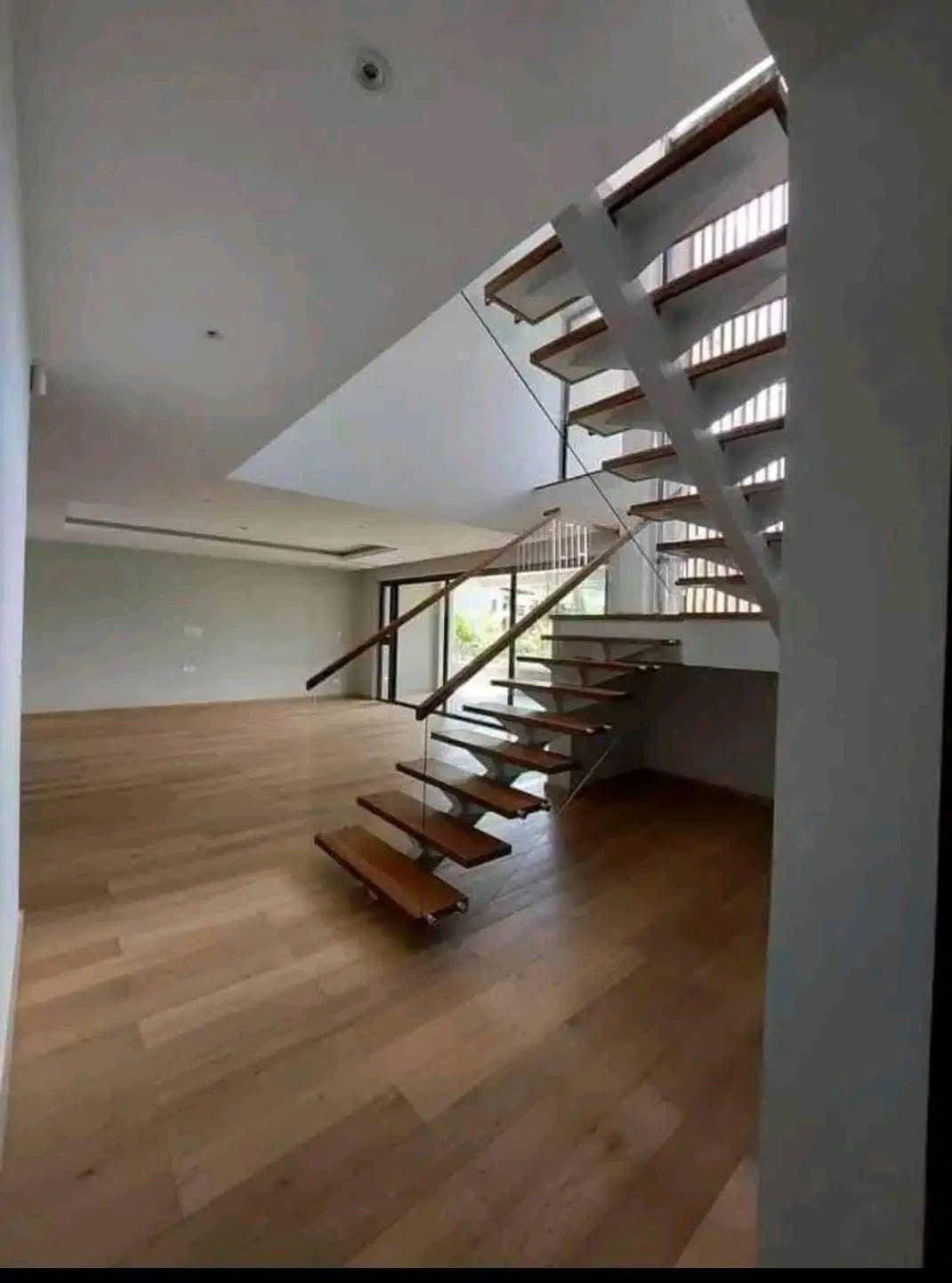
3. Accessibility Should Never Be an Afterthought
Perhaps the most important observation I've made has nothing to do with aesthetics.
It has everything to do with people.
Many apartment buildings today still have only staircases.
No ramps.
No lifts.
No accessible entrances.
No consideration for people living with disabilities.
This is a conversation our industry needs to have.
Accessibility is not only for wheelchair users.
It benefits an elderly parent visiting family.
It helps a pregnant mother.
It supports someone recovering from surgery.
It assists parents carrying babies and strollers.
It makes life easier for delivery personnel transporting heavy items.
Inclusive design serves everyone.
As developers, landlords, and consultants, we have a responsibility to ensure that the places we build welcome every member of society with dignity.
A home should never become inaccessible simply because of a flight of stairs.
4. Clients Buy Emotion Before They Buy Property
One lesson I've learned over the years is that people don't buy walls.
They buy feelings.
They buy peace.
They buy comfort.
They buy the vision of raising children, hosting family, celebrating milestones, and creating memories.
Every design choice either supports that emotional connection or weakens it.
Natural lighting.
Neutral colors.
Consistent finishes.
Functional layouts.
Accessible spaces.
These features quietly communicate one message:
"This could be home."
That emotional connection is often what closes a sale.
5. The Best Landlords Build with Their Tenants in Mind
The landlords whose properties rarely stay vacant usually have one thing in common.
They make decisions from the tenant's perspective.
Instead of asking,
"What do I like?"
They ask,
"What would make someone love living here?"
That mindset influences every decision—from paint colors and flooring to storage, lighting, accessibility, and finishes.
When landlords focus on creating exceptional living experiences instead of simply completing a building, everyone benefits.
Tenants stay longer.
Vacancy rates decrease.
Property values improve.
Reputations grow stronger.
A Small Shift Can Transform the Industry
Kenya's real estate market is becoming increasingly competitive.
Today's tenants and buyers have more choices than ever before.
The properties that will stand out are not necessarily the most expensive.
They will be the ones that are thoughtfully designed.
Homes that feel bright.
Homes that feel peaceful.
Homes that are practical.
Homes that welcome everyone.
Sometimes the greatest luxury is not marble countertops or expensive chandeliers.
Sometimes it is simply thoughtful design that makes everyday living easier.
As a real estate consultant, I believe the future belongs to developers and landlords who listen—not only to architects and contractors—but also to the people who will eventually call those apartments home.
When we build with empathy, we don't just create buildings.
We build communities.
We improve lives.
And that is what great real estate should always be about.
Frequently Asked Questions (FAQs)
Why do most tenants prefer white or neutral wall colors?
Neutral colors make spaces appear brighter, larger, and cleaner. They also allow tenants and buyers to personalize the home with their own furniture and décor without clashing with existing colors.
Why is using one tile design throughout an apartment recommended?
Consistent flooring creates visual harmony, makes rooms feel more spacious, and gives the property a modern, timeless appearance that appeals to a wider market.
Why should landlords consider accessibility features?
Accessibility benefits not only people living with disabilities but also elderly residents, pregnant women, parents with strollers, visitors, and anyone recovering from injuries. Inclusive design makes a property welcoming to everyone.
Do thoughtful design choices affect rental demand?
Yes. Properties with neutral finishes, practical layouts, and user-friendly features generally attract more interest, reduce vacancy periods, and improve tenant satisfaction.
What is the biggest mistake landlords make when designing apartments?
One of the most common mistakes is designing based on personal preferences instead of market preferences. Successful landlords prioritize what tenants and buyers want over their own tastes.
Author
Ochieng Wycliffe
Real Estate Consultant
Helping homebuyers, investors, landlords, and developers make informed real estate decisions across Nairobi's blue-chip neighborhoods through professional advice, market insights, and practical experience.
Building confidence in every property decision.