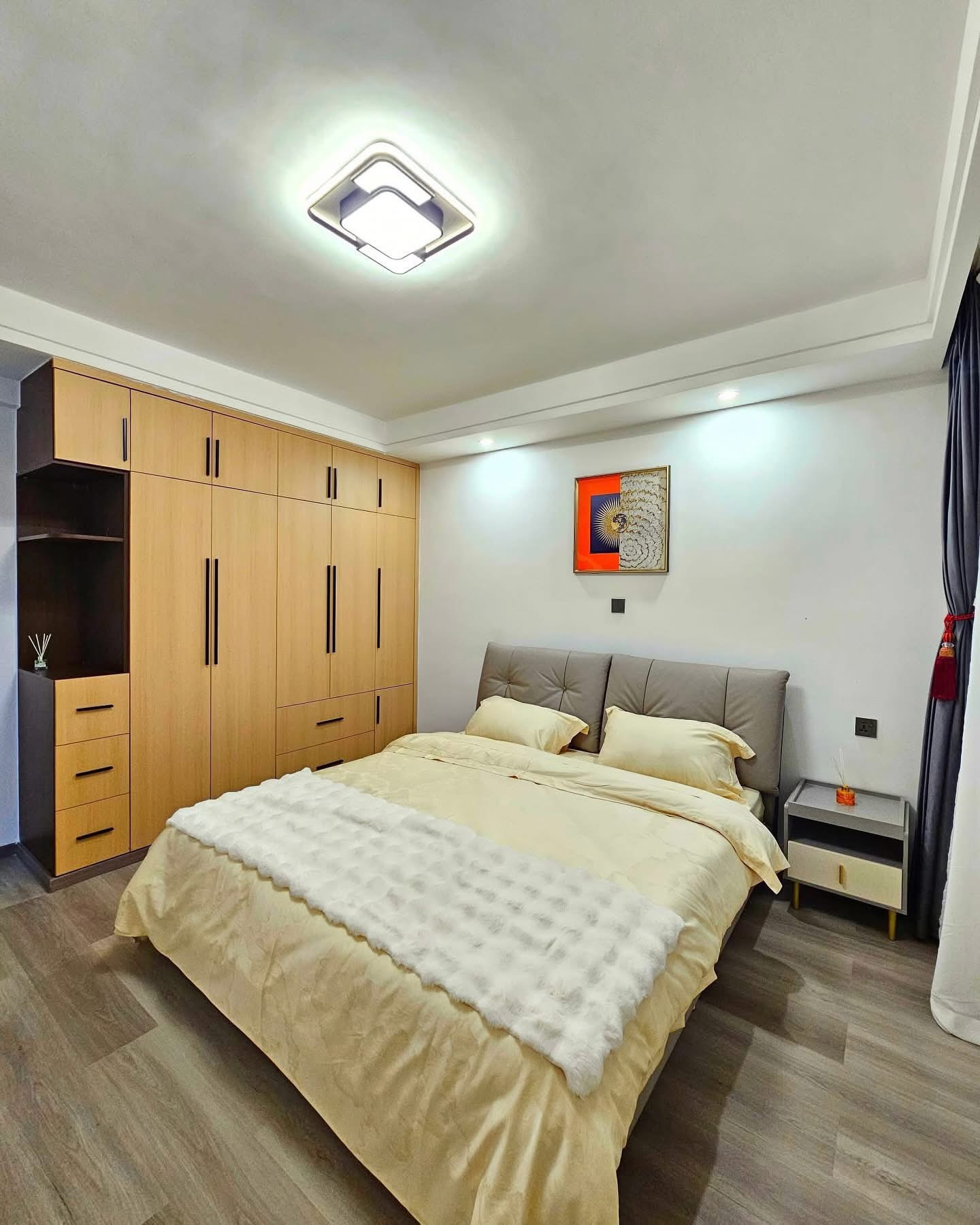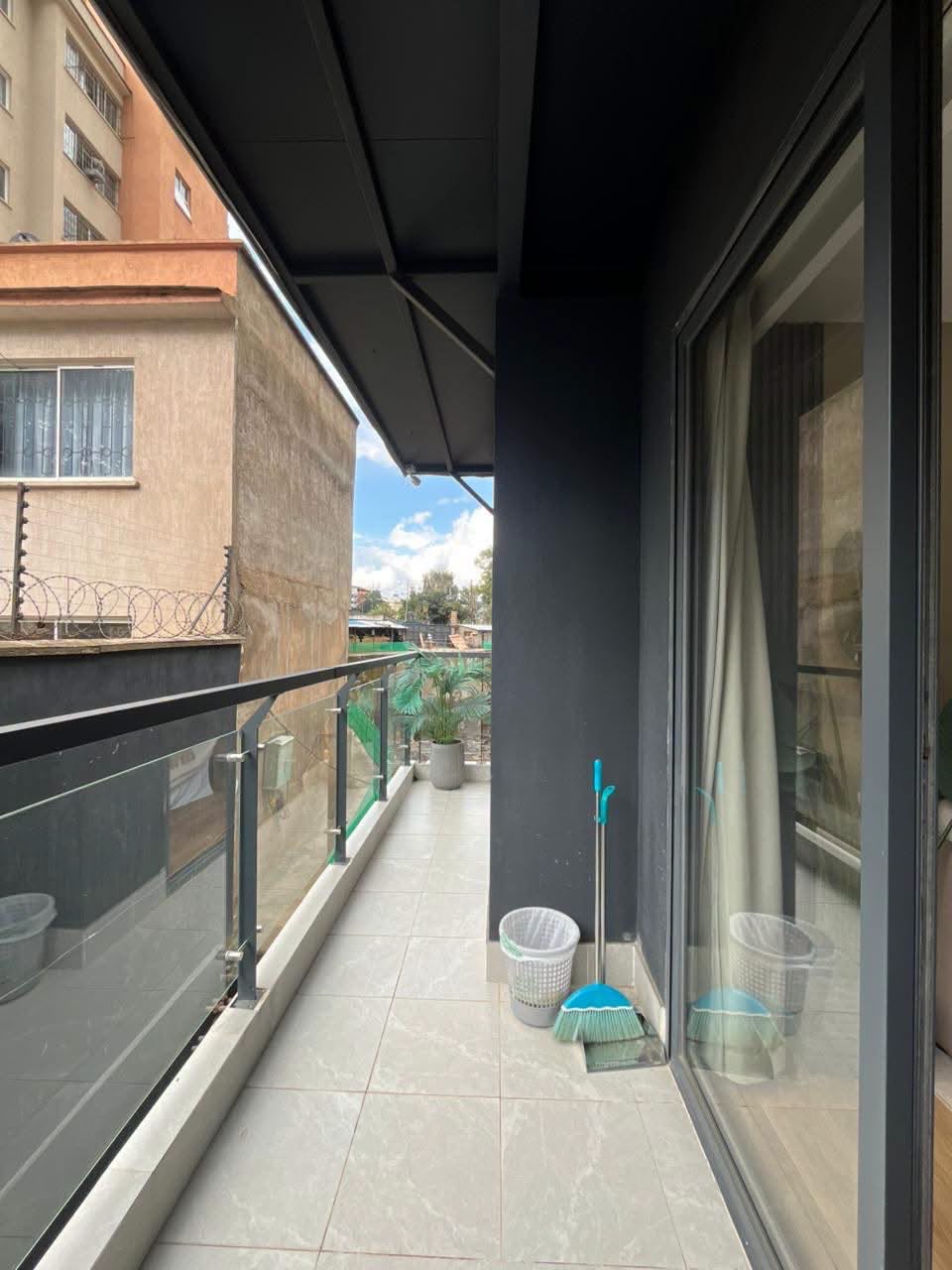
Introduction: Why Lavington Has Become Nairobi’s Most Competitive Family Market
In 2026, one reality is clear across Nairobi’s residential market: families are reshaping demand patterns, and no suburb reflects this shift more clearly than Lavington.
While investors debate yields in Kilimani and developers chase density in Kileleshwa, Lavington has quietly become a premium family stronghold—with buyers willingly paying more per unit, per square metre, and per service charge than in most comparable suburbs.
This is not driven by hype or short-term speculation.
It is driven by scarcity, lifestyle requirements, schooling priorities, and long-term capital safety.
This article breaks down:
-
What is driving family-led housing demand in Lavington in 2026
-
Why buyers are paying a premium—and accepting lower rental yields
-
How Lavington compares to Kilimani, Kileleshwa, Westlands, and Tatu City
-
The real trade-offs families must evaluate before buying
-
Who Lavington works for—and who it does not
This is a market intelligence guide, not a sales pitch.
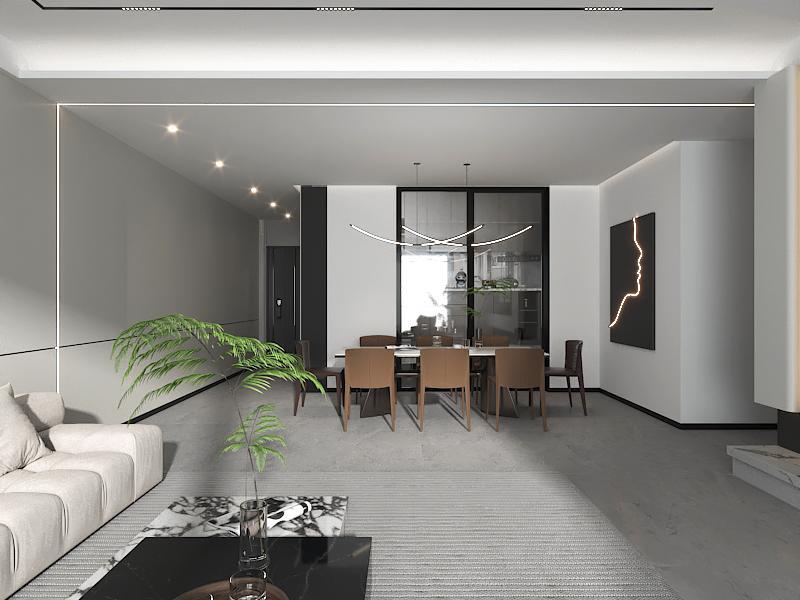
Understanding Nairobi’s 2026 Housing Demand Shift
Over the last five years, Nairobi’s residential market has become increasingly segmented.
Clear demand divergence has emerged:
-
Young professionals → Kilimani, Westlands
-
Yield-focused investors → Select Kilimani pockets, serviced apartments
-
Capital preservers & families → Lavington and gated estates
Families are no longer chasing affordability alone.
They are prioritizing predictability, space, and environment quality.
That demand shift explains why Lavington’s pricing trajectory looks very different from high-density apartment suburbs.
Why Lavington Appeals to Families First—and Investors Second
Lavington was never designed to compete on yield.
Its strength lies elsewhere.
Core family-driven value drivers:
-
Low-rise zoning legacy and gated estates
-
Larger unit sizes (3–5 bedroom townhouses & apartments)
-
Established international and private schools
-
Quieter internal roads and lower pedestrian congestion
-
Reduced exposure to Airbnb-driven instability
In 2026, these features are no longer “nice-to-haves.”
They are non-negotiables for family buyers.
Housing Typologies Dominating Lavington in 2026
Unlike Kilimani or parts of Kileleshwa, Lavington’s demand is not apartment-uniform.
Most sought-after housing types:
-
Gated townhouse communities
-
Low-rise luxury apartments (8–10 units per block)
-
Maisonettes within controlled estates
These typologies inherently:
-
Limit future oversupply
-
Stabilize resale values
-
Attract long-term owner-occupiers
This explains why houses for sale in Lavington Nairobi continue to command premium pricing despite slower transaction volumes.
Why Families Are Willing to Pay More in Lavington
1. School-Centric Decision Making
In 2026, school proximity is one of the strongest purchase drivers.
Lavington offers access to:
-
International schools
-
British and IB curriculum institutions
-
High-end private Kenyan schools
Families are willing to pay more to:
-
Reduce daily commute stress
-
Avoid cross-town school traffic
-
Anchor long-term living plans
This alone justifies premium pricing for many buyers.
2. Predictable Living Environment
Families value certainty over upside.
Lavington offers:
-
Controlled zoning enforcement
-
Limited high-rise intrusion compared to Kilimani
-
Stable neighborhood character
This predictability protects lifestyle quality and long-term resale value—something speculative markets cannot guarantee.
3. Space as a Lifestyle Requirement, Not a Luxury
In 2026, space is no longer optional.
Post-pandemic realities, remote work, and multi-generational living have made:
-
Larger living rooms
-
Home offices
-
Private gardens
-
Staff quarters
core requirements.
This explains why luxury homes for sale in Lavington Nairobi outperform smaller high-density units elsewhere.
Pricing Reality: What the Premium Actually Looks Like
Families are paying more—but not irrationally.
Typical pricing dynamics:
-
Higher price per unit, not necessarily per square foot
-
Premium attached to estate quality, not finishes alone
-
Faster appreciation in gated communities than standalone units
Compared to affordable homes in Kilimani Nairobi, Lavington properties cost more upfront—but depreciate less during market slowdowns.
Rental Yields vs Capital Preservation: The Lavington Trade-Off
This is where many investors misread Lavington.
Rental yield reality:
-
Lower gross yields than Kilimani
-
Longer tenant retention
-
Fewer vacancy shocks
Lavington is not designed for:
-
Short-term rental arbitrage
-
Airbnb-heavy strategies
Instead, it excels in capital preservation and rental stability.
That is why experienced investors treat Lavington as a portfolio stabilizer, not a growth accelerator.
Comparing Lavington to Other Key Nairobi Suburbs
Lavington vs Kilimani
-
Kilimani offers higher rental yields
-
Lavington offers lower density and better family livability
-
Kilimani faces oversupply risk; Lavington faces scarcity
Lavington vs Kileleshwa
-
Kileleshwa is in a densification phase
-
Lavington is in a preservation phase
-
Families prefer Lavington’s estate-style living
Lavington vs Westlands
-
Westlands targets corporate tenants and young professionals
-
Lavington targets long-term family occupancy
-
Westlands pricing is driven by proximity to offices; Lavington by lifestyle quality
Lavington vs Tatu City
-
Tatu City offers master-planned future growth
-
Lavington offers established urban convenience
-
Families choosing Lavington value immediacy over future promise
Diaspora and Expat Influence on Lavington Demand
Diaspora buyers play a significant role in 2026.
Why diaspora families favor Lavington:
-
Familiar estate-style living
-
International school access
-
Reliable infrastructure
-
Strong resale market
For many diaspora buyers researching how to buy property in Kenya, Lavington represents a safe, understandable entry point into Nairobi real estate.
Infrastructure and Daily Living Realities
Lavington’s premium is also tied to livability fundamentals:
Key infrastructure advantages:
-
Better water reliability in gated estates
-
Backup power systems
-
Walkable internal neighborhoods
-
Reduced commercial intrusion
These factors reduce daily friction—an invisible but powerful value driver for families.
Risks Families Must Still Evaluate
Premium markets carry their own risks.
Key considerations:
-
High service charges in gated communities
-
Limited liquidity for ultra-high-end homes
-
Strict estate covenants restricting renovations or rentals
Families must understand ownership models clearly, especially in Lavington gated communities.
Legal and Ownership Structures in Lavington
Unlike apartment-heavy suburbs, Lavington uses mixed ownership models.
Common structures:
-
Freehold townhouses
-
Shareholding-based estates
-
Sectional title apartments
Understanding these models is critical to long-term security and resale flexibility.
Long-Term Outlook: Will Lavington’s Premium Hold?
In 2026, Lavington’s outlook remains stable.
Why?
-
Limited land availability
-
Continued family-led demand
-
Resistance to speculative overdevelopment
This positions Lavington as one of Nairobi’s most resilient residential zones.
Who Lavington Is Best Suited For
Ideal buyers:
-
Families with school-age children
-
Diaspora buyers planning long-term occupancy
-
Investors prioritizing capital safety
Not ideal for:
-
Yield-maximizing investors
-
Short-term speculators
-
Buyers seeking entry-level pricing
Final Insight: Families Are Redefining “Value” in Nairobi
In 2026, value is no longer just about price.
For families, value means:
-
Peace
-
Space
-
Predictability
-
Long-term security
Lavington delivers these better than almost any other Nairobi suburb—and families are willing to pay for it.
If you are evaluating family-oriented property in Lavington and want a clear, location-specific advisory perspective, speak directly with Ochieng Wycliffe for informed guidance.
📞 0713595863 | 0722506632